
Badenoch Pledges to Scrap Inheritance Tax on Family Homes
The Conservative leader used her conference keynote to promise the abolition of inheritance tax on family homes and a £1m tax-free allowance for couples, while vowing to cut welfare spending and reject calls to unite the right.
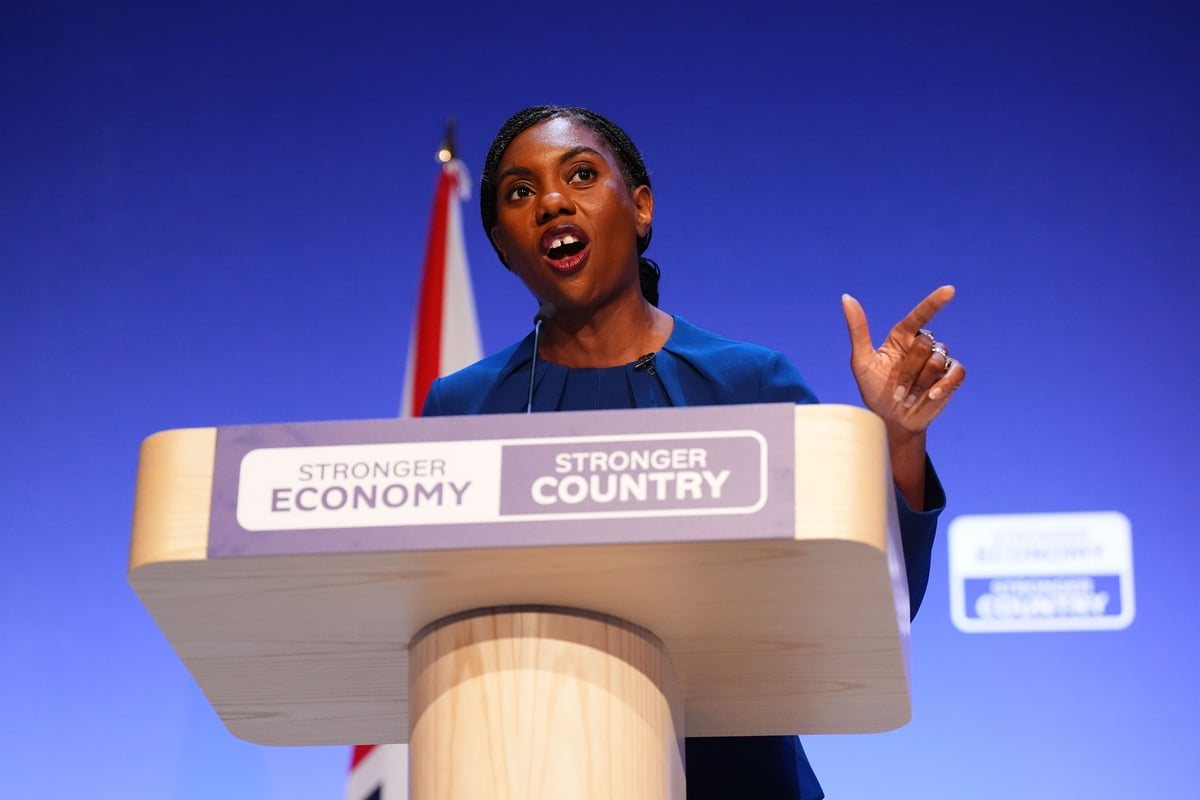
Kemi Badenoch has pledged that the Conservatives would abolish inheritance tax on family homes if the party returns to power, using her conference keynote to set out an economic pitch aimed at shoring up the party's traditional base in southern England.
The Tory leader said couples would be able to pass on an additional tax-free sum of £1 million to their families, framing the move as part of a wider commitment to letting people «keep more of what they earn». The announcement drew immediate criticism that the party is prioritising tax cuts for wealthier voters, with opponents arguing the measure would chiefly benefit households in the Conservative heartlands of the South East.
Badenoch also used the speech to commit to cutting welfare spending, presenting the economy as the central battleground on which the next election will be fought. She rejected calls from within her own party's wider electoral coalition to «unite the right», signalling that she intends to compete for votes on the Conservatives' own terms rather than through a pact with rival parties.
The conference in Birmingham unfolded against a difficult electoral backdrop. The Conservatives suffered a heavy defeat at the last general election and have been trailing in opinion polls, though surveys suggest Badenoch's personal ratings, while not spectacular, are outperforming the wider Tory brand. That gap has allowed the party to present a relatively united front in Birmingham, with a leadership that might otherwise be vulnerable to internal challenge receiving public backing from its MPs.
Badenoch's strategic focus on the economy reflects an expectation among her team that the political weather will turn against the government as fiscal pressures mount. She has pointed to the prospect of a painful budget later this month, followed by a spending review that will force difficult trade-offs on a prime minister with a reputation for deferring hard choices. The Conservative leader expects the political honeymoon currently enjoyed by Andy Burnham to come to an end as those decisions land.
The inheritance tax pledge is designed to appeal to affluent middle-class voters who have historically formed the backbone of Conservative support in the south of England. Under the current system, inheritance tax is charged at 40 per cent on estates above a threshold that already includes allowances for passing on a main residence to direct descendants. The Conservative proposal would go further by removing the charge on family homes altogether and raising the additional tax-free sum couples can leave to their families to £1 million.
Critics argue that the policy would widen the gap between wealthy homeowners and the rest of the country at a time when public services are under strain, and that it does little to address the cost-of-living pressures facing lower-income households. Supporters counter that the tax is unfair because it can force families to sell homes they have lived in for decades in order to meet a bill, and that the money would be better left in the hands of those who earned it.
The welfare spending commitment is likely to prove equally contentious. Details of where the cuts would fall have not been set out, but the direction of travel places the Conservatives on a collision course with opponents who argue that reducing support risks pushing vulnerable people further into hardship. Badenoch's team presents the move as part of a broader effort to shrink the state and redirect resources towards growth.
Whether the package can reverse the party's fortunes remains an open question. The Conservatives need to recover ground across a wide range of seats, not only in their southern strongholds, and the leadership's decision to reject a united-right strategy means the party will fight the next election on its own. For now, Badenoch has given her party a clear economic dividing line and a tax offer aimed squarely at homeowners — a platform she believes can carry the Conservatives back to power.
4