
Badenoch Pledges to Keep Pension Triple Lock as Labour Faces £38,000 Retirement Cost Warning
Conservative leader Kemi Badenoch has committed to retaining the pension triple lock, while fresh analysis suggests Labour's reported plans to scrap it could leave some workers £38,000 worse off in retirement.
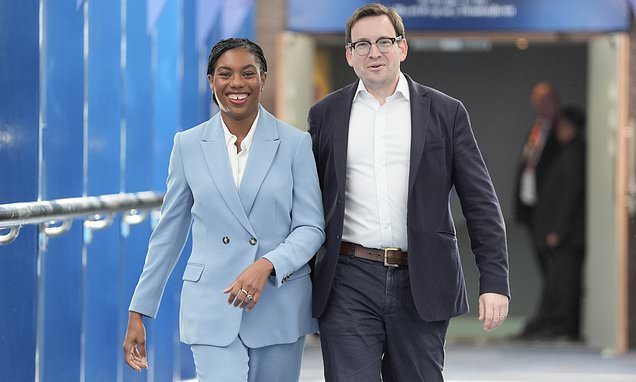
Kemi Badenoch has vowed that the Conservatives will keep the pension triple lock, drawing a clear dividing line with Labour over the future of retirement income. The commitment from the Tory leader comes as new analysis warns that Labour's reported plans to ditch the guarantee could cost some workers as much as £38,000 over the course of their retirement.
The triple lock is a longstanding mechanism that guarantees the state pension rises each year by the highest of three measures: average earnings growth, inflation as measured by the Consumer Prices Index, or 2.5 per cent. It has been a central feature of UK pension policy for over a decade, but its long-term affordability has repeatedly come under scrutiny from economists and fiscal watchdogs.
Badenoch's intervention places the triple lock at the heart of the political battle over the cost of living and the future of public spending. By pledging to protect it, she is seeking to position the Conservatives as the party of pensioner security, a key electoral demographic that turns out reliably at the ballot box.
The analysis cited in the debate suggests that abandoning the triple lock could have a substantial cumulative impact on retirement incomes. For some workers, the shortfall could reach £38,000 when measured across the full span of retirement, a figure that is likely to intensify public concern about the adequacy of state support in later life.
Pressure is also mounting on Labour figures, including Greater Manchester Mayor Andy Burnham, to clarify their position. Burnham has faced calls to U-turn on any suggestion that the party might drop the commitment, reflecting the sensitivity of the issue within Labour's own electoral coalition.
The debate over the triple lock sits within a wider fiscal context. The state pension is one of the largest single items of government spending, and its cost rises automatically with the triple lock formula. As the population ages and the ratio of workers to retirees shifts, the sustainability of the policy has become a recurring theme in budget discussions and long-term economic forecasts.
For pensioners and those approaching retirement, the political uncertainty carries direct financial implications. The triple lock has been credited with protecting the value of the state pension against inflation and earnings growth, but critics argue it creates intergenerational unfairness by directing resources toward older people at the expense of other public services.
Badenoch's pledge is likely to be a defining feature of the next general election campaign. With both main parties under pressure to set out how they would fund public services and support households, the triple lock has become a proxy for broader arguments about taxation, borrowing, and the size of the state.
The Conservative leader's commitment also serves to sharpen the choice for voters. By framing the issue as a test of which party can be trusted with pensioner incomes, Badenoch is seeking to reclaim ground on an issue that has traditionally resonated with older voters.
Labour has yet to set out a definitive position on the triple lock's future. The party has previously said it remains committed to supporting pensioners, but the new analysis and the pressure on figures such as Burnham suggest the issue will remain a source of internal debate and external attack.
As the political parties prepare for the next electoral contest, the triple lock is set to remain a central battleground. The £38,000 figure attached to the analysis gives the debate a concrete number that both sides will likely use to argue their case, ensuring that pension policy stays near the top of the political agenda.
4