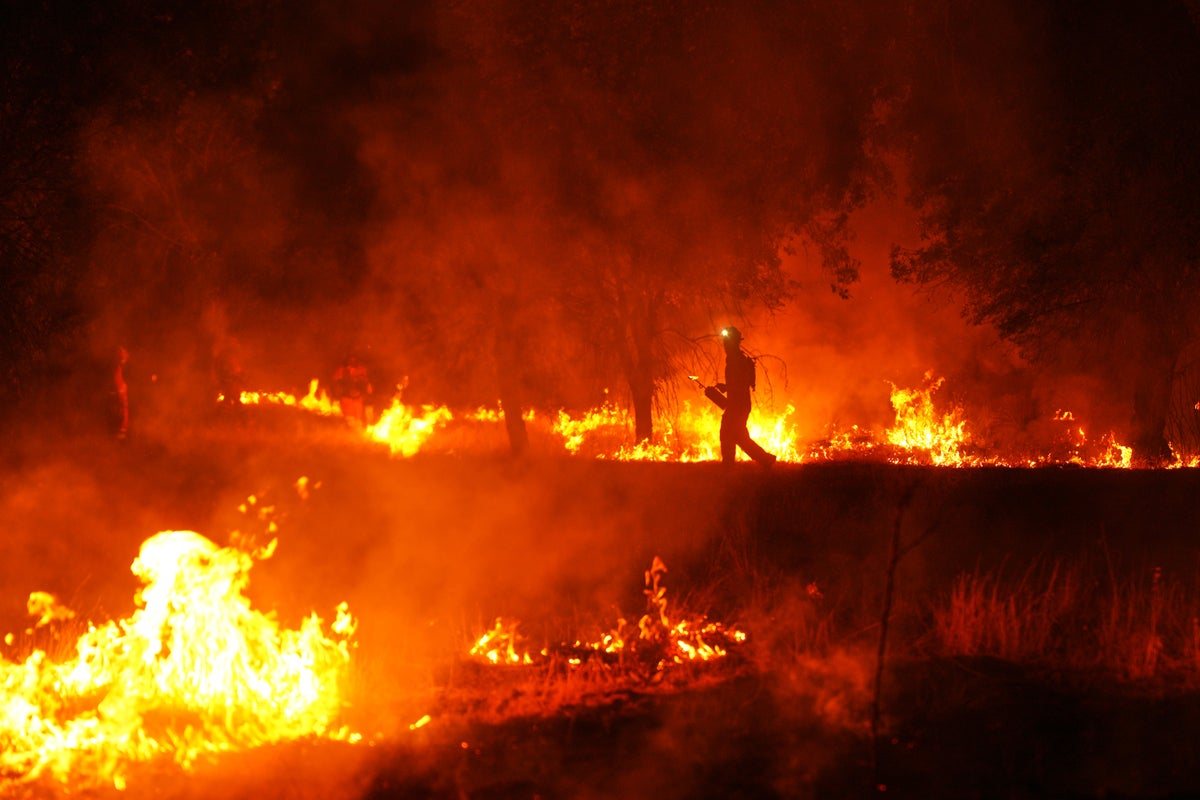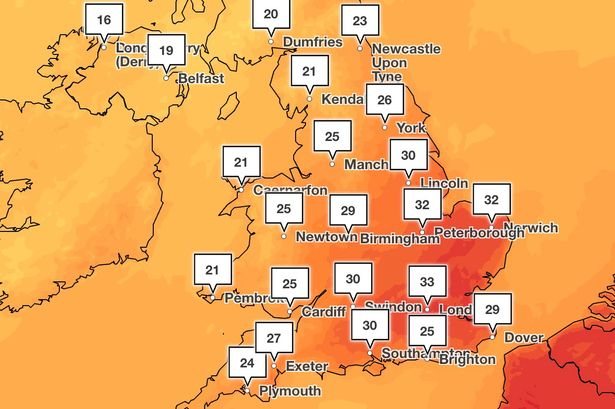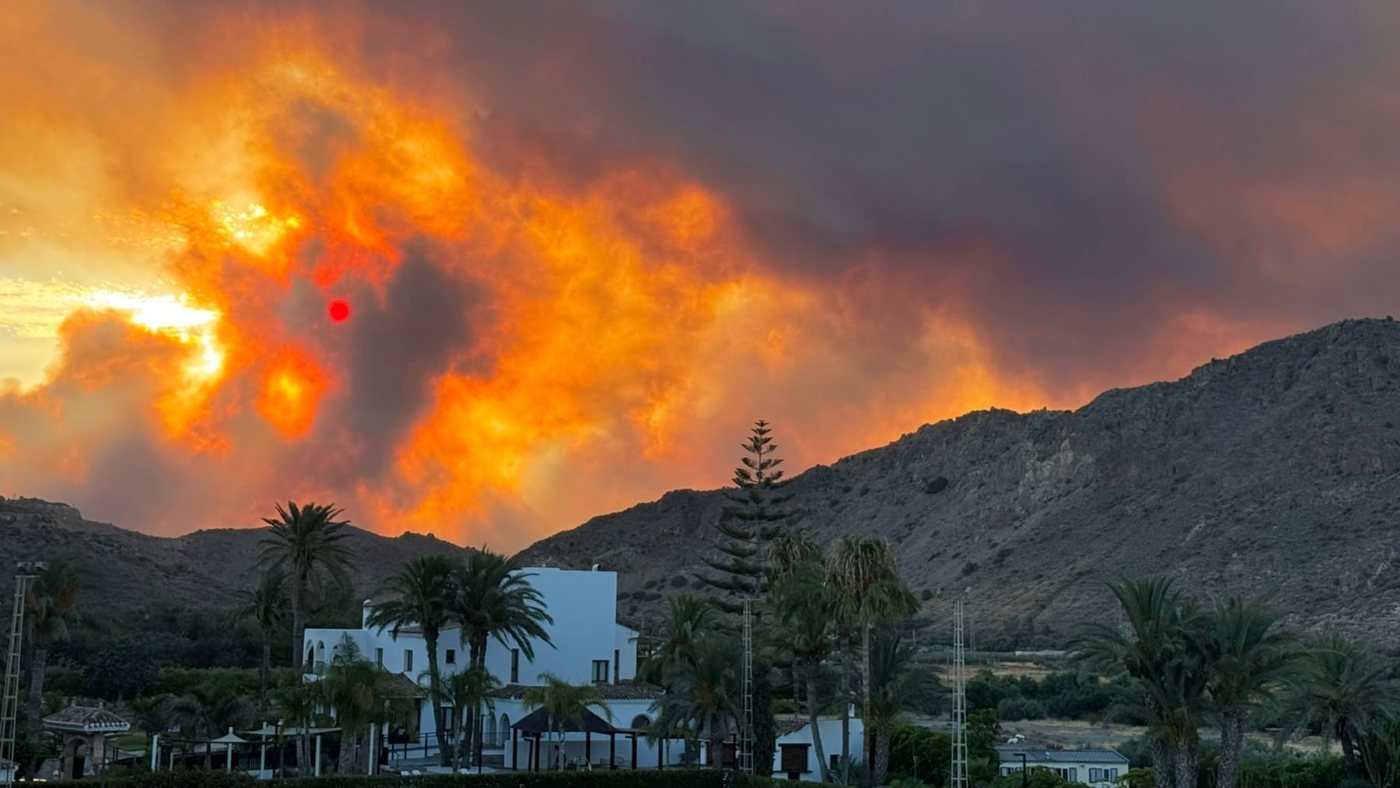
A devastating wildfire in the municipality of Los Gallardos, in the province of Almería, has claimed the lives of 12 people, left 23 others unaccounted for, and forced the evacuation of more than 1,400 residents, authorities reported on Saturday. The fire, which began during a severe heatwave with temperatures reaching 41 degrees Celsius and strong winds, has rapidly spread across the region, becoming the deadliest forest fire in Spain this century.
The blaze has already consumed approximately 4,000 hectares of land, with multiple active fronts that continue to challenge firefighting efforts. The flames have affected the towns of Los Gallardos, Bédar, and other nearby settlements, prompting preventive evacuations and the confinement of some municipalities due to heavy smoke. The fire's progression has been exacerbated by the difficult terrain and persistent wind conditions, making containment operations particularly hazardous.
According to the regional government of Andalusia, the death toll has not increased despite extensive searches of homes in the area. However, the number of missing persons remains a major concern. Of the 23 individuals not yet located, seven have been formally reported as missing by their families. The bodies of the 12 victims were found in the municipality of Bédar, and autopsies have been performed by the Institute of Legal Medicine. Due to the condition of the remains, it has not been possible to determine the sex, age, or origin of the victims, but preliminary investigations suggest that most were foreign nationals, primarily British and Belgian. Four of the victims were traveling in a right-hand-drive vehicle, attempting to flee the flames via an alternative route not recommended by emergency services. In a separate incident, a group of ten people was found, of whom two were rescued alive—one of them Spanish—while the other eight perished. This group had abandoned their vehicles and tried to escape on foot through a ravine, but they ended up in a dead-end area. Walking sticks found near the site indicate they were attempting to cross the rugged terrain.
Eight people have been injured in the fire, four of them critically. The most severely injured were initially treated at the Hospital Universitario Torrecárdenas before being transferred by helicopter to a specialized burn unit in Madrid. The fire has also caused significant disruption to transportation, with the A-7 motorway, the N-340A road, and the AL-6109 highway closed to traffic. Authorities are urging people to avoid all non-essential travel in the region.
More than 500 emergency personnel are currently deployed to combat the fire, including members of the INFOCA plan, firefighters, the Civil Guard, and the Military Emergency Unit (UME). Aerial resources, which were grounded overnight, began to rejoin the fight on Saturday morning, with eight aircraft gradually being activated. A total of 32 aircraft were involved in the operation on Friday. The fire's evolution overnight was described as favorable, but officials caution that the situation remains extremely serious.
The investigation into the cause of the fire is ongoing, but initial findings suggest it may have been sparked by the fall of a high-voltage power line near a road. The blaze started during a heatwave, with temperatures near 41 degrees Celsius and strong winds, conditions that allowed the fire to spread rapidly and turn into one of the largest forest emergencies of the summer in Spain. The Andalusian government has declared three days of mourning in the region.
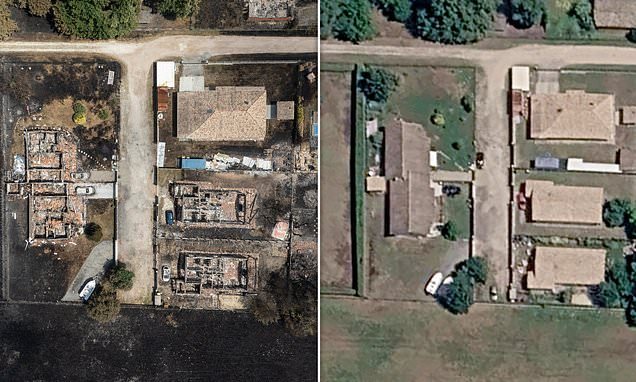
As the fire continues to burn, the priority for emergency services remains the search for missing persons and the care of evacuated residents. The authorities have set up shelters and are providing assistance to those displaced. The full extent of the damage will not be known until the fire is fully contained, but early estimates indicate that dozens of homes and vast areas of forest have been destroyed. The fire in Los Gallardos has already surpassed the severity of other major wildfires in recent Spanish history, underscoring the growing threat of extreme weather events linked to climate change.