Spain may have officially emerged from its second heatwave of the summer, but health experts are warning that the risk posed by extreme temperatures is far from over. Preliminary estimates indicate that the six-day heatwave, which ended on Thursday 9 July, was linked to 463 deaths, making it deadlier than the country’s first heatwave in late June. While temperatures are expected to ease slightly over the weekend, authorities remain on alert as the summer season continues to bring prolonged periods of intense heat.
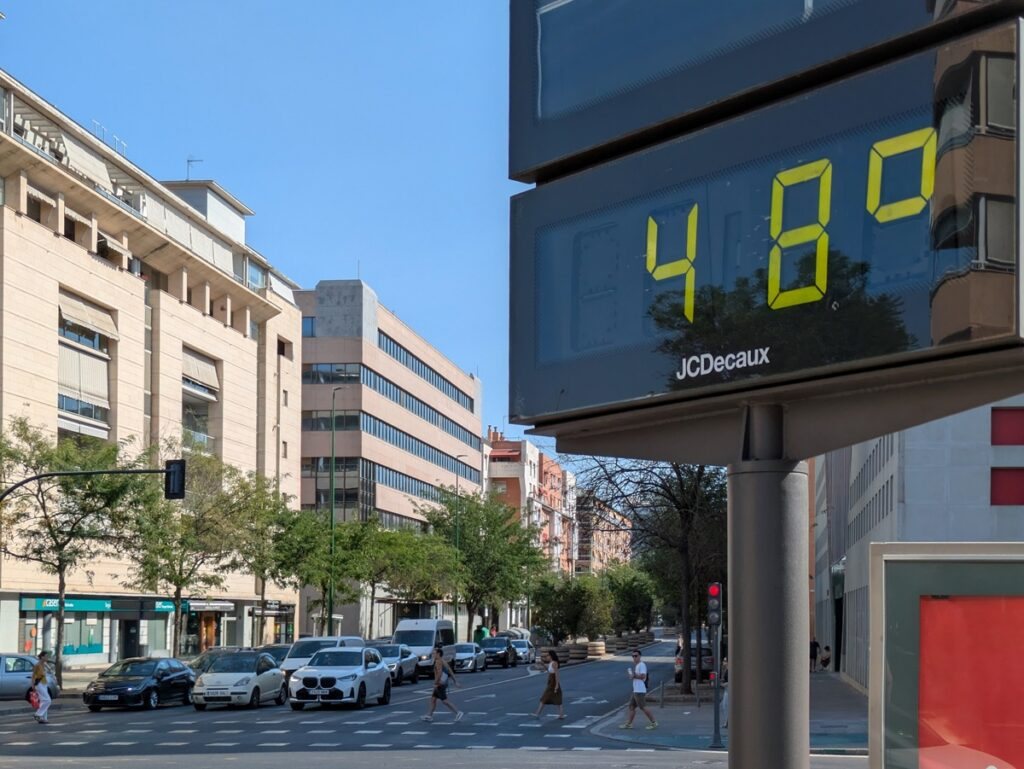
The latest heatwave, which began in early July, affected large parts of the Iberian Peninsula, with temperatures soaring above 40 degrees Celsius in several regions. The death toll, based on preliminary data from Spain’s daily mortality monitoring system, highlights the severe public health impact of such extreme weather events. The figure exceeds the number of deaths attributed to the June heatwave, which saw temperatures spike but over a shorter duration and with slightly lower peak readings in some areas.
Health officials have emphasized that the elderly, individuals with pre-existing medical conditions, and those living in urban areas without adequate cooling are most vulnerable during these episodes. The Spanish Ministry of Health has repeatedly urged the public to stay hydrated, avoid outdoor activities during peak heat hours, and check on at-risk neighbors and relatives. Despite these warnings, the cumulative effect of successive heatwaves appears to have overwhelmed some communities, particularly in southern and central Spain.
Meteorological experts note that the frequency and intensity of heatwaves in Spain have increased in recent years, a trend linked to broader climate patterns. The Spanish State Meteorological Agency (AEMET) has recorded a rise in the number of tropical nights — when temperatures do not drop below 20 degrees Celsius — and an extension of the summer heat period into early autumn. These changes place additional strain on healthcare systems and infrastructure, including energy grids that face higher demand for air conditioning.
The impact of the July heatwave has been felt across multiple sectors. Agriculture has suffered, with crops such as olives, grapes, and citrus fruits experiencing heat stress, potentially affecting yields and quality. Water reserves, already low after a dry spring, have come under further pressure, prompting some municipalities to impose restrictions on non-essential water use. Emergency services have reported an increase in calls related to heat exhaustion and dehydration, while hospitals have seen a rise in admissions for heat-related illnesses.
In response to the growing threat, regional governments have activated heat prevention plans, which include opening cooling centers, extending public pool hours, and distributing information on heat safety. Some cities have also implemented measures to reduce the urban heat island effect, such as planting more trees and installing reflective surfaces on buildings. However, experts argue that long-term adaptation strategies are needed to address the underlying risks posed by a warming climate.
The 463 deaths linked to the July heatwave represent a significant public health concern, though officials caution that the final toll may be adjusted as more data becomes available. The figure is based on excess mortality calculations, which compare the number of deaths during the heatwave period to the average for the same time of year. This method, while widely used, can be influenced by other factors such as seasonal illnesses. Nevertheless, the preliminary data underscores the deadly potential of extreme heat.
As Spain moves through the remainder of the summer, health authorities are preparing for the possibility of additional heatwaves. The AEMET has indicated that long-range forecasts suggest above-average temperatures are likely to persist into August. This outlook has prompted calls for enhanced public awareness campaigns and better coordination between health services and meteorological agencies to issue timely warnings.
The situation in Spain mirrors trends seen across southern Europe, where heatwaves have become more frequent and severe. Countries such as Italy, Greece, and Portugal have also reported heat-related fatalities this summer, prompting the European Union to review its heat health action plans. The World Health Organization has identified heat stress as a growing health emergency, urging governments to invest in early warning systems and urban planning measures that reduce exposure to extreme temperatures.
For now, Spanish residents are advised to remain vigilant even as temperatures moderate. The danger, experts warn, is not confined to the peak of a heatwave but extends to the days that follow, when accumulated heat stress can still trigger health complications. With the summer far from over, the message from health officials is clear: the threat of extreme heat remains, and preparedness is key to saving lives.