
Rachel Jupp appointed director of BBC News
The BBC has appointed former Panorama editor Rachel Jupp as its new director of news and current affairs, filling a vacancy left by Deborah Turness, who resigned in November last year amid claims of BBC bias.
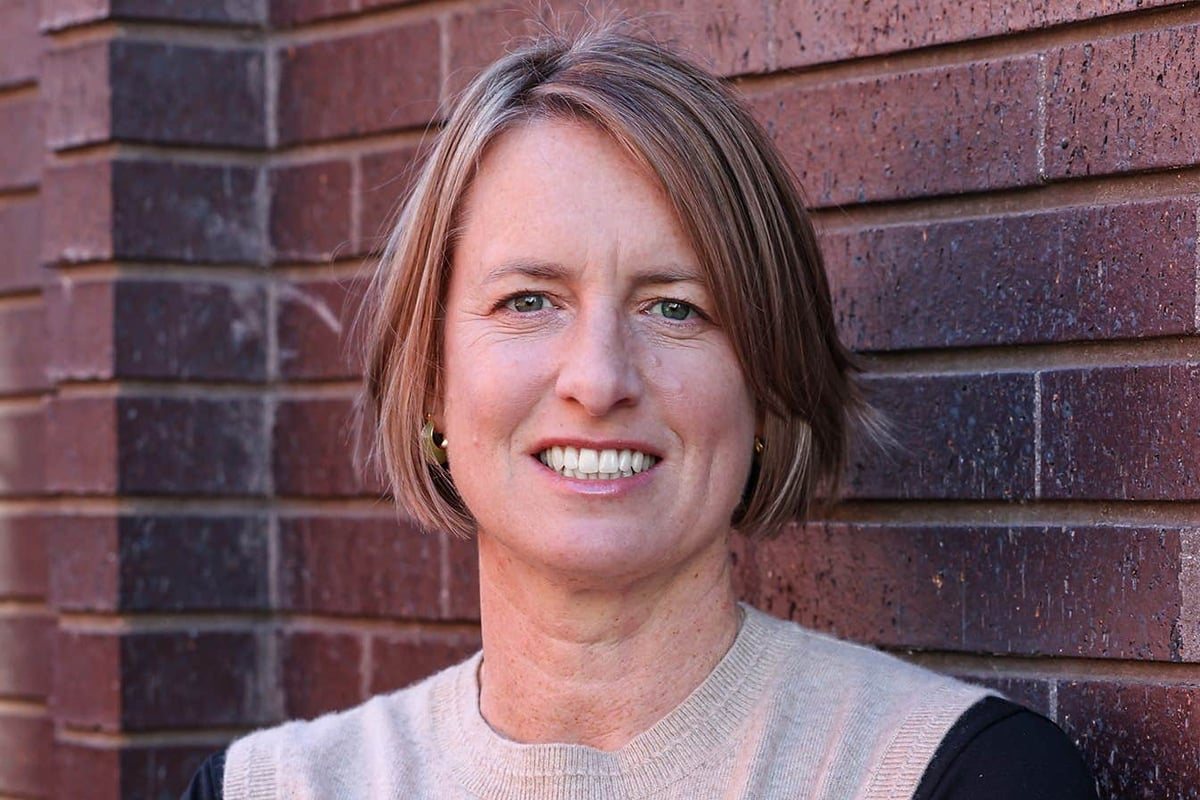
The BBC has appointed Rachel Jupp, a former editor of Panorama, as its new director of news and current affairs. The move fills a senior vacancy that had been open since Deborah Turness stood down as chief executive of BBC News in November last year, following the fallout from claims of bias at the corporation.
Jupp, who has a reputation as one of the BBC's most trusted troubleshooters, will take up the role almost immediately. Her appointment follows internal frustration at the length of time it took to replace Turness, who resigned after a period of sustained criticism over the impartiality of the broadcaster's news coverage.
The decision to bring in Jupp is seen as an attempt to steady BBC News as it confronts wider concerns about a crisis in trust in mainstream television news. The corporation has faced repeated accusations of political bias from across the spectrum, and the delay in naming a permanent successor to Turness had added to the sense of drift inside the news division.
Jupp's background at Panorama, the BBC's flagship current affairs strand, is likely to be central to her new brief. The programme has a long tradition of investigative journalism and has often been at the centre of controversies over the boundaries between reporting, editorial judgement and political pressure. Her experience there is expected to inform her approach to leading the news operation at a time when audience trust and editorial standards are under intense scrutiny.
The appointment comes after Turness's departure in November last year, which followed claims of BBC bias that had dominated discussion of the corporation's output. Turness had been chief executive of BBC News, a role that carries responsibility for the broadcaster's domestic and international news services. Her resignation left a gap at the top of the division that has now been filled by Jupp.
BBC News operates across television, radio and digital platforms, and its editorial decisions are closely watched by politicians, regulators and rival media organisations. The director of news and current affairs is responsible for setting the strategic direction of the division and for upholding the BBC's editorial values, including impartiality and accuracy. Those values have been the subject of heated debate in recent years, with critics arguing that the corporation has failed to meet its own standards.
Jupp's appointment is therefore likely to be judged on how effectively she addresses questions of trust and whether she can restore confidence in the BBC's news output. The internal frustrations over the delay in replacing Turness suggest that staff are keen for clear leadership and a sense of direction. By choosing an experienced internal figure with a track record in investigative journalism, the BBC appears to be signalling continuity rather than a radical break with its past.
The wider context is a challenging one for mainstream broadcasters. Audiences are fragmenting, digital platforms are reshaping how news is consumed, and accusations of bias can quickly become political battlegrounds. For the BBC, which is funded by the licence fee and holds a special place in British public life, the stakes are particularly high. Jupp will need to navigate these pressures while maintaining the corporation's commitment to independent journalism.
Her appointment takes effect almost immediately, ending a period of uncertainty at the top of BBC News. The focus will now shift to how she shapes the division's editorial priorities and whether her leadership can calm the internal and external criticism that has surrounded the broadcaster's news coverage.
3