
Officials warn holidaymakers as cyclospora outbreak spreads to UK
UK health officials have warned holidaymakers after a sharp rise in cyclospora infections linked to travel to Mexico. The parasite causes cyclosporiasis, with symptoms including «explosive diarrhoea» that are nasty but not life-threatening.
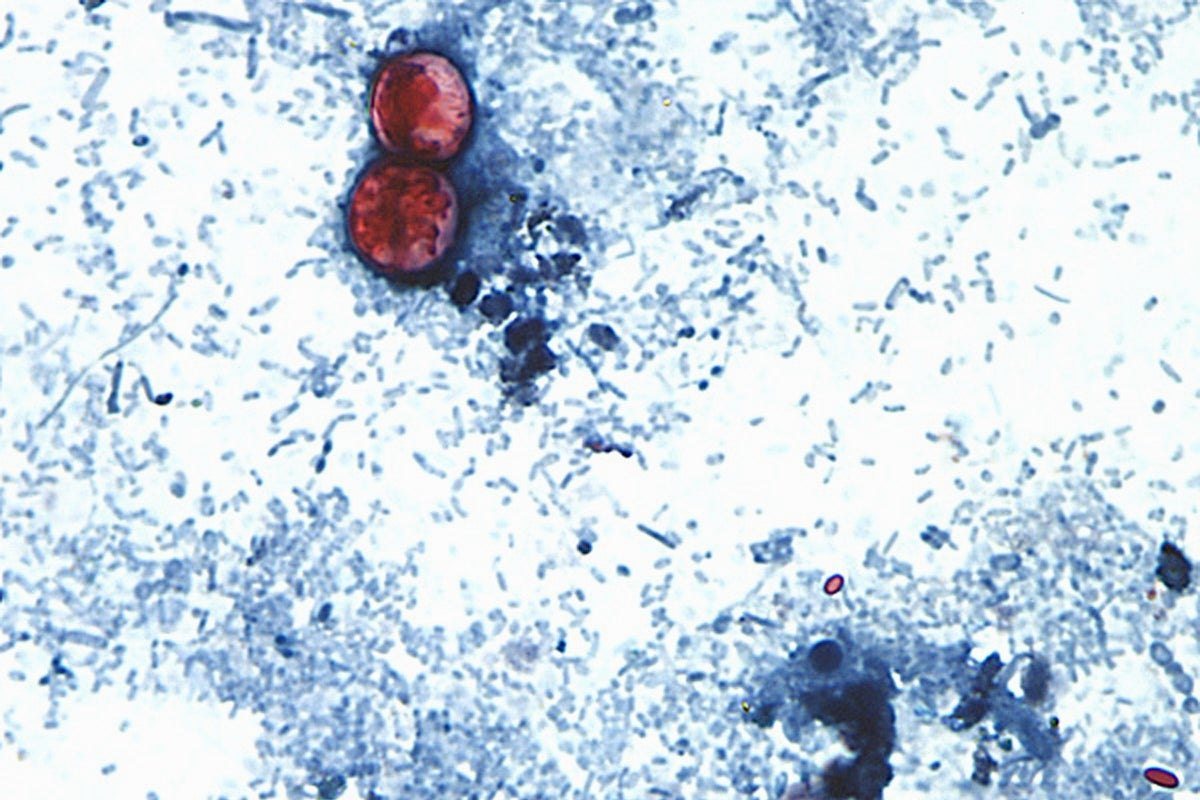
UK health officials have issued a holiday warning after a sharp rise in cyclospora infections linked to travel to Mexico, as the diarrhoea-causing parasite continues to spread among British travellers. The outbreak has prompted renewed concern over cyclosporiasis, an intestinal infection caused by the microscopic parasite Cyclospora cayetanensis.
Public health authorities have reported a notable increase in cases among people returning from Mexico, according to official guidance. The illness is described as nasty but non-life-threatening, with those affected experiencing symptoms such as «explosive diarrhoea». While rarely dangerous, the infection can be highly uncomfortable and can disrupt travel plans and daily life for weeks.
The parasite is usually contracted through contaminated food or water. Fresh produce that has come into contact with unsafe water is a common route of infection, which is why holidaymakers are being urged to take extra care with what they eat and drink while abroad. The current rise in infections has been linked specifically to travel to Mexico, where the parasite is more commonly found in the environment.
Travellers are being advised to wash their hands regularly, avoid food that may have been prepared in unhygienic conditions, and be cautious with tap water and ice. Anyone who develops symptoms after returning from an affected region is encouraged to seek medical advice and to mention their recent travel history, as this can help doctors identify the infection more quickly and avoid unnecessary delays in treatment.
The timing of the warning is significant, coming at the height of the summer holiday season, when large numbers of British travellers are heading to Mexico and other destinations in the region. Health officials have highlighted the sharp rise in infections in an effort to prevent further cases and to ensure that those who fall ill receive the right care promptly.
Cyclospora has been a recurring concern for public health authorities, with previous outbreaks in the UK and elsewhere linked to imported fresh produce. The parasite causes an infection that can take several days to manifest after exposure, meaning some travellers may only develop symptoms after they have already returned home. This delay can make it harder for people to connect their illness to their holiday, and for doctors to diagnose the cause.
Although the infection can be extremely unpleasant, officials stress that it is not generally life-threatening. The illness is treatable once diagnosed, and most people are expected to make a full recovery. However, without appropriate treatment, symptoms can persist for some time, making it important for affected travellers to contact a healthcare professional rather than simply waiting for the infection to pass.
The warning is the latest in a series of public health alerts aimed at protecting holidaymakers. Officials say the key message for travellers is straightforward: be aware of the symptoms, take sensible precautions with food and water, and seek medical help if you feel unwell after returning from a trip abroad. With the summer season in full swing, the advice is especially relevant for anyone planning a holiday to Mexico or other affected areas in the coming weeks.