Mexico's Migration Crackdown Strengthens AMLO's Leverage With Washington
As Mexico intensifies its enforcement against migrant caravans, President Andrés Manuel López Obrador gains increased diplomatic influence with the Biden administration, which is struggling to manage the surge at the U.S. southern border.
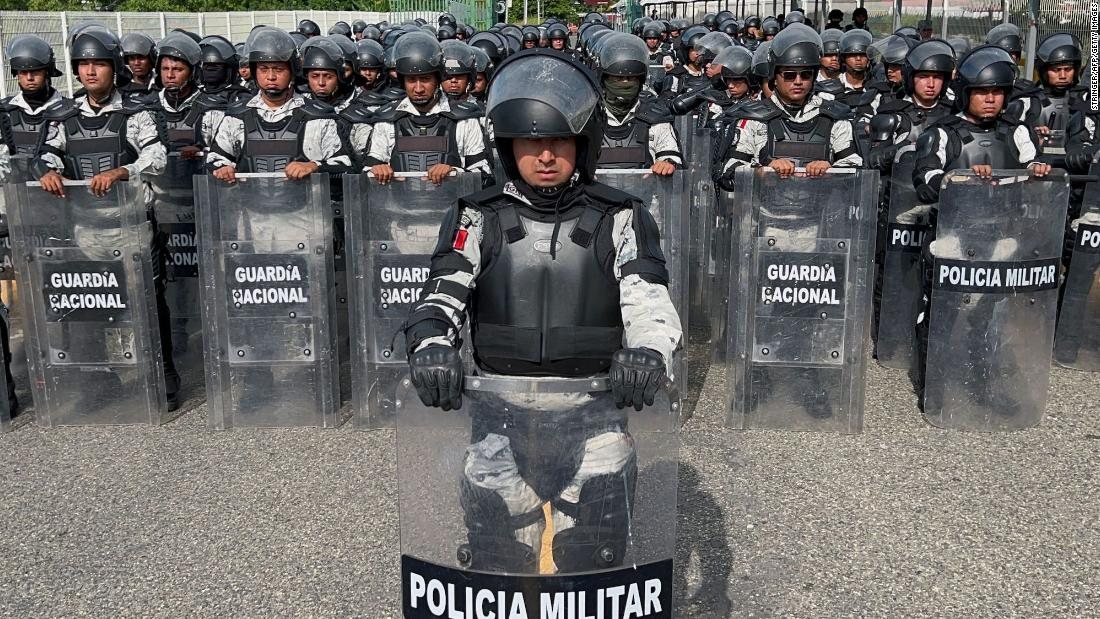
Last month, as the Biden administration scrambled to manage the latest wave of migrants overwhelming the U.S. southern border, top U.S. immigration authorities crossed into Mexico for an emergency meeting. The visit underscored a growing dynamic: Mexico’s President Andrés Manuel López Obrador, often criticized for his domestic policies, has found a powerful bargaining chip in migration enforcement. By cracking down on migrant flows through Mexico, his government has gained significant leverage with Washington, which is desperate to reduce border crossings ahead of the 2024 election cycle.
The meeting, which included senior U.S. Customs and Border Protection officials and Mexican immigration authorities, came amid a sharp increase in migrant arrivals at the U.S.-Mexico border. In September, U.S. border patrol agents encountered more than 260,000 migrants, a record high for that month. The surge has strained resources, fueled political attacks on the Biden administration, and prompted calls for tougher enforcement. Mexico’s cooperation has become essential to managing the flow, as many migrants travel through Mexican territory before reaching the U.S. border.
Mexico’s crackdown has taken several forms. The country has deployed thousands of National Guard troops to its northern and southern borders, set up checkpoints on major migration routes, and increased deportations of migrants from Central America, Venezuela, and other nations. In the first eight months of 2023, Mexico detained more than 1.2 million migrants, a 50 percent increase over the same period in 2022. These efforts have disrupted migrant caravans and slowed the pace of arrivals at the U.S. border, but they have also drawn criticism from human rights groups, who accuse Mexico of militarizing migration and failing to protect vulnerable people.
For López Obrador, the crackdown serves multiple purposes. Domestically, it allows him to project strength on a issue that resonates with many Mexicans, who are concerned about the strain migration places on public services and border communities. Internationally, it gives him a direct line to the White House. The Biden administration has repeatedly praised Mexico’s cooperation, and López Obrador has used that goodwill to press for concessions on other issues, including trade, development aid, and U.S. investment in Central America. In recent months, Mexico has secured commitments from the United States to increase funding for economic development programs in southern Mexico and Central America, as well as to expedite visas for Mexican workers.
The leverage is not one-sided. The United States remains Mexico’s largest trading partner, and the two countries share deep economic and security ties. However, the migration crisis has shifted the balance somewhat. Washington needs Mexico’s help to manage the border, and López Obrador has shown he is willing to use that need to advance his own agenda. Analysts say the dynamic is likely to intensify as the 2024 U.S. presidential election approaches, with both parties seeking to demonstrate toughness on immigration.
Critics argue that Mexico’s crackdown is a short-term fix that fails to address the root causes of migration, such as violence, poverty, and political instability in Central America. They also warn that the militarized approach could lead to abuses, including the separation of families and the detention of asylum seekers. The Mexican government has defended its actions, saying it is enforcing its own laws and protecting the rights of migrants, but human rights organizations have documented cases of migrants being detained in overcrowded facilities and denied access to legal counsel.
The situation is further complicated by the fact that many migrants are fleeing countries that Mexico has limited ability to influence, such as Venezuela, Haiti, and Cuba. These migrants often travel through Mexico in large groups, overwhelming local resources and testing the government’s capacity to respond. In response, Mexico has stepped up airlifts and bus transfers to return migrants to their home countries, but the pace of arrivals continues to outstrip deportations.
Despite these challenges, López Obrador has managed to turn a crisis into an opportunity. By positioning Mexico as an indispensable partner in border security, he has gained a seat at the table in Washington’s immigration debates. Whether that leverage will translate into lasting policy changes remains to be seen, but for now, the Mexican president has shown that migration enforcement can be a powerful diplomatic tool.