
Massive water cuts imposed on three Colorado River states as rates continue to plunge
Federal officials have imposed sweeping water cuts on Arizona, Nevada, and California as Colorado River reservoir levels continue to fall, following the worst snowpack on record last winter.
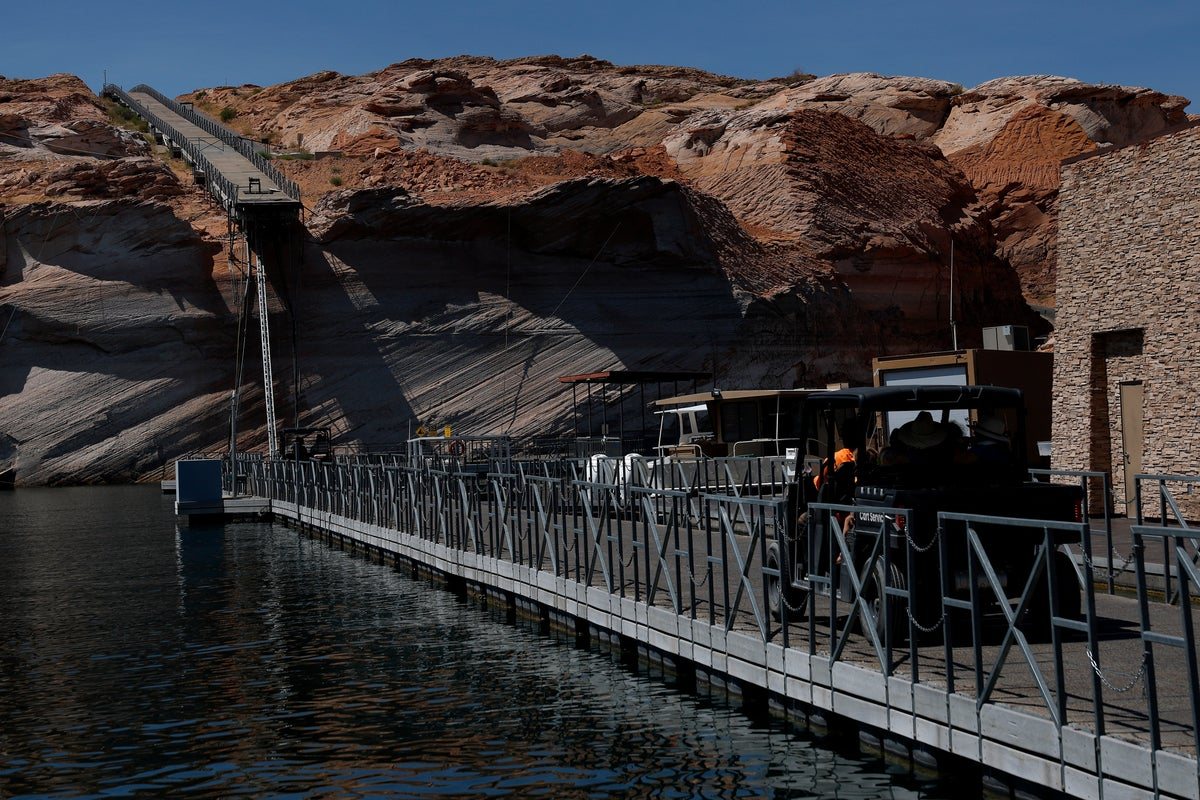
Federal authorities have imposed sweeping water cuts on three states that depend on the Colorado River, as reservoir levels continue to plunge following the worst snowpack on record last winter. The restrictions affect Arizona, Nevada, and California, which draw heavily from the river system that supplies water to tens of millions of people across the American Southwest.
The decision marks one of the most significant water-supply reductions in the region's modern history and reflects the accelerating strain on a river already over-allocated after decades of drought. The cuts are designed to slow the decline of Lake Mead and Lake Powell, the two largest reservoirs in the United States, both of which have fallen to historically low levels in recent years.
Agriculture is expected to bear the brunt of the reductions. Farmers in Arizona and California, who rely on the river to irrigate millions of acres of crops, face the prospect of fallowed fields and reduced planting. The cuts also heighten pressure on commercial industries that depend on reliable water deliveries, including food processing, logistics, and manufacturing operations located throughout the basin.
Ecological habitats along the river corridor are also at risk. Lower flows threaten native fish species, wetlands, and riparian zones that have already been degraded by years of reduced water availability. Environmental groups have repeatedly warned that without sustained reductions in consumption, the river's ecosystems could reach a point of irreversible damage.
Hydroelectric producers are another major stakeholder affected by the cuts. Lake Powell's Glen Canyon Dam and Lake Mead's Hoover Dam generate electricity for millions of customers across the Southwest. As reservoir elevations drop, the dams' generating capacity declines, raising the possibility of reduced power output and higher electricity costs for consumers in the region.
The record-low snowpack last winter was a critical factor in the decision. Snowmelt from the Rocky Mountains feeds the Colorado River and its tributaries, and the basin's snowpack was the worst ever measured. That shortfall means less water entering the system this year, compounding the effects of a prolonged drought that scientists have linked to climate change.
Officials have described the cuts as necessary but painful, and further restrictions may be required if conditions do not improve. The river supplies water to roughly 40 million people, including major cities such as Los Angeles, Phoenix, Las Vegas, and Denver, as well as vast agricultural regions that produce a significant share of the nation's winter vegetables and other crops.
The three states have been negotiating for months over how to share the burden of reduced supplies. The new federal action effectively imposes a solution, though disputes over long-term allocation rules are expected to continue. Tribal nations, which hold senior water rights in some parts of the basin, are also closely watching the outcome of the negotiations.
The cuts represent a turning point for the Colorado River, which has been called the most endangered river in the United States. For decades, the river's water was overallocated under legal agreements signed when flows were far higher. Now, with climate change reducing snowpack and increasing evaporation, the gap between supply and demand is widening, forcing hard choices among the states that rely on the river.
48