
Bedford Crash Survivors Demand New Safety System as Report Reveals Driver Accelerated After Red Signal Warning
Survivors of the Bedford rail collision are calling for a new safety system on the line after investigators found the driver who died accelerated after passing a red signal, with more than 160 passengers injured.
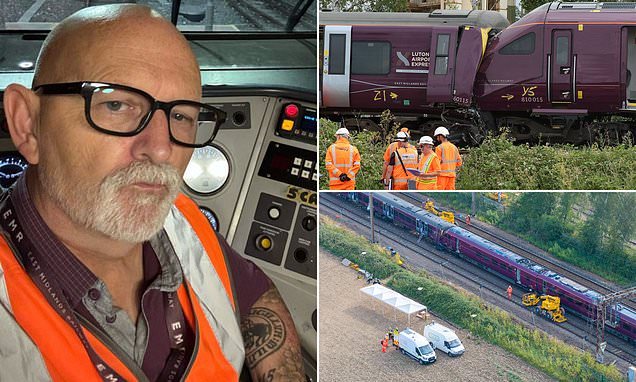
Survivors of the Bedford rail crash are demanding the introduction of a new safety system on the line after an official investigation revealed that the driver who died in the collision accelerated after passing a red warning signal. The findings have intensified scrutiny of rail safety measures on the route, which carries services between London St Pancras and the East Midlands.
The driver of the East Midlands train received an automatic warning after passing a danger signal that is rarely ever red, according to rail investigators. He acknowledged the alert but did not appear to act on it, and the train continued to accelerate. The collision occurred when the train ran into the back of another London-bound service near Bedford in June. The driver was killed, more than 160 passengers were injured, and 102 people were taken to hospital. The train's brake was applied only about ten seconds before the impact.
The crash has prompted survivors to press for the installation of a more advanced safety system on the affected line. They argue that such technology could have prevented the collision or reduced its severity. The investigation's findings have added weight to their calls, as they suggest that the existing warning system did not prevent the train from gaining speed after the red signal was passed.
Details of the official report indicate that the driver passed a signal that is seldom displayed in its red aspect. The automatic warning system alerted him to the infringement, and he acknowledged it, but the train's acceleration continued. The report does not explain why the driver did not respond further, and the investigation is ongoing. The brake application came only in the final seconds before the rear-end collision.
The East Midlands train was one of two London-bound services involved in the incident near Bedford. The other train was also travelling towards the capital. The force of the impact caused significant injuries among passengers, with more than 100 requiring hospital treatment. The driver, who was the sole fatality, has not been publicly named in the immediate aftermath of the report's release.
Survivors have described the aftermath of the crash and their subsequent efforts to campaign for improved safety. They are calling for a system that can automatically intervene when a train passes a danger signal, rather than relying solely on driver response to warnings. The line between Bedford and London St Pancras is a key commuter and intercity route, and any safety changes would affect thousands of passengers.
Rail investigators have not yet published their full conclusions, but the preliminary findings have already raised questions about the effectiveness of the current warning and protection systems on this section of track. The signal that was passed is described as one that is rarely red, which may have made the warning more unexpected for the driver. The investigation continues to examine the sequence of events and the train's data recorders.
The call for a new safety system echoes broader debates about rail modernisation in the UK. Survivors and their representatives say that the Bedford crash demonstrates the need for faster deployment of automatic protection technology. The official report's revelation that the train sped up after the red signal warning has become a central point in their campaign.
No date has been set for the publication of the final investigation report. In the meantime, survivors are expected to continue pressing for safety improvements on the line. The crash remains one of the most serious rail incidents in recent years, with a death toll of one and a large number of injuries that have left lasting physical and psychological effects on passengers.
5