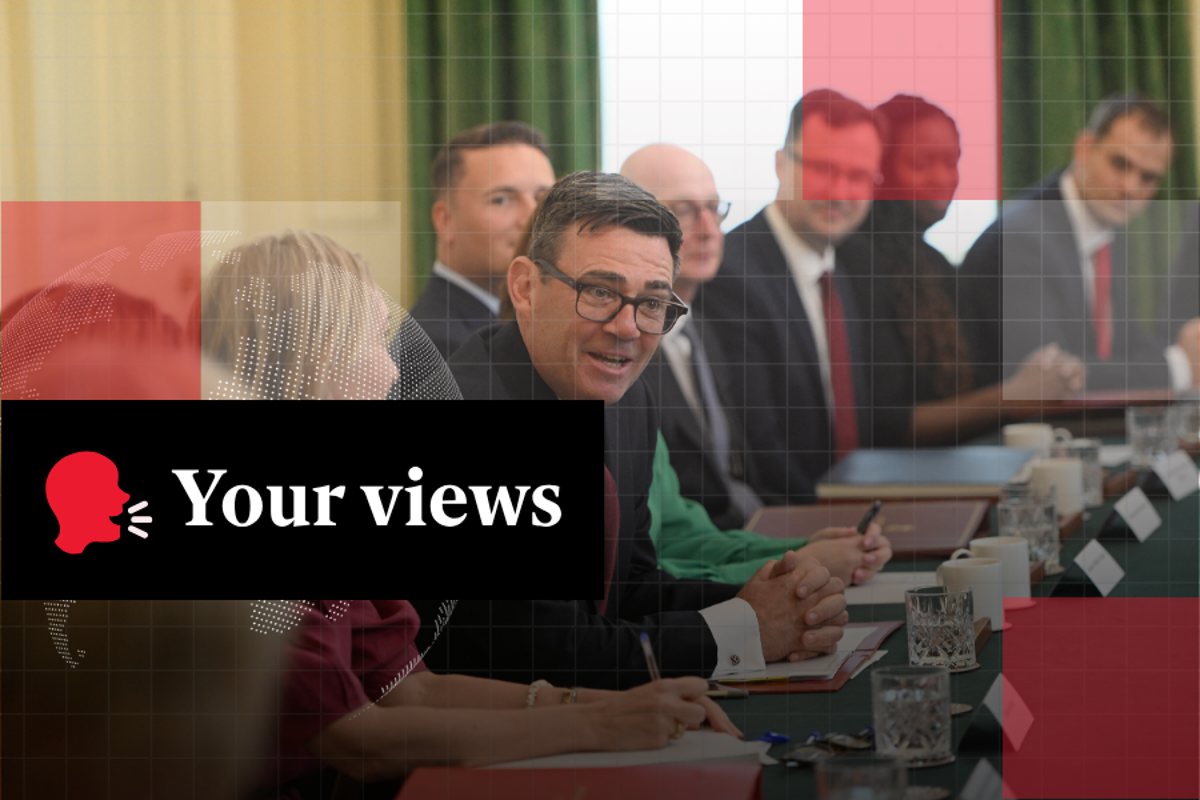
Andy Burnham has named his first cabinet as prime minister, appointing a team dominated by Northern MPs and replacing several allies of his predecessor Keir Starmer. The reshuffle, completed over a whirlwind two days, includes eye-catching appointments such as John Healey as chancellor and Ed Miliband in a senior role, but has drawn a mixed reaction from the public and political commentators alike.
Readers responding to the announcement have expressed disappointment, with many describing the new cabinet as «same gang, different seats». The sentiment reflects a broader scepticism about whether the changes will lead to meaningful policy shifts or simply recycle familiar political figures in new roles. Critics argue that while Burnham has brought in fresh faces from the North, the underlying political dynamics remain unchanged.
The new prime minister faces immediate pressure to explain how he will fund his policy pledges, particularly the removal of VAT from electricity bills and an expected uplift in defence spending. John Healey, the new chancellor, resigned as defence secretary under Starmer last month over the defence spending issue, highlighting the tensions within the Labour Party. Burnham has urged his cabinet to examine «all possible ways» to tackle the cost of living crisis, which he has described as the central focus of his government.
The cabinet appointments mark a significant shift in regional representation, with several key roles going to MPs from the North of England. This has led to the new administration being dubbed «Mancminster» by some observers, reflecting the concentration of power in Greater Manchester and surrounding areas. Burnham, who served as mayor of Greater Manchester before becoming prime minister, has long advocated for greater devolution and investment in the North.
However, questions remain about the affordability of Burnham's ambitious agenda. The cost of living crisis, which has seen energy bills and inflation soar, will require substantial government intervention. Critics, including opposition parties and some economists, have warned that removing VAT from electricity bills could cost billions and may not be the most effective way to help those in need. Defence spending increases, meanwhile, are likely to require cuts elsewhere or higher borrowing.
Burnham's whirlwind start has also included calls with world leaders and a flurry of announcements, signalling his intention to hit the ground running. The new prime minister has emphasised his commitment to a «cost of living government», but the lack of detailed funding plans has left many observers sceptical. The cabinet's first meetings are expected to focus on immediate measures to alleviate financial pressures on households, as well as longer-term reforms to the energy market and public services.
The reaction from readers and political analysts suggests that Burnham faces an uphill battle to convince the public that his government represents a genuine break from the past. While the appointments have brought new faces to the forefront, the underlying challenges of governing a divided country and managing a strained economy remain daunting. Whether the new cabinet can deliver on its promises will depend on its ability to navigate these obstacles and maintain public trust.