
Andy Burnham becomes Prime Minister with packed in-tray of challenges
Andy Burnham has become Prime Minister after meeting King Charles, facing urgent issues from tax policy to international relations with the US.
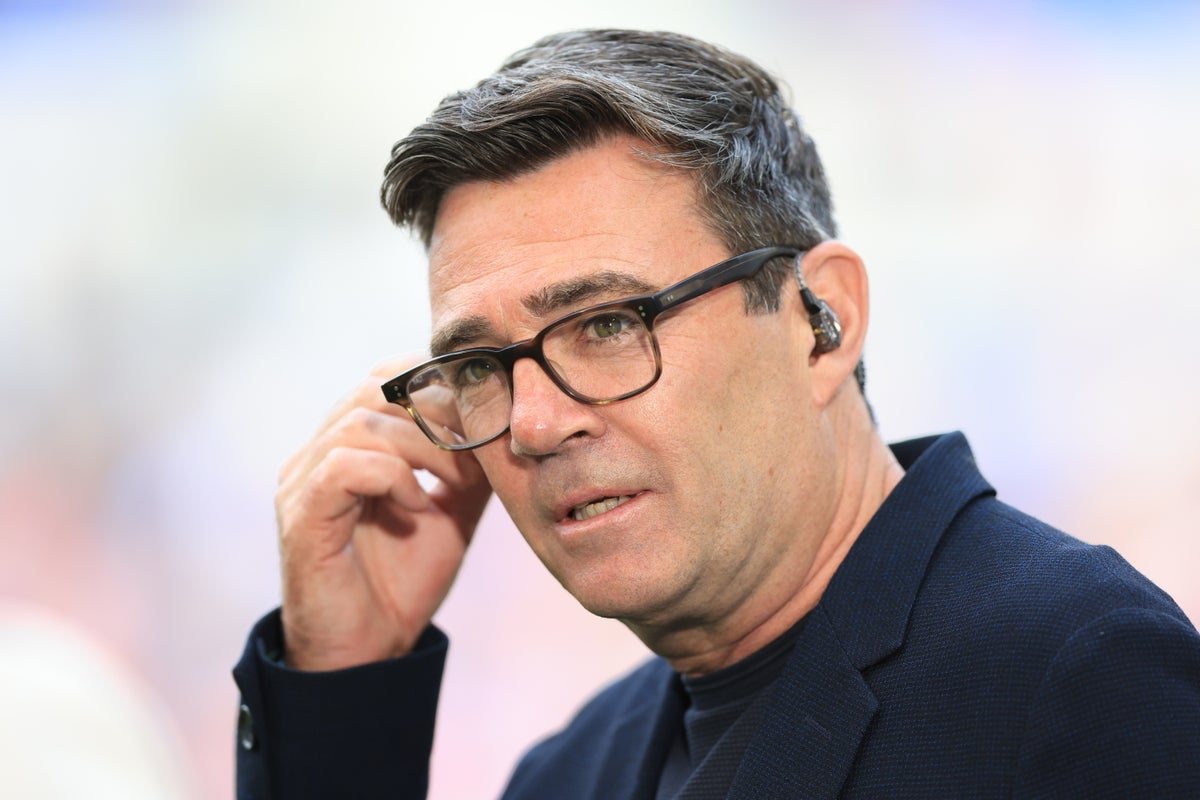
Andy Burnham has officially taken office as Prime Minister following a meeting with King Charles on Monday, inheriting a formidable array of pressing domestic and international challenges that will define the early months of his premiership.
The Makerfield MP delivered his first speech outside Downing Street, declaring that his government would «bring back hope» to the country. The address marked the formal beginning of a tenure that begins with an unusually crowded in-tray, spanning economic policy, public services, and foreign affairs.
Among the most immediate issues facing the new Prime Minister is the state of the UK economy. Tax policy is expected to be a central battleground, with business groups and opposition parties closely watching for any signals about changes to corporation tax, income tax thresholds, or VAT. The government's fiscal headroom remains tight, limiting the scope for major spending commitments without corresponding revenue-raising measures.
Public service reform is another urgent priority. The National Health Service continues to grapple with record waiting lists and winter pressures, while schools and local authorities face funding constraints. Burnham's previous experience as Health Secretary under Gordon Brown gives him direct familiarity with the complexities of healthcare policy, but expectations for rapid improvement are high.
On the international stage, the relationship with the United States presents both opportunity and risk. The return of Donald Trump to the White House has reshaped the diplomatic landscape, and the new Prime Minister must navigate trade negotiations, security cooperation, and differences over climate policy. The UK's post-Brexit trading relationship with the European Union also requires careful management, with ongoing disputes over Northern Ireland arrangements and regulatory alignment.
Housing and regional development are likely to feature prominently in the government's agenda. Burnham has long advocated for greater devolution of powers to city regions, and his own record as Mayor of Greater Manchester provides a template for the kind of locally-led regeneration he may seek to replicate nationally. The challenge of building more homes while protecting green belt land remains politically sensitive.
Climate change policy is another area where the new administration must strike a balance. The UK has legally binding net-zero targets, but the cost of the transition for households and businesses has become a contentious political issue. Decisions on carbon pricing, renewable energy subsidies, and heat pump mandates will test the government's commitment to environmental goals against concerns about affordability.
Immigration and border control continue to be high-profile concerns. The Rwanda deportation scheme, small boat crossings in the English Channel, and the wider asylum system all demand attention. The new Prime Minister will need to decide whether to maintain, modify, or replace existing policies while managing diplomatic relations with France and other European partners.
The composition of the Cabinet and the broader ministerial team will be closely scrutinised in the coming days. Burnham's appointments will signal his priorities and the balance of power within the governing party. Key roles such as Chancellor of the Exchequer, Foreign Secretary, and Home Secretary will be filled by figures expected to drive the government's legislative programme.
Buckingham Palace confirmed that the King had formally appointed Burnham as Prime Minister, completing the constitutional process. The new premier's first full day in office will involve briefings from senior civil servants, intelligence chiefs, and military commanders, as well as the first of what will become regular audiences with the monarch.
Political opponents have already begun to set out their lines of attack. The Conservative Party is positioning itself as the guardian of fiscal responsibility, while the Liberal Democrats are focusing on civil liberties and electoral reform. Smaller parties in Scotland, Wales, and Northern Ireland will press their own demands, particularly around further devolution and constitutional reform.
Public opinion remains divided. A recent poll asked whether Burnham would govern in the interests of the UK as a whole, reflecting the regional and political fractures that have characterised British politics in recent years. The new Prime Minister's ability to unite the country while making difficult decisions will be the ultimate test of his leadership.
For now, the focus is on the early signals: the tone of government communications, the first policy announcements, and the handling of any unforeseen crises. Burnham's experience in high-profile ministerial roles and as a directly elected mayor gives him a rare breadth of executive experience, but the scale of the challenges ahead means that the coming weeks will be among the most consequential of his political career.