UK retail sales rise in October as shoppers stock up at supermarkets
Supermarkets drove a rebound in UK retail sales in October, as shoppers bought tins and UHT milk, according to the Office for National Statistics.
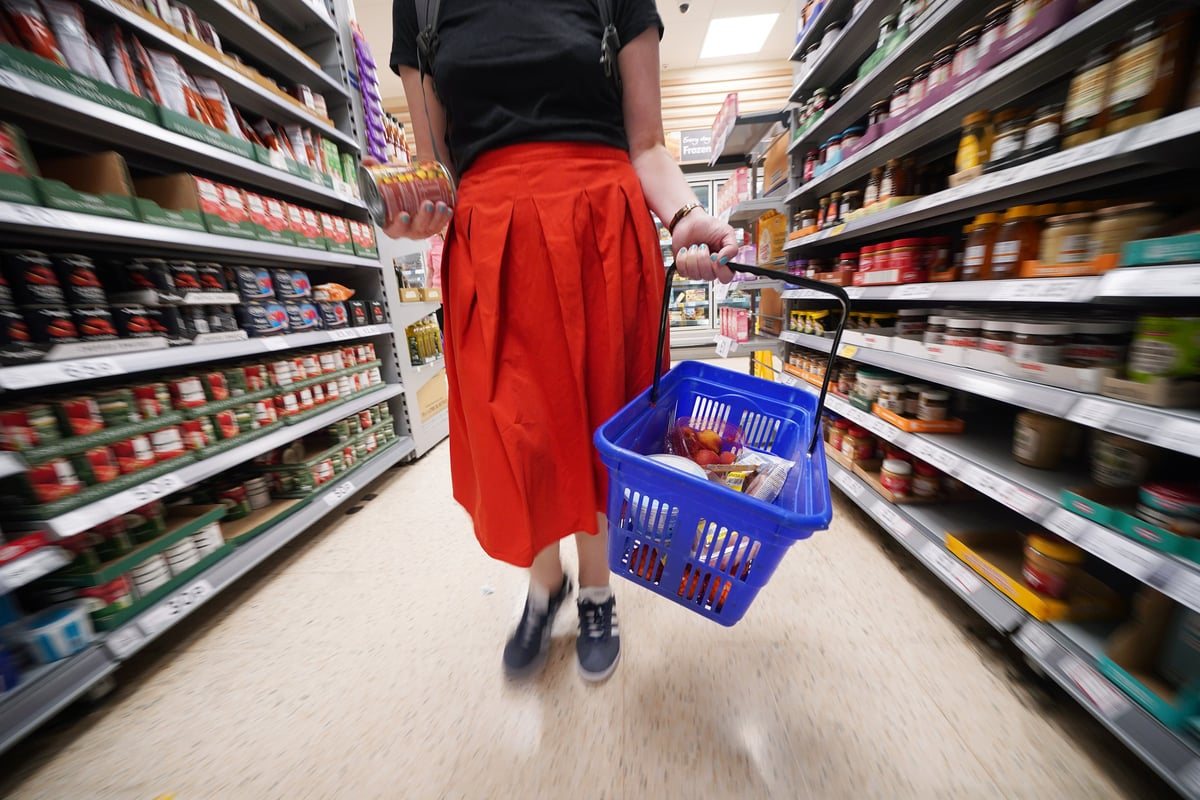
UK retail sales volumes rose by 0.7% in October, according to the Office for National Statistics, with supermarkets leading the recovery. The increase points to a notable shift in household spending as shoppers filled their cupboards with staple goods such as tinned food and long-life UHT milk.
The ONS figures measure the volume of goods sold by retailers, stripping out price changes, so the 0.7% rise reflects more goods changing hands rather than simply higher prices on shelves. Supermarkets were the main driver of the gain, while demand for everyday essentials that keep well appeared to carry much of the weight in the month. The source material available for this story does not provide a breakdown of sales by other retail sectors, so the wider picture beyond food and grocery remains unclear from the figures reported.
Buying of long-life products like tins and UHT milk is typically associated with households preparing for uncertainty, since such items can be stored for months without spoiling. Their strong performance suggests that many shoppers chose to build up stocks rather than buy only for the week ahead, a pattern that can lift short-term sales figures even when underlying consumer confidence remains fragile. Stockpiling of this kind tends to produce a sharp but temporary lift, because households that have filled their cupboards are less likely to return to the shops soon afterwards.
For the wider economy, a rebound in retail volumes is an encouraging sign after periods of weak spending, because consumer demand accounts for a large share of economic activity in Britain. Yet the composition of the rise matters. A jump driven by stockpiling of essentials may not translate into broader gains across clothing, electronics or discretionary goods, where households have often been more cautious. Retailers outside the grocery sector will be watching whether the October strength spreads to their own categories in the months ahead.
Retail data is closely watched by policymakers and the Bank of England, which use it alongside inflation, wages and employment figures to judge the health of the economy. Monthly movements can be volatile, and a single month of growth is not in itself a signal of a sustained recovery. Analysts will be looking at subsequent releases to see whether the rise in supermarket sales is maintained and whether it spreads to other parts of the high street.
The October figures therefore offer a mixed picture: a clear headline gain in retail activity, largely concentrated in supermarkets and in goods that people buy to store. The primary source reports only the headline volume increase and its main driver, so further detail on the scale of stockpiling, the response from retailers or any official commentary from the ONS is not available here. Whether this marks the start of a broader consumer revival or a temporary surge in essentials will become clearer as more data emerges in the coming months.
Source: standard.co.uk
31