
UK inflation climbs to 3.6% in October as petrol prices rise
Consumer price inflation in the UK rose to a 12-month high of 3.6% in October, up from 3.5% in September, driven by higher petrol and diesel prices linked to the conflict in the Middle East.
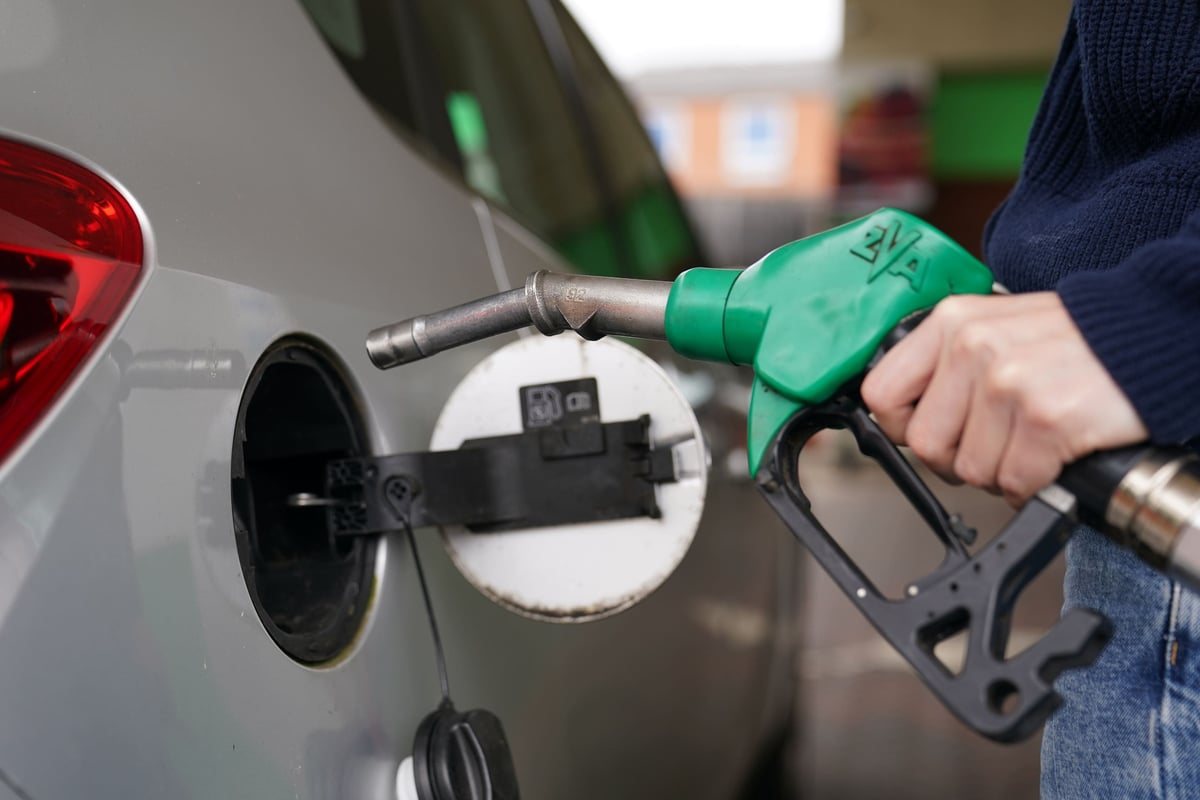
UK consumer price inflation rose to 3.6% in October, up from 3.5% in September, marking a 12-month high. The Office for National Statistics said the increase was driven in part by a further rise in petrol prices, while diesel prices reached a record high amid the fallout from the war in the Middle East.
The figures, published by the Office for National Statistics, measure changes in the consumer prices index, the headline gauge of inflation in the country. The 3.6% reading was in line with the forecasts of City economists, and most forecasters had expected the rate to rise from September's level. The increase followed a period in which the cost of oil climbed after the escalation of hostilities involving Iran, a development that has rattled the global economy and fed through into prices at British forecourts.
The rise adds to the pressure on household budgets at a time when many families are already contending with higher energy bills. Forecasters had pointed to increases in energy bills and a hike in tobacco duty as factors likely to push the headline rate upwards in October. Although overall inflation moved higher, the rise in food bills slowed to a five-year low, offering some relief on the weekly shopping basket even as motorists faced steeper costs at the pump.
The reading places fresh attention on the Bank of England, which tracks inflation closely when setting interest rates. A sustained increase above the level seen in recent months could complicate the outlook for borrowing costs, which affect mortgages, business loans and consumer credit. The rise in the headline rate also means that the 12-month high recorded in October is the highest level seen in a year, a point that underlines how persistent the pressure on prices has become since the start of the Middle East crisis.
For households, the figures translate into a more difficult calculation when planning monthly spending. Fuel is the clearest immediate driver of the latest increase, and the energy-price shock linked to the Middle East conflict continues to feed through into everyday costs for drivers and families across Britain. The Office for National Statistics data gives a precise measure of that pressure, showing that the headline rate has moved up even as some categories of spending have eased.
Source: standard.co.uk
39