Trump is rewiring the system that gives the dollar reserve status
Dimon's warning is about networks as much as economics: the dollar depends on US power, trusted institutions and allied alignment. Trump's fiscal and tariff strategy is changing all three at once.
The dollar's reserve status is a network effect with a state behind it. Central banks hold dollars because other institutions hold dollars; companies invoice in dollars because counterparties can finance and hedge in dollars; investors buy Treasuries because the market is deep, liquid and protected by a political and legal system they expect to endure. Jamie Dimon's latest warning is that the network is not self-sustaining if American power weakens.
Dimon told PBS that the United States should not expect to retain the reserve currency if it is no longer the strongest economy and military power in 25 years. His longer-running argument is even more relevant: America's economic alliances, open markets, rule of law and reputation for reliability are part of the same infrastructure. In his 2025 shareholder letter, he warned that fragmented relations with allies could eventually strip the dollar of its role.
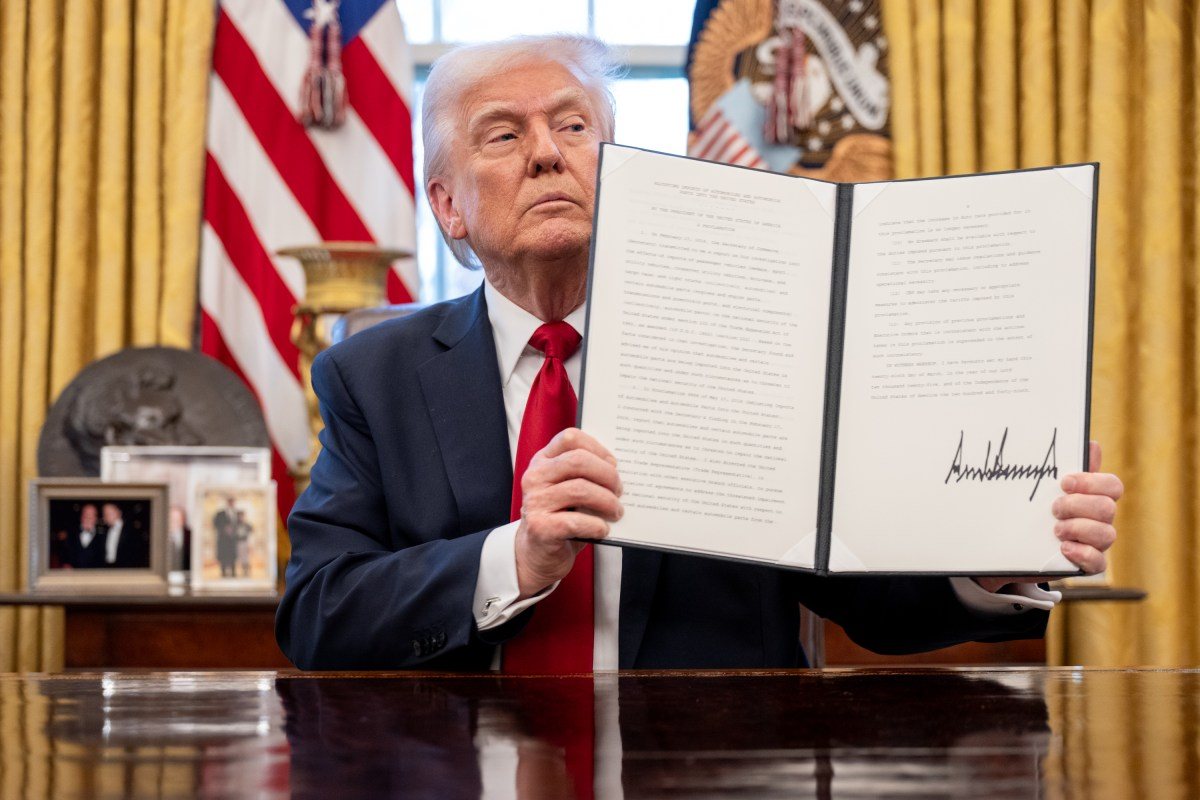
Donald Trump's second term is actively rewiring that infrastructure. The White House says the purpose is the opposite of decline: restore manufacturing, force fairer trade, strengthen defence and keep the dollar dominant. Trump made reserve status an explicit campaign promise, and his administration points to the GENIUS Act and dollar-backed stablecoins as one new mechanism for expanding Treasury demand.
The fiscal leg of the strategy is expansionary. Trump signed the 2025 reconciliation law that extended tax provisions and increased spending in priority areas. CBO now estimates that the law raises deficits by about $4.7tn over 2026-2035 when economic and debt-service effects are counted. Federal debt held by the public is projected to climb to 120% of GDP by 2036. That increases the quantity of dollar assets the global system must absorb and the sensitivity of US finances to changes in borrowing costs.
The trade leg is protectionist and strategic. Tariffs are being used not only to collect revenue but to alter supply chains and bargaining relationships. A broad temporary 10% surcharge ran for 150 days in 2026, while additional sectoral and country measures remain. CBO estimates higher tariffs reduce deficits by about $3tn across the baseline window, yet also create a drag on growth.
Dimon's position shows why the reserve-currency debate cannot be reduced to “tariffs good” or “tariffs bad.” He says the United States was wrong to become dependent on China for critical minerals and manufacturing inputs and accepts targeted industrial policy. He also argues that trade policy must keep allies economically bound to the United States. If tariffs move production from strategic adversaries into an allied supply chain, they may reinforce the dollar network. If they encourage partners to build payment, trade and reserve systems designed to avoid Washington, they weaken it.
The institutional leg is equally important. Dimon defended Federal Reserve independence in January. The Trump administration has challenged that independence in ways that reached the Supreme Court, which in June prevented the president from removing Fed Governor Lisa Cook for the time being. A reserve network depends on the belief that dollar assets are governed by predictable rules, including monetary rules that are not rewritten for the electoral calendar.
At present, the network remains powerful. IMF data show the dollar at 57.13% of official foreign-exchange reserves in the first quarter, up from the end of 2025. There is no statistical basis for saying Trump's policies have already ended dollar dominance.
The strategic question is whether the network becomes more resilient or more coercive. A resilient system keeps partners inside because access, liquidity and security are valuable. A coercive system can still dominate for a long time, but it gives every participant a stronger incentive to develop alternatives. Trump's policies are raising that strategic choice from theory to practice. Dimon's warning is that a country can lose reserve status long after the decisions that made the loss possible were taken.
50