Bailey Warns Holding Rates Will Get Harder as Energy Prices Rise and Mortgage Deals Near 6%
Bank of England Governor Andrew Bailey has said it will become harder to keep interest rates on hold as energy prices climb, a warning that threatens to push mortgage deals towards 6% and squeeze household budgets.
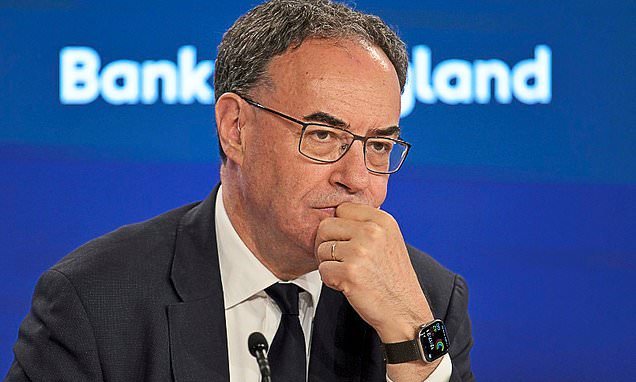
Bank of England Governor Andrew Bailey has warned that keeping interest rates on hold will become harder as energy prices rise, a signal that borrowing costs could stay higher for longer and a direct blow to homeowners already facing steep mortgage bills.
Bailey's comments came as mortgage deals moved towards 6%, a level that would intensify pressure on household finances and weigh on consumer demand. The warning suggests the central bank's room to pause its tightening cycle is narrowing, with energy costs once again emerging as a key driver of inflation.
The Governor's remarks are significant because they shift the debate from whether rates have peaked to how long they can remain at current levels. For borrowers, that distinction matters: a prolonged hold at a high rate keeps refinancing costs elevated, while any further increase would push mortgage pricing even higher.
Energy prices are central to the Bank's dilemma. When energy costs rise, they feed directly into household bills and indirectly into the cost of goods and services, making it harder for inflation to return to the 2% target. Bailey's warning implies that the Bank may need to respond if energy-driven inflation proves persistent.
The mortgage market has already reacted. Deals approaching 6% represent a sharp increase from the ultra-low rates that prevailed for much of the past decade, and they are reshaping affordability calculations for buyers and remortgagers alike. For those coming off fixed-rate deals agreed when rates were lower, the jump in monthly payments can be substantial.
Economists note that the pass-through from higher energy prices to broader inflation is not automatic, but it is a risk the Bank cannot ignore. If energy costs stay elevated, expectations of future inflation could drift upward, making the Bank's job harder and increasing the likelihood of a tighter policy stance.
The timing is awkward for the government, which has pledged to support households through the cost-of-living squeeze. Higher mortgage costs reduce disposable income, dampening consumer spending and potentially slowing economic growth. That, in turn, could complicate the fiscal outlook and limit the scope for tax cuts or additional support.
For savers, the picture is more mixed. Higher rates can boost returns on deposits, but only if banks pass them on. In recent months, savings rates have lagged behind mortgage rates, prompting criticism that lenders are quick to raise borrowing costs but slower to reward depositors.
Bailey's warning also carries international implications. The Bank of England is not alone in grappling with energy-driven inflation; other major central banks face similar pressures. If the UK tightens further while others hold steady, the pound could strengthen, affecting exporters and import prices in ways that feed back into inflation.
Market analysts are now watching energy markets closely. A sustained rise in oil and gas prices would make Bailey's warning more likely to translate into action. Conversely, a fall in energy costs could give the Bank room to keep rates unchanged for longer, offering relief to borrowers.
For now, the message from the Bank is clear: the era of cheap money is over, and the path back to lower rates depends heavily on energy prices. Homeowners and businesses should prepare for a period in which borrowing costs remain elevated, with the risk tilted toward further increases if inflation proves stubborn.
The next set of inflation and energy price data will be crucial in shaping the Bank's next move. Until then, Bailey's comments stand as a caution that the fight against inflation is not yet won, and that the cost of that fight will continue to be felt in mortgage payments and household budgets across the country.
17