
US and Russia Strip Safeguards from UN Killer Robot Pact
Human Rights Watch says American and Russian delegations removed ethics and human-oversight provisions during 15 hours of last-minute edits to a UN resolution on autonomous weapons, bringing lethal AI systems closer to deployment without binding international rules.
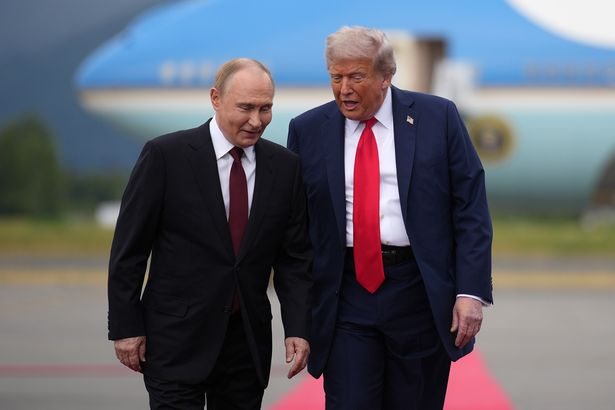
American and Russian delegations have removed ethics and human-oversight safeguards from a United Nations resolution on autonomous weapons during 15 hours of last-minute edits, Human Rights Watch has said, bringing the prospect of so-called killer robots closer to reality.
The changes were made after three years of negotiations on lethal autonomous weapons systems — machines capable of selecting and engaging targets without meaningful human control. The resolution had been intended to establish a framework for responsible development and use of such technology. According to Human Rights Watch, the US and Russian delegations stripped out provisions that would have required human oversight and ethical constraints on the deployment of AI-driven weapons.
The intervention effectively weakens the resolution's ability to set international standards for a class of weapons that has alarmed human rights groups, military ethicists and a growing number of states. The edits were made in the final hours of the talks, leaving little opportunity for other delegations to restore the removed language.
Human Rights Watch has been among the most vocal organisations warning about the risks posed by autonomous weapons. The group argues that allowing machines to make life-and-death decisions without human control crosses a moral threshold and creates accountability gaps that existing international law is ill-equipped to address.
The move by Washington and Moscow reflects the broader geopolitical divide over how to govern military artificial intelligence. Major powers developing autonomous systems have resisted binding international restrictions, preferring voluntary guidelines or national-level rules that preserve their technological and strategic freedom. The United States has consistently argued that existing international humanitarian law is sufficient to regulate such weapons, while Russia has shown little appetite for any multilateral constraints on its military modernisation.
The stripped safeguards would have introduced explicit requirements for human oversight — a principle that campaigners say is essential to prevent accidents, escalation and unlawful attacks. Without such provisions, the resolution risks becoming a symbolic document that endorses the status quo rather than setting meaningful limits.
The development comes as the UN continues to host discussions on lethal autonomous weapons through the Convention on Certain Conventional Weapons, a forum that operates by consensus and has struggled for years to produce binding rules. The failure to preserve ethics and oversight language in the latest resolution underscores how difficult it remains to translate widespread concern into concrete international law.
For the United Kingdom and other European states that have called for a two-tier approach combining political declarations with legally binding instruments, the outcome is a setback. London has previously supported the idea of a normative framework, though it has stopped short of backing a full ban. The removal of safeguards by two permanent members of the Security Council further marginalises the role of smaller states and civil society in shaping the rules of AI warfare.
Human Rights Watch has warned that without robust human control, autonomous weapons could be deployed in ways that violate international humanitarian law, including in urban environments where distinguishing between combatants and civilians is already difficult. The group has called on states to pursue a new international treaty to regulate such systems.
The episode also raises questions about the future of multilateral arms control. As AI capabilities advance rapidly, the gap between technological reality and legal frameworks continues to widen. The US-Russian intervention suggests that the world's leading military powers are not prepared to accept constraints that might slow their own programmes, even as they acknowledge the risks of an AI arms race.
For now, the resolution moves forward with its safeguards weakened, leaving the regulation of killer robots to a patchwork of national policies and voluntary commitments. Campaigners say that is a recipe for a dangerous and unpredictable future, in which machines — not people — decide who lives and who dies.
8