Government launches inquiry into possible leak of Autumn Budget details
The Treasury is probing an alleged leak of market-sensitive Autumn Budget information that may have moved bank share prices before Parliament received it.
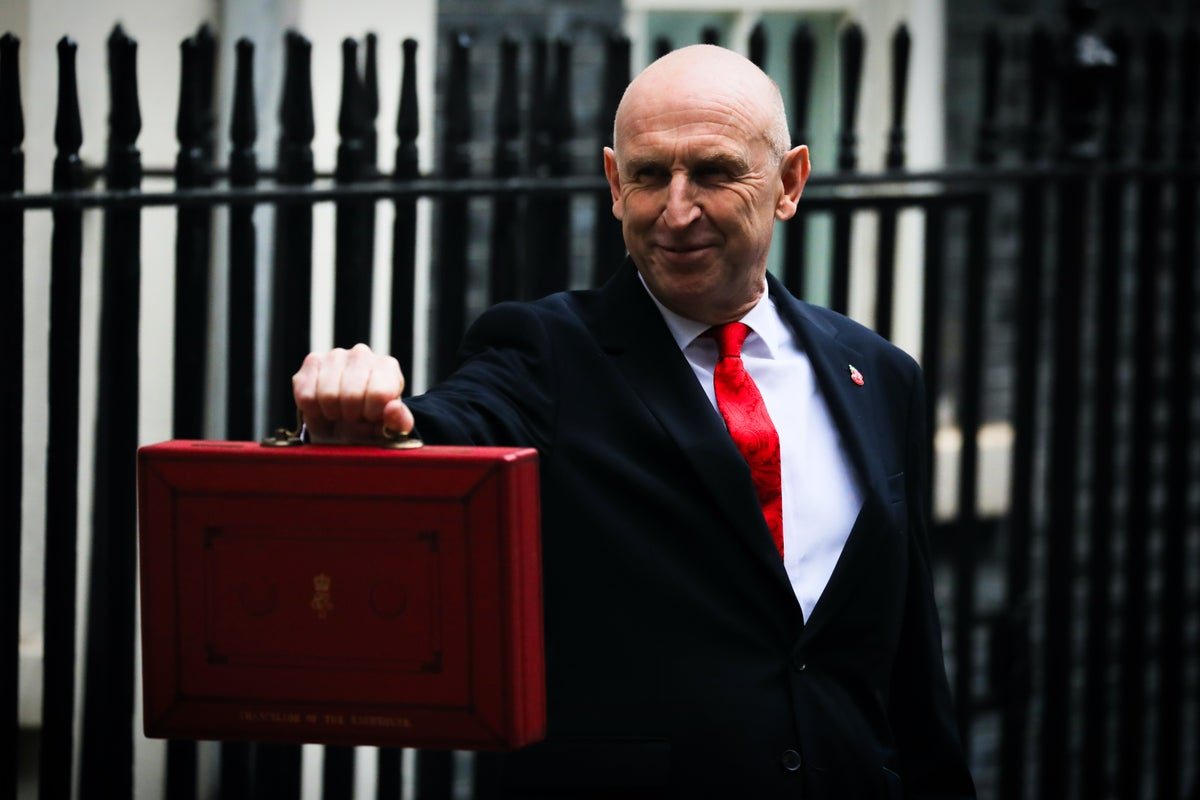
The government has launched an investigation into a possible leak of Autumn Budget information, after details reportedly circulated in newsrooms before Parliament had received them. The alleged leak involved market-sensitive material, and it may have moved bank share prices. The Treasury will carry out the inquiry itself, and the matter has quickly become a point of dispute between ministers and the committee that scrutinises their work.
The source and scope of the leak have not yet been established. It is also unknown whether any wrongdoing took place, and the outcome of the inquiry and its timeline remain unclear. What is clear from the reporting so far is the sequence of events that has drawn attention: information that was meant to reach MPs first appeared in the press beforehand, and the reaction in financial markets has made the episode more than a procedural embarrassment. Budget measures that can affect company valuations and investor positioning are normally treated with the utmost secrecy until the Chancellor rises to deliver them in the Commons.
The chair of the Treasury Committee, Meg Hillier, responded sceptically to the letter announcing the inquiry and criticised the decision to launch it. Her objection centres on the process rather than on any finding, and it highlights a familiar tension between the executive, which controls the Budget and its internal handling, and the parliamentary committees that are meant to hold the Treasury to account. Coverage has also named another committee chair, John Healey, in connection with the affair. That reference has not been confirmed, and nothing in the reporting so far establishes that he was a source of the information.
Critics of such inquiries have argued that they often reach a dead end. An investigation conducted within the department whose own material is in question can struggle to command confidence, particularly when the people asked to examine the handling of documents are the same people responsible for producing them. Those concerns are likely to be tested by how transparent the Treasury is prepared to be about the scope of its review and what it reports back to Parliament.
The episode also raises a wider question about how sensitive fiscal information is protected before a Budget is formally presented. Advance knowledge of tax and spending changes can give some market participants an advantage over others, which is why officials and ministers are expected to keep such details confined until the moment they are announced. Any confirmed breach would therefore be a serious matter for the Treasury and for the credibility of the process by which Budgets are prepared and presented.
For now, the central facts remain limited: an investigation has been opened, market-sensitive information is alleged to have leaked, and the reported effect on bank shares is part of the concern. Whether the inquiry establishes how the information escaped, and who was responsible, will determine whether the matter goes further.
Source: independent.co.uk
4