Food inflation expected to reach almost 4% by Christmas, industry warns
Industry analysts warn UK food inflation could approach 4% by Christmas, driven by Middle East conflict and extreme weather, with prices potentially rising further in 2026.
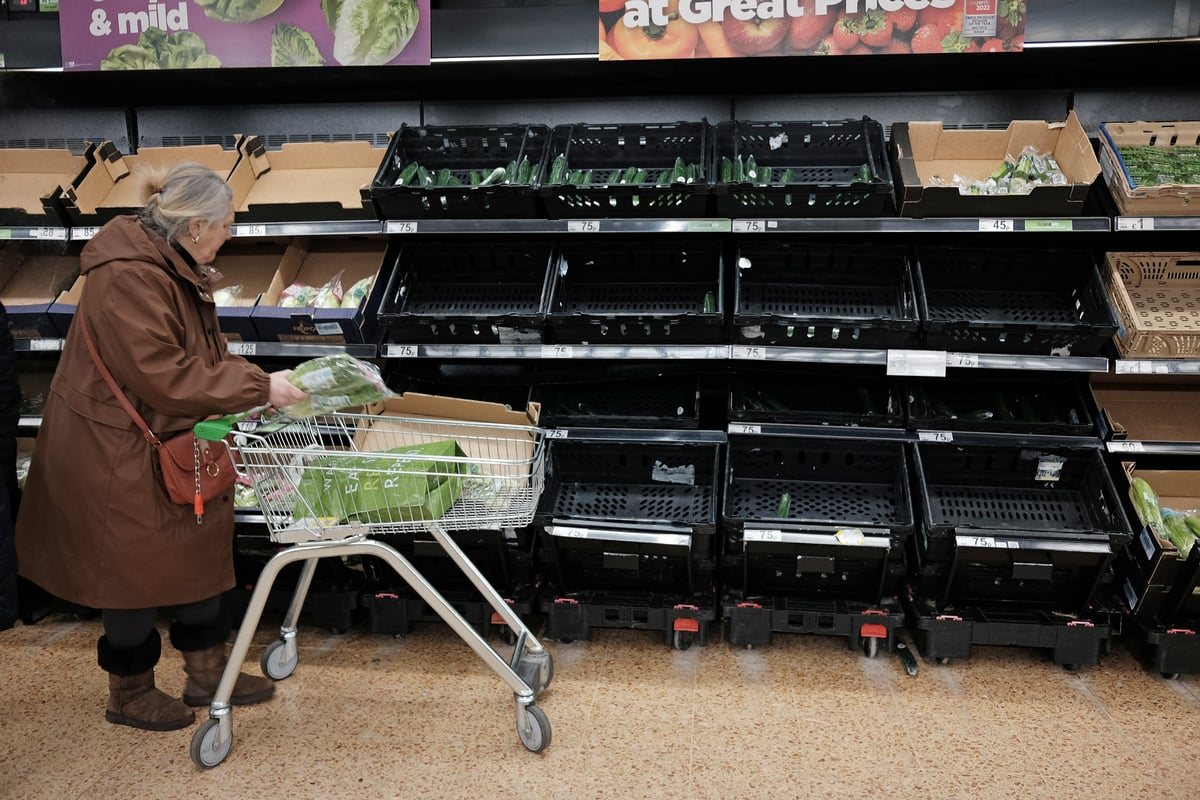
UK shoppers face another squeeze at the till as industry analysts warn food inflation could reach almost 4% by Christmas. The forecast, issued ahead of the festive shopping season, points to continued pressure on household budgets after years of steep price increases across the grocery sector.
The warning comes as new calculations show the cumulative effect of recent inflation on everyday spending. A grocery shop that cost £100 in January 2020 would now set a shopper back £138.60, according to the latest Office for National Statistics figures — a rise of 38.6% over the period. That benchmark illustrates how much of the recent price shock has already been absorbed by consumers, and suggests the coming months will add further strain.
Industry analysts attribute the expected rise to two main forces. The first is the conflict in Iran, which has disrupted supply chains and pushed up costs for energy and transport, both of which feed directly into food production and distribution. The second is the impact of extreme weather, following a summer marked by heatwaves and droughts that have damaged harvests and reduced yields across key growing regions. Together, these factors are raising the cost of raw ingredients and packaging, costs that retailers are increasingly passing on to customers.
The forecast of nearly 4% inflation by Christmas would mark a notable acceleration from recent monthly readings, which had shown some signs of cooling. It also raises the prospect that price rises could continue well into next year, with analysts cautioning that the underlying pressures show no immediate sign of easing. Supply chain disruptions linked to the Iran conflict remain unpredictable, while the effects of this summer's extreme weather on crop availability will be felt for months as stocks are drawn down.
The warning adds to the challenges facing the government as it seeks to bring the wider cost-of-living crisis under control. Food prices are among the most visible and sensitive components of household spending, and sustained inflation in this area tends to hit lower-income families hardest, as they spend a larger share of their budgets on essentials. The figures also complicate the broader economic picture, with policymakers weighing the need to support growth against the risk that inflation becomes entrenched.
Retailers, for their part, are caught between rising input costs and customers who have already cut back on discretionary spending. Supermarkets have absorbed some of the increases through promotions and own-brand lines, but industry insiders suggest there is a limit to how long they can shield consumers from the full scale of cost pressures. The Christmas period, traditionally a time of higher spending on food and drink, is likely to bring the issue into sharp focus as households plan their festive budgets.
The Office for National Statistics data underpinning the £138.60 comparison provides a stark reminder of how far prices have travelled since the start of the decade. While inflation rates have fluctuated, the cumulative effect on the cost of a standard basket of goods has been substantial. For many families, the gap between income growth and food price rises has widened, forcing difficult trade-offs in other areas of spending.
With the conflict in Iran showing no sign of resolution and weather patterns becoming more volatile, analysts see little reason for optimism on the horizon. The warning of nearly 4% inflation by Christmas is not an outlier but part of a broader trend that could extend into 2026. For consumers, the message is clear: the era of cheap food is over, at least for now, and budgeting for the months ahead will require careful planning.
56