Commonwealth Games athlete Rachel Conway to begin NHS placement after Glasgow 2026
Rachel Conway, 25, will trade her Team Scotland kit for NHS scrubs as soon as the Commonwealth Games in Glasgow end, beginning her first clinical placement with NHS Greater Glasgow and Clyde.
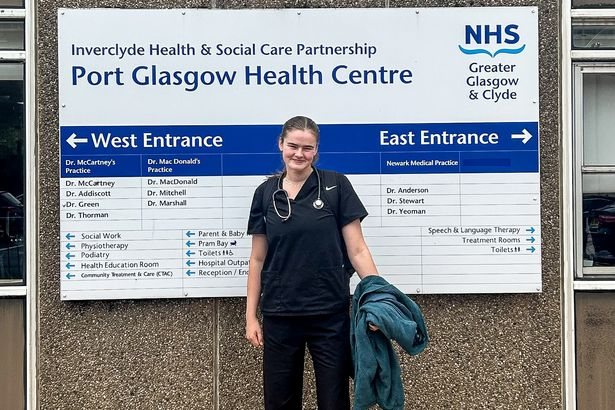
Rachel Conway is preparing for one of the most abrupt transitions in sport: as soon as the Commonwealth Games in Glasgow finish, the 25-year-old will trade her Team Scotland kit for NHS scrubs and begin her first clinical placement with NHS Greater Glasgow and Clyde.
Conway, one of the Scottish athletes competing at the 2026 Games, will move directly from the high-pressure environment of the sporting arena to the equally demanding setting of a hospital ward. The placement represents the next stage in her medical training, and her return from the Games will be followed almost immediately by a new routine of shifts, clinical learning and patient contact rather than a period of rest and recovery.
The end of the competition will not just mark the conclusion of her Commonwealth Games; it will also mark the start of a new professional chapter. While many athletes will allow themselves time to decompress after months of training and competition, Conway is due to report for her first placement as soon as her sporting commitments end. It is a switch that requires a quick reset, both mentally and practically, as she moves from competition focus to the realities of hospital life.
NHS Greater Glasgow and Clyde is the health board serving the area around the host city, and it is with that board that Conway will begin her hands-on training. Clinical placements are a central part of medical education, giving students direct experience of working alongside doctors, nurses and other healthcare professionals. For Conway, that means swapping the discipline of elite sport for the discipline of the ward, where the qualities expected of her will include clinical judgement, communication and teamwork. For the NHS, her arrival represents one more trainee joining the clinical workforce at the start of a long training path.
Her move comes as the 2026 Commonwealth Games enter their final stages. Held in Glasgow, the event has brought together competitors from across the Commonwealth, with Team Scotland in action in front of home supporters. The closing ceremony is due to bring the ten-day programme to an end and, for Conway, it will also mark the moment her NHS training begins.
The Glasgow Games have produced a number of standout sporting moments in their closing days, including a series of impressive performances on the track. For Conway, however, the most significant result will be measured in a different way: the start of a career in the health service. The transition from athlete to doctor is an unusual one, but it reflects the wider pattern of competitors who combine elite sport with professional training. In Conway's case, the two worlds will meet head-on as soon as the Games draw to a close.