
Global stock markets tumble as jitters over tech and AI spread
Global stock markets fell sharply on Friday, with the US Nasdaq closing 5% below its 1 January level, as investors grew wary of AI companies and sold technology shares.
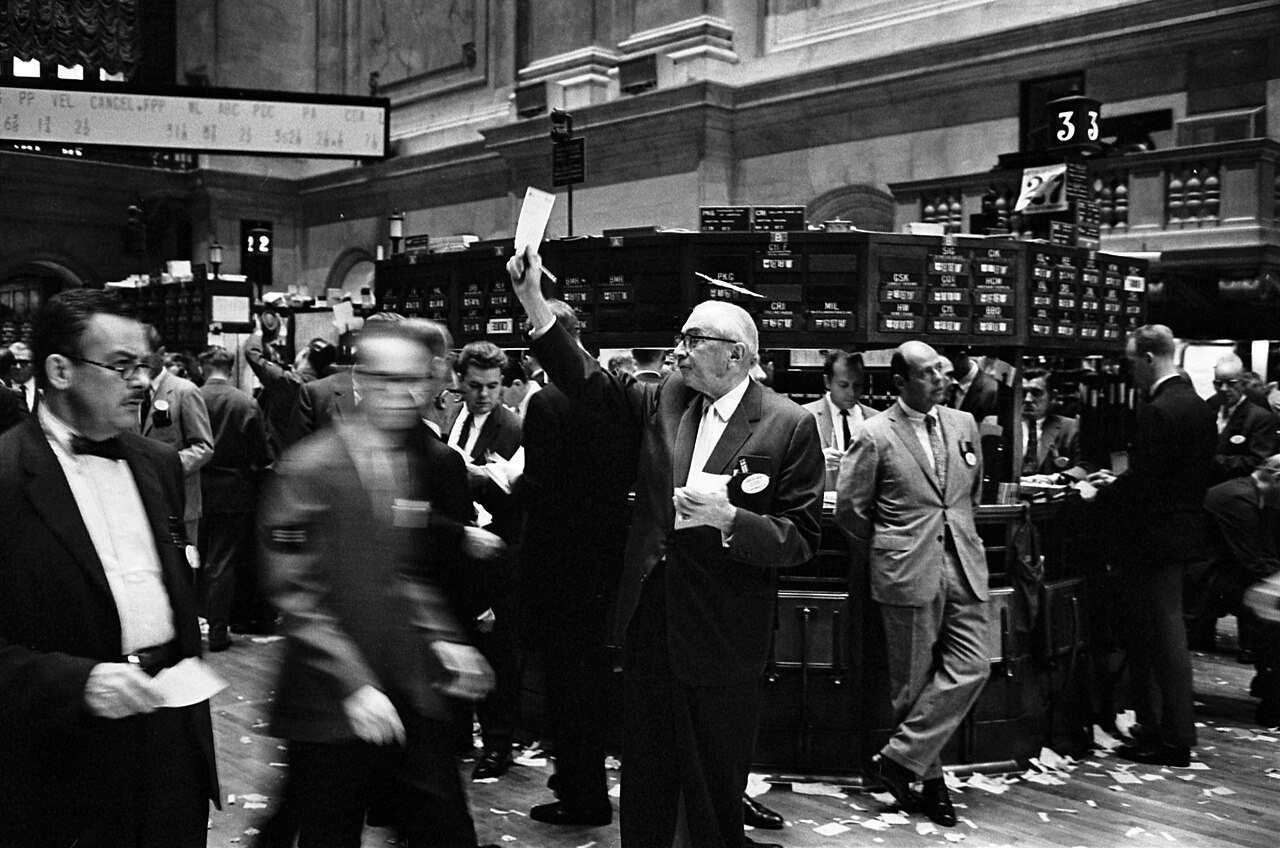
Global stock markets have turned volatile, with investors showing signs of nervousness about the outlook for artificial intelligence companies and selling off technology shares. On Friday, markets around the world tumbled, and the US Nasdaq closed 5% below where it stood on 1 January.
The sell-off followed a striking week for the sector. Last week the AI company Anthropic launched on the stock market and recorded a record-breaking first day of trading. That strong debut did not prevent a broader retreat in technology stocks in the days that followed, leaving many investors uncertain about where prices are heading. The contrast between a successful market debut and a falling index illustrates how quickly sentiment can shift when expectations around a single sector become stretched.
For ordinary savers, the central question is practical: will a fall in the market cost them money, and is there anything they can do about it? The answer depends largely on the nature of their holdings and their time horizon. Losses on paper only become permanent if an investor sells at a low point, which is why financial commentators often urge people to think carefully before abandoning investments in the middle of a downturn. Acting in haste during a sharp fall can lock in losses that might otherwise have been recovered as prices settled.
Market swings of this kind are not unusual, and sharp drops are frequently followed by recoveries. Still, the concentration of recent gains in technology and AI companies means that a shift in sentiment toward that sector can have an outsized effect on broad market indices. Those indices are tracked by many pension and savings products, so the impact can reach people who never bought an AI share directly. Investors who hold diversified funds spread their exposure across many sectors and may therefore feel the effect less than those with heavy exposure to a handful of tech firms.
Behind the figures lies a broader question about how far investor optimism around artificial intelligence has run ahead of corporate results. Enthusiasm for AI has driven much of the market's recent performance, and any hint of doubt about the speed of returns on that investment tends to ripple quickly through share prices. Whether the current jitters prove brief or mark the start of a longer correction will become clearer in the coming weeks, as companies report earnings and investors reassess the expectations that drove the recent rally.
The episode also highlights how closely global markets are now linked. A decline that begins in the United States tends to be felt in trading centres across Europe and Asia within hours, because investors manage portfolios across borders and react to the same signals at the same time. For now, the message for most savers is one of caution rather than alarm: markets have fallen before and recovered, and the choices made during a downturn often matter more than the downturn itself.
Source: theguardian.com
21