UK drops planned foie gras import ban to help secure EU food trade deal
Ministers will abandon a proposed ban on foie gras imports as part of a sanitary and phytosanitary trade agreement with the European Union, a move animal welfare charities have criticised.
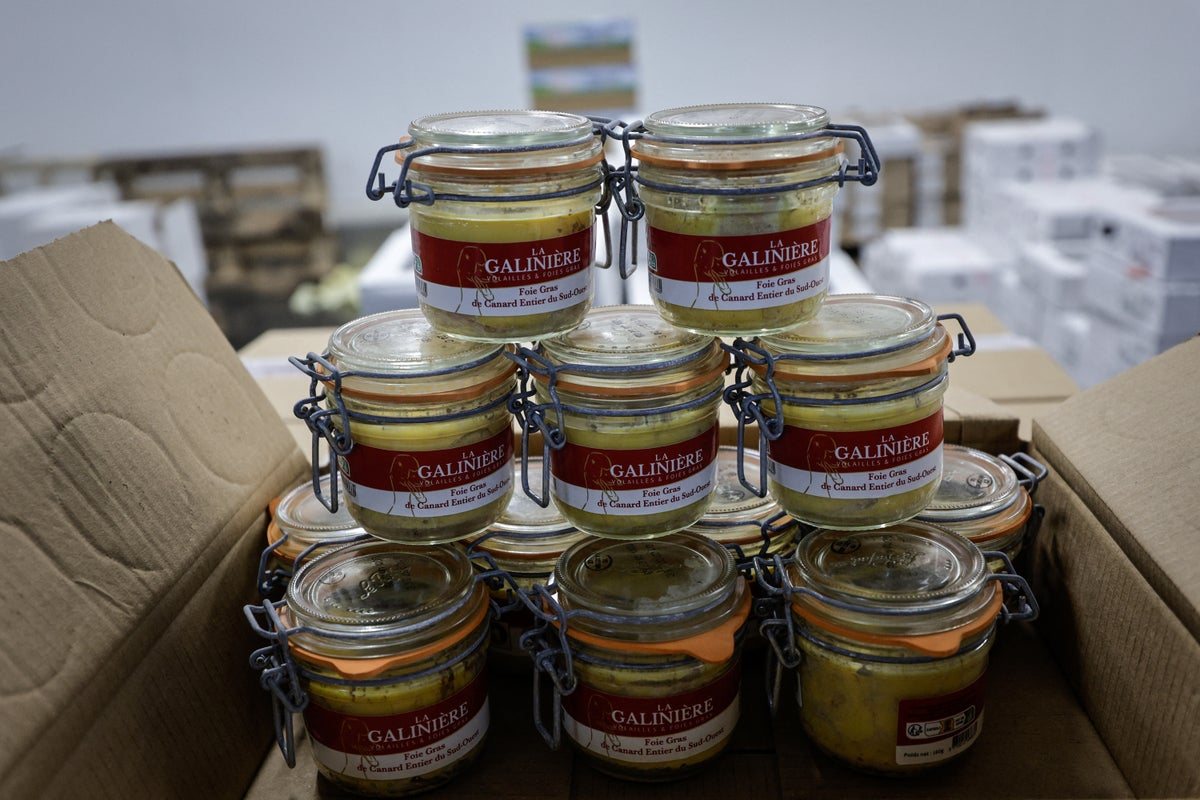
Ministers will drop plans to ban foie gras imports into the United Kingdom in order to smooth a trade agreement with the European Union. The Financial Times first reported that the proposed ban will be officially dropped on Friday, when the government announces a sanitary and phytosanitary (SPS) trade deal with the bloc.
The SPS agreement is designed to reduce checks and paperwork on imports and exports of food and drink between the UK and the EU. Dropping the foie gras measure removes a potential point of friction from negotiations that the government hopes will ease the movement of food products across the border. The decision shows how a single politically sensitive product can become part of a wider trade bargain.
Animal welfare charities have criticised the reversal, describing it as a “backwards step”. Production of foie gras has been banned in the UK since 2007, so the proposed import ban was intended to extend that position to products made abroad. Campaigners argue that allowing imports would undermine the original domestic prohibition, which was introduced on welfare grounds because of concerns about the force-feeding of birds used to produce the delicacy.
The government’s approach reflects a broader effort to reset relations with the EU on food and agriculture. Separate reporting on the same negotiations notes that the UK is seeking agreements with Europe covering food, emissions trading and youth mobility. The foie gras decision therefore sits within a larger package of talks, and its significance lies as much in what it signals about negotiating priorities as in the product itself.
The announcement is expected on Friday, and the wording of the final agreement will determine how the change is implemented. Until the government publishes the details, the immediate outcome is clear: the planned import ban will not proceed, and the trade deal is expected to proceed with fewer checks on food and drink moving between the UK and the EU.
Source: theguardian.com
32