UK Car Industry Weighs Tariffs on Chinese Vehicles Against EU Export Risk
Britain's automotive sector is caught between protecting its market from cheap Chinese electric vehicles and avoiding retaliatory tariffs from the EU, its largest export destination, as Brussels and Washington tighten trade defences.
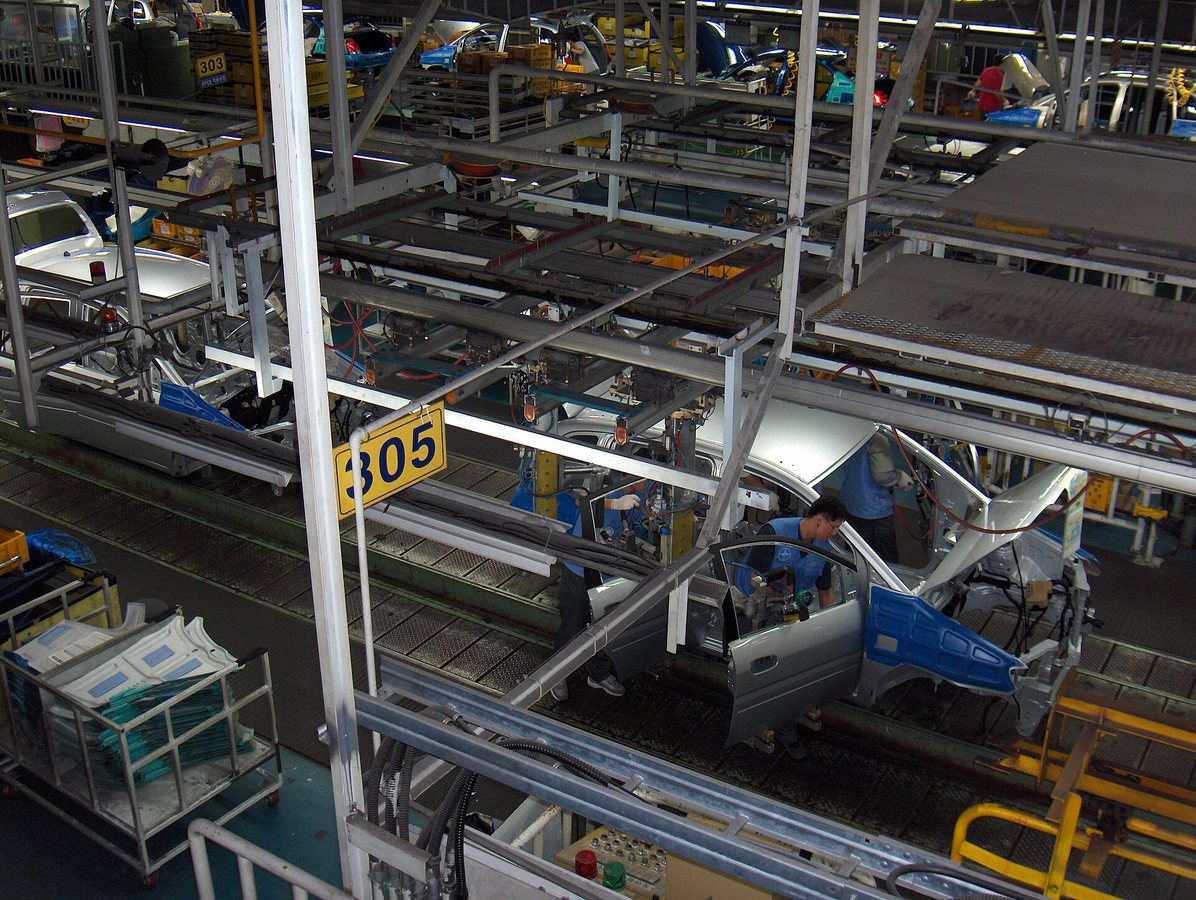
Britain's automotive industry is confronting a difficult trade-off between its access to the European Union market and the pressure to impose tariffs on cheap Chinese vehicle imports, as protectionist measures reshape global car trading. The UK is now an outlier among major Western economies in choosing not to levy import taxes on Chinese vehicles, even as the United States has shut them out almost entirely and the European Union imposes duties of up to 45%.
The dilemma is sharpened by the structure of British car manufacturing. The UK exports a substantial share of its output to the EU, and any move that Brussels interprets as insufficiently protective could invite retaliatory measures against British-built vehicles. At the same time, cheap Chinese electric vehicles have gained a growing presence in the UK market, offering consumers lower prices but placing domestic producers under competitive strain.
Industry figures describe the position as a balancing act with no cost-free option. Tariffs on Chinese imports would shield UK factories from a surge of low-priced vehicles, but they risk provoking the EU into tightening its own rules on British exports. The EU's existing duties of up to 45% on Chinese-made electric vehicles already divert some of that supply toward the UK, intensifying the competitive pressure on domestic manufacturers.
The UK's decision to remain outside the tariff regime has drawn criticism from those who argue it leaves British producers exposed while other major markets close their doors. The United States has effectively excluded Chinese vehicles, and the EU has moved decisively with steep duties. Britain's open stance, by contrast, makes it a destination of choice for exporters seeking to avoid those barriers.
For UK carmakers, the calculus extends beyond immediate sales. The EU is the single most important export destination for British-built vehicles, and the rules governing that trade are set in Brussels. Any perception that the UK is undercutting European producers by accepting Chinese imports without reciprocal protection could complicate the broader trading relationship at a moment when post-Brexit arrangements remain sensitive.
The trade-off also touches on the transition to electric vehicles. UK manufacturers are investing heavily in battery production and new model lines, and they need stable demand and predictable costs to justify that spending. A flood of cheaper imported models can undermine the business case for domestic electric vehicle production, even as consumers benefit from lower prices.
Policymakers face competing constituencies. Consumers and retailers favour open access to affordable vehicles, particularly as the cost of living remains a concern. Domestic manufacturers and their supply chains, which employ hundreds of thousands of people across the country, argue for a level playing field against state-supported competitors.
The wider context is a global shift toward managed trade in the automotive sector. The EU's duties, the US exclusion, and similar measures elsewhere have turned vehicle imports into a strategic question rather than a purely commercial one. Britain's choice to stay outside that trend is increasingly conspicuous and politically contested.
What happens next depends partly on decisions taken in Brussels and Washington, and partly on whether the UK can negotiate an arrangement that protects its domestic industry without jeopardising its EU export access. For now, the industry is left to manage a difficult trade-off between two markets that are central to its future.
3