
UEFA nations unanimously agree to boycott World Cup over FIFA private investment plan
All 55 UEFA member associations have voted to boycott FIFA competitions, including the World Cup, if president Gianni Infantino proceeds with plans to sell shares to private investors. The decision follows an emergency meeting and represents a major escalation in the governance dispute.
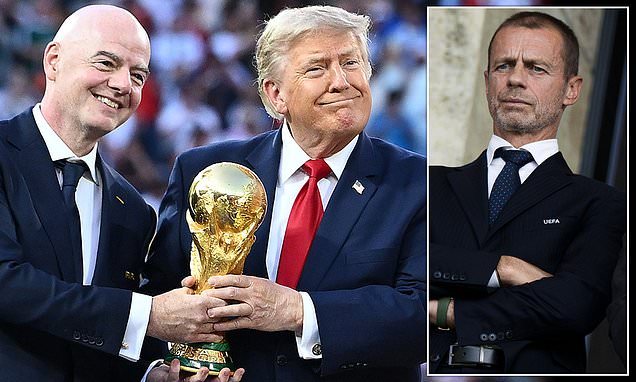
European football nations have taken an unprecedented stand against FIFA, with all 55 UEFA member associations agreeing to boycott the World Cup and other FIFA-run competitions if the world governing body pushes ahead with controversial plans to sell stakes in the tournament to private investors. The decision, reached during an emergency meeting on Thursday, sends a clear message to FIFA president Gianni Infantino that his proposal faces unified opposition from Europe's leading football federations.
The meeting, which lasted just under two hours, concluded with a unanimous resolution rejecting Infantino's scheme. In a statement issued afterward, UEFA said its members «unanimously and unequivocally reject» the proposals. The boycott would take effect immediately, beginning with the Under-20 Women's World Cup, should FIFA proceed without abandoning the plan. The move represents the most serious confrontation between UEFA and FIFA in decades, threatening to fracture the global football calendar.
Infantino's plan reportedly involves selling a significant portion of the commercial rights to the men's and women's World Cups to US-based private equity funds. Proponents argue the move would generate substantial revenue that could be reinvested into the sport, particularly in developing nations. However, critics within European football see it as a dangerous transfer of control over the sport's crown jewel to profit-driven investors, potentially undermining the integrity and independence of football governance.
The unanimous vote is particularly notable because some smaller UEFA member associations were initially thought to be tempted by the financial incentives that Infantino's plan might offer. Smaller federations often rely on FIFA funding for development programmes, and the promise of increased revenue could have swayed them. However, the final outcome showed a united front, suggesting that the shared concern over preserving football's governance structure outweighed short-term financial considerations.
The conflict comes against a backdrop of growing tension between UEFA and FIFA under Infantino's leadership. European associations have previously expressed frustration over FIFA's expanding club World Cup and the congested international calendar. This latest dispute, however, strikes at the core of FIFA's commercial strategy. If implemented, the private investment plan could reshape how the World Cup is managed, marketed, and governed, with potential long-term implications for ticket prices, broadcast rights, and the allocation of tournament revenues.
UEFA's decision has immediate practical consequences. The European governing body controls some of the world's strongest national teams, including England, Germany, France, Spain, and Italy. Their absence from future World Cups would dramatically reduce the tournament's commercial value and global appeal. Broadcasters and sponsors, who pay billions for rights, would face an uncertain market. The boycott threat also places pressure on FIFA's other confederations, which may be forced to choose sides in what is rapidly becoming a power struggle over the future of international football.
England's Football Association, one of the most influential voices in the debate, confirmed its support for the boycott. The FA has long been a key ally in efforts to maintain UEFA's collective stance against what it sees as overreach by FIFA's leadership. Other major federations quickly followed suit, with statements of solidarity issued by the German, French, and Italian football associations in the hours after the vote.
The dispute also highlights broader questions about the role of private capital in sport. Similar debates have occurred in other sports, including Formula One and rugby union, where private equity investment has brought both financial stability and concerns about loss of control. By taking such a firm stand, UEFA is positioning itself as a defender of the traditional, non-profit model of football governance, where federations, not investors, hold ultimate authority over the sport's biggest events.
FIFA has so far not issued a detailed response to UEFA's announcement. Insider sources suggest that Infantino is unlikely to back down easily, given the extensive groundwork already laid with potential investors. However, the scale of the European backlash may force a re-evaluation. The coming weeks are expected to see intensified negotiations as both sides seek a resolution that avoids a full-blown rupture. For now, the football world watches closely, aware that the outcome will shape the sport's governance for generations.