
Shein shares slide on Hong Kong debut after valuation drops to $26.5bn
Shein Global Holdings began trading on the Hong Kong Stock Exchange at HK$48.56 per share, with the stock falling more than 9% before recovering. The IPO values the fast-fashion retailer at $26.5 billion, a quarter of its 2022 peak valuation.
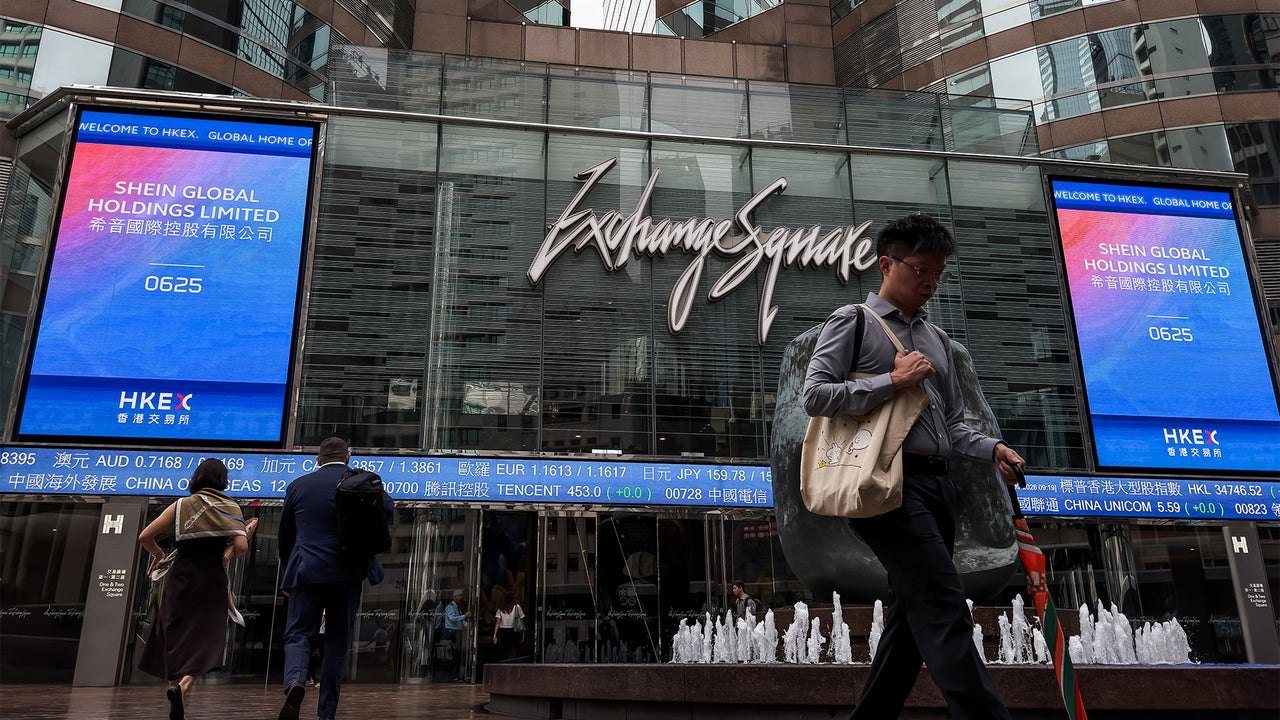
Shein Global Holdings has made its long-awaited stock market debut on the Hong Kong Stock Exchange, but the fast-fashion giant failed to captivate investors on its first day of trading. The Chinese-founded company listed shares at HK$48.56 ($6.19) on Tuesday, September 1, only to see the stock fall more than 9% before recovering to close near its opening price at HK$48.50.
The muted reception marks a dramatic reversal for a company that was once valued at $100 billion. At the height of the pandemic-era online shopping boom, Shein attracted millions of customers with clothing items often priced in single digits. That valuation has since collapsed by roughly three-quarters, with the IPO pricing the company at $26.5 billion.
Shein reported a $99 million loss in its first quarter, a figure that underscores the financial pressures facing the business. The company has attributed its recent losses to new tariffs introduced in the United States and Europe. In August of last year, Washington ended the de minimis exemption that had allowed goods valued below $800 to enter the country tax-free, a change that directly affected Shein's low-cost shipping model.
The company's decline has also been shaped by persistent controversy. Reports of forced labour and human rights violations in its supply chain have given a human face to those exceptionally cheap garments, and some consumers have responded by boycotting the brand. Shein has largely avoided detailed responses to such allegations, and when it has addressed them, it has tended to make vague claims about changes and regulations.
Regulatory scrutiny has intensified in Europe as well. In February, the European Union launched an investigation into Shein over concerns that its platform is addictive for young people and sells illegal goods, including items described as child-like sex dolls. The investigation adds another layer of uncertainty for the company as it navigates its new life as a publicly traded entity.
The Hong Kong listing follows failed attempts to float shares in New York and London, where regulators and politicians raised concerns about the company's labour practices and governance. Shein ultimately turned to Hong Kong, a market more familiar with Chinese-founded businesses and their operational models.
Despite the rocky start, analysts note that it remains early days for Shein as a public company. The stock's performance in the coming months will depend on how the retailer navigates tariff pressures, regulatory investigations, and consumer sentiment, all while trying to reassure shareholders that its growth story is not over. The company still commands a substantial customer base, and many shoppers continue to buy from the brand despite the controversies that have dogged it.
For now, the market's verdict is cautious. Shein's debut valuation of $26.5 billion is a far cry from the $100 billion figure that once made it one of the most valuable private companies in the world. Whether the stock can recover from its first-day stumble will be watched closely by investors and industry observers alike.
41