
Online Retail Chief Warns Prices Will Rise as Diesel Passes £2 a Litre
A senior figure in online retail has said consumer prices will have to increase if diesel costs keep climbing, after the fuel broke through the £2-a-litre barrier. The warning puts transport costs at the centre of the inflation debate facing British households and businesses.
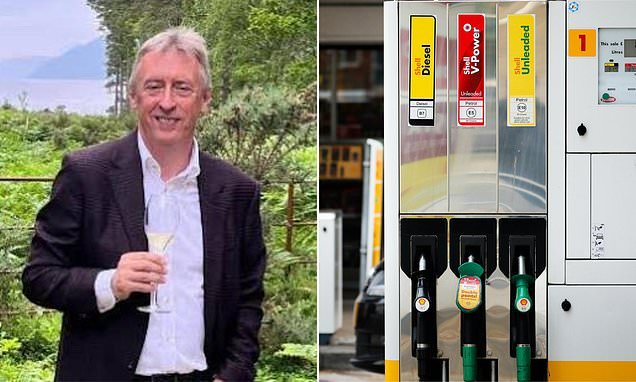
A senior figure in online retail has warned that prices charged to consumers will have to rise if the cost of diesel continues to climb, after the fuel broke through the £2-a-litre mark. The intervention places transport fuel at the centre of the cost pressures bearing down on British businesses and households, and signals that the recent spike in energy costs is feeding directly into the price of goods sold online.
The warning reflects a simple commercial reality for retailers that depend on road haulage. Diesel is the fuel that moves the overwhelming majority of goods around the country, from warehouse to distribution hub to customer doorstep. When the pump price rises, every mile travelled by a delivery van or a heavy goods vehicle becomes more expensive, and those costs accumulate across a supply chain that has already been squeezed by higher wages, packaging costs and energy bills.
Online retail is particularly exposed to movements in the diesel price. Unlike a high-street shop, where customers travel to a single location, an e-commerce operation runs a dispersed network of vans and couriers making individual deliveries. The cost of that final leg — the journey from a local depot to a customer's home — is almost entirely a function of fuel. When diesel passes a symbolic threshold such as £2 a litre, the arithmetic behind free delivery, next-day shipping and low headline prices becomes harder to sustain.
The £2-a-litre barrier carries weight beyond its numerical value. It is a psychological marker for consumers and a practical one for operators, because it forces a fresh look at whether existing delivery charges and product prices can absorb the increase. Retailers have limited room to manoeuvre: they can pass costs to customers, cut margins, or reduce service levels. Each option carries consequences, and the online retail chief's comments suggest that passing costs on is now being treated as the most likely outcome if diesel remains at or above this level.
The timing matters because it lands amid a broader debate about the cost of living in Britain. Fuel prices feed into the cost of almost everything, from food to clothing to building materials, and they are a visible part of the inflation that households experience week to week. A sustained rise in diesel therefore has the potential to keep goods prices elevated even if other input costs begin to ease, complicating the outlook for consumers and for policymakers watching for signs that price pressures are cooling.
For businesses, the warning is also a reminder of how thin the margins are in logistics-heavy sectors. Many online retailers operate on modest profit per order, and delivery is often treated as a loss leader to win customers. A prolonged period of expensive diesel would test that model, potentially pushing some operators to rethink subscription-style delivery offers, minimum order values or the frequency of service. Smaller retailers, which lack the scale to negotiate favourable fuel contracts, would feel the squeeze most acutely.
The comments do not amount to a formal forecast, but they do capture a mood across the sector. The direction of diesel prices over the coming weeks will determine whether the warning remains a contingency or becomes a visible feature of the prices shoppers pay. For now, the message from online retail is that the fuel pump and the checkout are connected, and that connection is becoming harder to ignore.
4