Morrisons Sales Growth Outpaces Sainsbury's for First Time in Five Years
Morrisons has recorded faster sales growth than would-be bidder Sainsbury's for the first time in five years, signalling a potential turnaround for the supermarket chain as it seeks to recover from a period of underperformance.
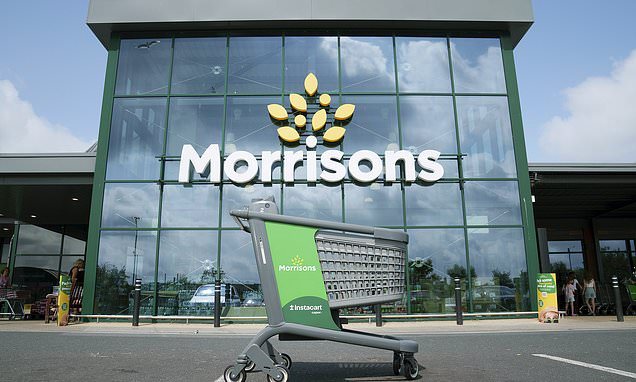
Morrisons has outpaced Sainsbury's in sales growth for the first time in five years, marking a significant shift in the UK grocery market and offering early signs of recovery for the Bradford-based supermarket chain. The milestone comes as Morrisons continues efforts to rebuild its competitive position following its acquisition by private equity firm Clayton, Dubilier & Rice in 2021.
The reversal in fortunes is notable because Sainsbury's had previously been viewed as a potential suitor for Morrisons, with speculation about a merger between the two chains circulating in recent years. For Morrisons, faster sales growth than its larger rival represents a symbolic victory and a potential turning point after a prolonged period of market share losses to discounters Aldi and Lidl, as well as to Tesco and Sainsbury's.
Industry analysts suggest the improvement reflects the impact of Morrisons' renewed focus on pricing, product availability and store investment. The chain has been working to reduce prices on essential items and improve its loyalty programme in an effort to attract shoppers back from competitors. The sales uplift also coincides with broader signs of stabilisation in the UK grocery sector, where food inflation has eased from its peak, giving supermarkets more room to compete on value rather than being forced to pass on relentless cost increases.
The news will be closely watched by investors and creditors, given Morrisons' significant debt burden following its private equity takeover. The company has been selling assets, including its petrol forecourt business, to reduce leverage. A sustained improvement in sales performance would strengthen its ability to service that debt and could pave the way for further investment in stores and technology.
Sainsbury's, meanwhile, has been pursuing its own strategy under chief executive Simon Roberts, focusing on food quality, value and its Nectar loyalty scheme. The retailer recently met with Chancellor John Healey to urge him to cut the cost of employing young people in his first budget, highlighting the pressure that rising employers' national insurance contributions are placing on the sector. Retailers including Tesco, Costa Coffee and the Co-op have made similar representations, arguing that reducing the national insurance threshold for younger workers would support job creation and ease cost pressures on high street businesses.
The grocery market remains intensely competitive, with all major players navigating a delicate balance between protecting margins and retaining customers. Morrisons' ability to sustain its faster growth will depend on whether its recent initiatives can deliver lasting improvements in customer perception and footfall. For now, the chain has achieved a rare positive headline in a sector where scale and efficiency are critical to survival.
The milestone also carries strategic implications. If Morrisons can maintain momentum, it may become a more attractive partner or acquisition target in future consolidation scenarios, though its private equity ownership and debt profile complicate any potential deal. Sainsbury's, for its part, will be keen to demonstrate that its own growth trajectory remains robust despite the quarterly comparison.
Both supermarkets are expected to report detailed financial results in the coming weeks, which will provide a clearer picture of underlying performance and whether Morrisons' sales growth advantage is a one-off or the start of a sustained trend. The UK grocery sector, worth hundreds of billions of pounds annually, remains a key barometer of consumer confidence and household spending power.
3