FIFA president Gianni Infantino under growing pressure over plan to sell World Cup stakes
Gianni Infantino faces a widening revolt, including from UEFA and Asian confederations, over plans to sell stakes in the World Cup to private investors, with calls for him to resign.
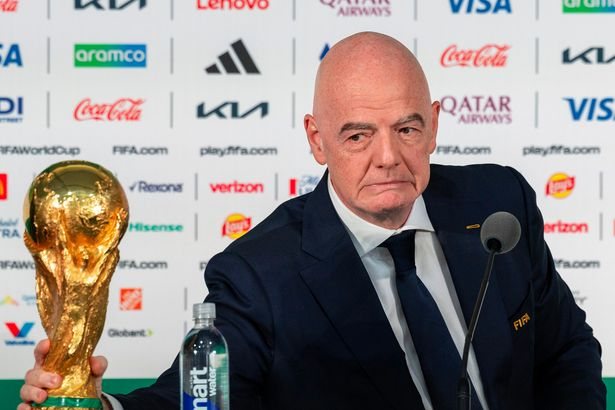
FIFA president Gianni Infantino is facing mounting opposition to plans to sell stakes in the World Cup and other FIFA tournaments to private investors, a proposal that critics say risks selling the soul of football.
FIFA said in a statement that the plan had been disrupted by incorrect media reports. But resistance has spread across the sport's governing structure, with the Asian Football Confederation joining UEFA and CONCACAF in opposing the move, leaving Infantino without a clear majority among the confederations.
The FIFA president has come under significant pressure over his handling of the tournament in the United States and over the scheme, which would allow outside investors to buy into some of the most valuable competitions in sport. Supporters of the idea argue that it would generate new income for the global game, but opponents warn that it would hand too much influence to commercial interests. Despite the setback, Infantino has vowed to press ahead with the plan.
The proposal touches on a long-running debate about ownership and control of football's biggest events. The World Cup is not only a competition but also a major source of income for hundreds of national associations, and any decision to sell a stake in it is likely to have consequences across the entire sport. That is why the plan has generated alarm well beyond the boardrooms of FIFA.
UEFA president Aleksander Ceferin, a Slovenian lawyer widely described as Infantino's most bitter rival, has emerged as one of the leading voices against the proposal. He has been backed by other confederations and national associations concerned about the long-term consequences of selling a share of the World Cup.
The backlash has also reached FIFA's own ranks. A senior adviser to the organisation has resigned, and a senior FIFA official has accused Infantino of deceiving staff over the plan, saying: «If I lose my job so be it.» The comments underline the depth of internal unease generated by a proposal that has divided football's governing bodies.
Political pressure has also increased. Andy Burnham, the mayor of Greater Manchester, has called for Infantino to resign, and the Prime Minister has told the under-fire FIFA president that he is «the wrong man» to lead football in the wake of the World Cup backlash. Burnham's intervention was among the most direct by a senior political figure and underlined the strength of feeling generated by the dispute.
FIFA continues to insist that the controversy has been fuelled by inaccurate reporting and that the plan remains under consideration. The governing body has not withdrawn the proposal, despite the scale of the revolt against it. With opposition now spanning several continents and doubts inside the organisation, the future of the plan is increasingly uncertain. The episode has also intensified scrutiny of Infantino's position, with critics arguing that another damaging fight over the commercial direction of the game could be the final nail in the coffin for his leadership. Infantino, who has been hailed by some as the «King of Soccer», now faces one of the most serious tests of his tenure.