
Small UK businesses refuse Black Friday deals, fearing damage to profits and brands
A growing number of UK small businesses are opting out of Black Friday discounting, citing concerns that price cuts will erode margins and devalue their brands.
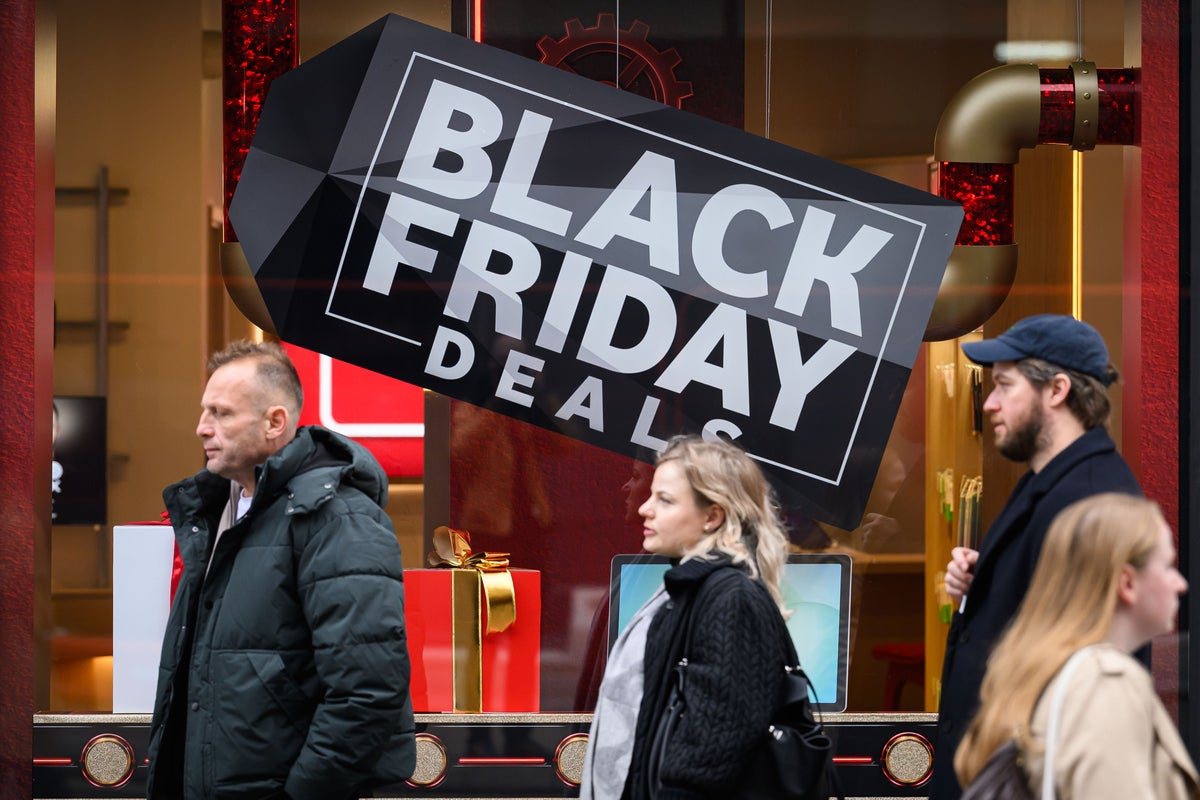
More small businesses across the United Kingdom are choosing to sit out Black Friday this year, with many owners concluding that heavy discounting will cut into profits and weaken the value of their brands. The reported figure of around two million UK small businesses opting out underlines how significant the shift has become for a segment of the economy that accounts for a large share of firms across the country.
The concern is largely financial. For a business operating on tight margins, a deep reduction in price can quickly erase the profit on each sale, and a discount that brings in more customers does not necessarily leave the company better off. Owners also worry that repeated markdowns train shoppers to wait for reductions rather than buy at full price, leaving the business dependent on promotions to generate demand. Once a company starts discounting heavily, it becomes difficult to return to regular prices without losing customers who have grown used to waiting for the next sale.
Brand considerations play a part as well. Smaller companies often sell on reputation, craftsmanship or a distinctive identity, and some believe that slashing prices sends a signal that undermines the quality they are trying to communicate. For these businesses, the decision to stay out of the discount rush is framed as a way of protecting long-term customer relationships rather than chasing a single weekend of sales. The choice reflects a view that loyalty built over months and years can be weakened by a few days of aggressive price cutting.
Black Friday remains a major event for the wider retail sector, and many shoppers still expect bargains at the end of November. Larger retailers are widely expected to run extensive promotions, and the contrast with smaller independents that decline to take part is becoming more visible. The scale of the promotional push is evident in consumer coverage of the sales period, where guides to deals span a wide range of categories. Beauty is one example, with lists of discounts on beauty tech, haircare and luxury skincare being promoted to shoppers as the event approaches.
That promotional visibility creates a difficult position for smaller firms. A business that opts out may risk losing attention to competitors that advertise heavy reductions, even as it seeks to protect its margins and its standing with customers. Whether the trend deepens in future years will depend on how margins, consumer expectations and the competitive pressure from larger rivals develop. For now, the choice of many small operators to stand aside suggests that the annual discount push is no longer accepted as a necessity by every business.
Source: independent.co.uk
22