
BP profits more than double to four-year high amid «war bonus» backlash
BP's profits more than doubled to a four-year high on the back of the Iran conflict, drawing fresh criticism from campaigners and Donald Trump as households face rising energy bills.
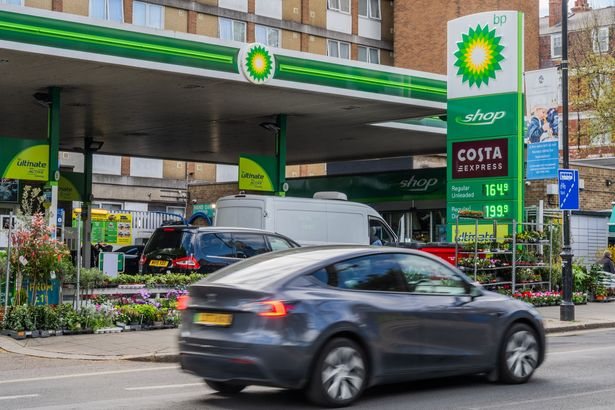
BP has reported a sharp rise in profits, with earnings more than doubling to a four-year high on the back of the Iran conflict. The results immediately drew criticism from campaigners who accused oil giants of cashing in on war while households continue to face rising energy bills.
The bumper figures were described as a «war bonus» by critics, who accused the company of being «price shock profiteers» during the conflict. They argued that BP is prioritising shareholders over the interests of workers and ordinary people, and said the war in the Middle East had become an economic disaster for families, with higher energy costs acting as a «Trump Tax» on consumers.
US President Donald Trump joined the backlash, blasting energy giants for «making too much money». His intervention comes as oil companies across the sector report bumper earnings and as the political debate over energy prices intensifies.
For British households, the timing is particularly uncomfortable. Energy bills were already under pressure, and campaigners warned that the squeeze on family budgets will intensify as the cost of energy rises. The latest profit figures have reignited the debate over what energy companies should do with their gains.
The row also carries a wider political charge. Critics have insisted that ordinary working people are being asked to pay the price of a crisis that was not of their making. The combination of soaring profits and soaring bills has once again made oil companies an obvious focus for public anger.
Beyond the energy market, the wider economy is feeling the strain. Farmers across Europe have warned of a slump in food production and rising prices as crops suffer from extreme heat, drought and wildfires. Olive groves have been particularly badly hit as the climate crisis drives temperatures across the continent to fresh record highs.
The damage to the Mediterranean harvest is expected to push olive oil prices up again after a period in which they were already at elevated levels. That would add further pressure on consumers already coping with expensive food and energy, and deepen the sense that household budgets are being squeezed from multiple directions at once.
The argument over who benefits from the conflict is unlikely to fade quickly in the months ahead. War, campaigners argue, is not only a humanitarian disaster but an economic one, and ordinary people are left to pay the price while oil executives and shareholders collect the rewards.