
Beckham Takes £39m Dividend as World Cup Brand Deals Lift Profits
David Beckham has drawn a $51m (£39m) dividend from his holding company after a summer of World Cup-linked advertising deals pushed revenue to $110.5m and profits up nearly 50%.
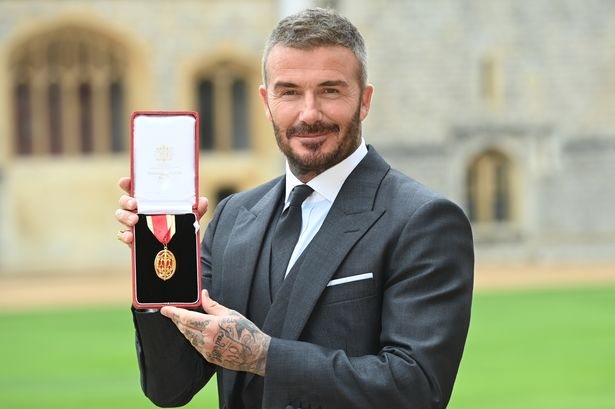
David Beckham has taken a $51m (£39m) dividend from his business empire after a run of World Cup-related brand partnerships drove record profits at his holding company. The former England captain appeared in roughly a dozen advertising campaigns during this summer's tournament in the United States, working with brands including Lenovo, McDonald's, Bank of America, Verizon and the PepsiCo crisps brand Lay's.
The scale of the payout reflects how Beckham's commercial appeal has been converted into a structured business operation rather than a series of one-off endorsements. Revenue at the holding company reached $110.5m, with profits at his brand arm climbing by nearly 50% over the year. The dividend, worth about £39m, is one of the largest single distributions from a personal brand business in the UK in recent years.
The World Cup, hosted across the United States, Canada and Mexico, provided an unusually concentrated window for celebrity-led marketing. Beckham's involvement spanned technology, fast food, financial services, telecommunications and consumer goods, giving the campaigns a reach that extended well beyond football audiences. The deals were struck ahead of and during the tournament, and their effect was visible in the company's full-year figures.
Beckham's transition from player to businessman has been gradual but deliberate. Since retiring in 2013, he has built a portfolio that includes his own brand management company, a stake in Major League Soccer side Inter Miami, and a range of licensing and partnership agreements. The holding structure allows income from those activities to be pooled and distributed to shareholders, of which Beckham is the most prominent.
The latest figures place him among the most commercially successful retired athletes in the world. While many former players rely on punditry, coaching or ambassadorial roles, Beckham's model is closer to that of a media and licensing company built around a single, carefully managed public identity. The World Cup deals reinforced that identity at a moment of peak global attention.
New commercial partnerships launched ahead of the 2026 tournament also contributed to the rise in profits, according to the company's accounts. Those agreements were signed with the expectation that the tournament would generate sustained interest in the brands involved, and the results suggest that calculation paid off. The dividend was paid out after the year-end, reflecting the strength of the balance sheet.
For the brands involved, Beckham offered a combination of sporting credibility and mainstream recognition that is difficult to replicate. His presence in campaigns across multiple markets allowed partners to reach consumers in the US, Europe and Asia with a single face. The tournament's location in North America was particularly significant, given the growing commercial importance of that market to global advertisers.
The payout also highlights the broader economics of celebrity endorsement at major sporting events. World Cups and Olympic Games create short, intense periods when advertising budgets are concentrated, and figures such as Beckham can command premium rates for their time and association. The difference for Beckham is that much of that income flows through companies he controls, rather than being earned as a straightforward fee.
No details have been released about how the dividend will be used, and the company has not commented beyond the filed accounts. Beckham continues to hold a range of business interests, and further partnership announcements are expected as the commercial cycle around the 2026 tournament continues. For now, the figures confirm that his brand remains one of the most valuable in sport, more than a decade after his final professional match.
3