Early Trials Show Cautious Promise for Stiff Person Syndrome Treatment
Early trials of CAR-T cell therapy and gene therapy have shown improvements in patients with the rare autoimmune disorder suffered by Céline Dion, but the evidence is still insufficient.
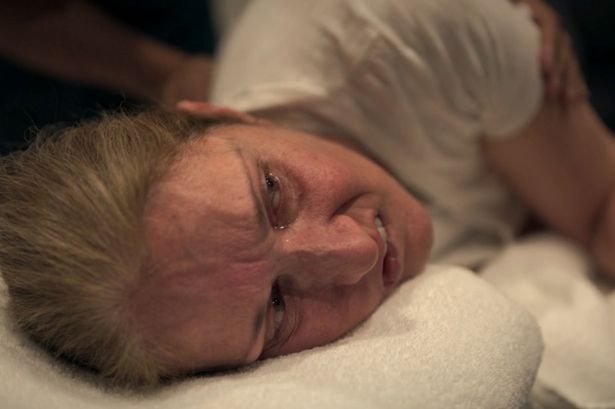
Early results from clinical trials offer cautious hope to people suffering from stiff person syndrome, a rare autoimmune disorder from which Canadian singer Céline Dion suffers. Patients in the studies received a one-time treatment based on CAR-T cell therapy, and some reports also mention an approach using gene therapy.
Stiff person syndrome affects the central nervous system and causes progressive stiffness of the whole body, as well as painful muscle spasms. The disease is rare, and despite decades of research it cannot be cured to date. That is why any data on new approaches are of particular interest to both doctors and patients' families. Dion disclosed her diagnosis in December 2022, after which the disease became widely known in society.
According to reports, some trial participants were able to return to work and resume their usual activities. Some patients reported regaining the ability to walk, which is especially important for people with severe manifestations of the disease. Such results suggest that the therapy can affect everyday life, not just individual symptoms.
At the same time, specialists emphasize that these are small, early studies, and it is too early to draw conclusions about wide use. The number of participants is limited, and they have not yet been observed over a long period, so the comparability of the results with larger groups has not been proven.
The main questions remain open. The long-term safety of the therapy and how long the effect lasts have not yet been established. Also undetermined are the potential availability of such treatment to a large number of patients and its cost. Until these questions are answered, expectations from the new methods should be considered preliminary, and treatment decisions should rely on the results of further research.
Source: theguardian.com
13