Nvidia opens internal probe into CEO over reports of alleged Chinese spy link
Nvidia says it is investigating reports, based on anonymous US intelligence sources, that businesswoman Alice Huang was a Chinese spy and had a relationship with chief executive Jensen Huang. No findings of wrongdoing have been confirmed.
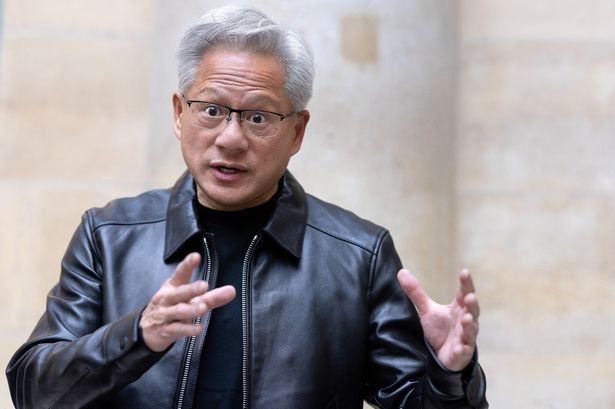
Nvidia has opened an internal investigation after a report alleged that a businesswoman named Alice Huang was a Chinese spy and linked her to a reported relationship with the company's chief executive, Jensen Huang. The chipmaker says it is looking into the claims, which have not been confirmed.
The reports were triggered by a New York Times article that cited US intelligence officials. According to the reporting, Alice Huang was working for Chinese intelligence, and the allegations describe the Nvidia chief executive as a potential target of Chinese intelligence efforts. The claims come from anonymous officials, and the newspaper's account has not been independently verified in the material available. Because the sources are not named, the allegations rest on information that the public cannot yet test against documents or on-the-record statements.
Coverage in the British press has taken differing approaches. An Independent piece framed the reports around the idea that the chief executive had been targeted by Chinese intelligence, placing the focus on the risk to the individual rather than on any personal conduct. A Daily Express headline went further, claiming the chief executive had admitted an affair. That assertion is unverified and is not supported by the reporting currently available, and it should be treated with caution. Photographs used alongside some coverage show Donald Trump and Jensen Huang at an event at the US Institute of Peace in Washington, dated October 8, 2026. Those images show the two men together at the event but do not themselves bear on the allegations.
As things stand, there have been no confirmed findings of wrongdoing. It is unclear whether the alleged relationship has been confirmed by any party, and the company has not set out what outcome its internal investigation is expected to reach or how long it will take. Nvidia has so far limited its public response to confirming that it is looking into the reports.
The stakes are significant because Nvidia is one of the most valuable technology companies in the world, and its chips are central to the global race in artificial intelligence. Questions about the leadership of a company in that position, and about whether its senior figures could be exposed to foreign intelligence pressure, carry weight beyond the company itself. Investors, regulators and policymakers are likely to watch closely, whatever the eventual findings.
The episode also highlights the sensitivity of Nvidia's dealings with China, a market that has been both commercially important and politically contested as Washington has sought to limit exports of advanced semiconductors. Any suggestion that personal ties to a Chinese national could have influenced the company's position in that market would draw scrutiny well beyond the boardroom, particularly given the national-security framing that the allegations carry.
For now, the central facts remain narrow: a newspaper report citing unnamed US officials, a company investigation that has been announced but not concluded, and a set of further claims that remain unproven. Readers should separate those verified elements from the more sensational assertions circulating in parts of the press.
Source: mirror.co.uk
6