UN warns UK aid is overlooking climate risks facing children
Unicef data suggests vulnerable children are being overlooked by UK climate aid, as the UN agency prepares to launch a campaign urging the Foreign Office to better prioritise young people.
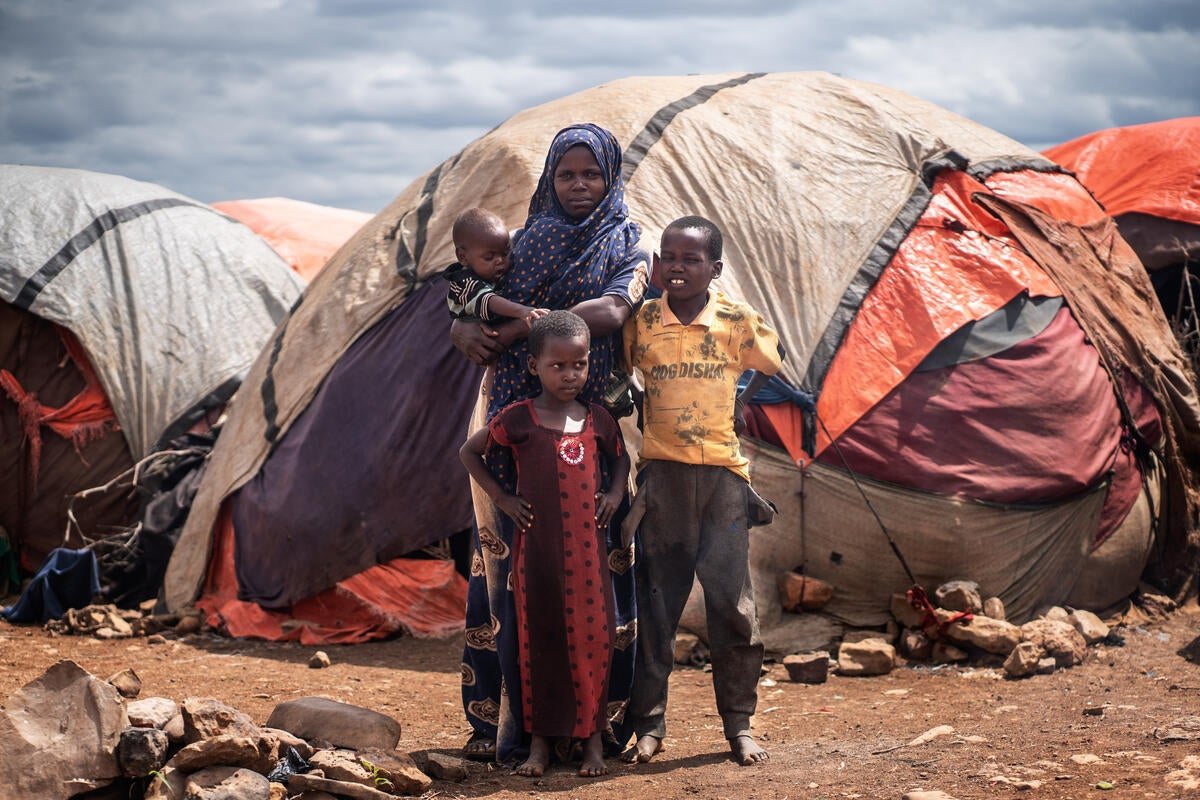
United Nations agencies have warned that vulnerable children are «falling through the cracks» of British climate aid, with fresh data from Unicef suggesting that the specific risks facing young people are being overlooked by UK funding decisions. The warning comes as the UN children’s organisation prepares to launch a major campaign calling on the Foreign Office to place children at the centre of its climate and development strategy.
According to information obtained by The Independent, Unicef has identified a significant gap between the scale of climate threats affecting children in low-income countries and the level of UK support directed toward child-focused climate programmes. The agency argues that current aid allocations do not adequately reflect the disproportionate impact that extreme weather, drought, flooding and rising temperatures have on the health, education and safety of minors.
The campaign is expected to press the Foreign Office to adopt a more systematic approach to child-sensitive climate financing. Unicef officials contend that when climate adaptation and resilience projects are designed without explicit child-focused criteria, the most vulnerable members of affected communities are frequently left out. This is particularly acute in parts of Africa and South Asia, where children make up a large share of the population and where climate shocks can disrupt schooling, nutrition and access to clean water for years.
The UK has historically been one of the largest bilateral donors on climate adaptation, but recent reductions in the overseas aid budget have intensified scrutiny over how remaining funds are prioritised. The government has defended its spending choices, arguing that British aid continues to deliver meaningful results in some of the world’s most fragile regions. However, UN officials suggest that the current portfolio does not systematically track whether children are benefiting from climate investments.
Unicef’s forthcoming push is designed to change that. The agency is expected to call for explicit child-focused indicators in UK climate programmes, as well as greater investment in services that protect children from the cascading effects of environmental breakdown. These include schools that can withstand extreme weather, health systems that respond to climate-sensitive diseases, and social protection schemes that keep families from falling into poverty after a disaster.
The warning also highlights a broader international concern that child rights are being marginalised in global climate negotiations. While governments regularly acknowledge that children are not responsible for carbon emissions yet bear the heaviest burden of climate impacts, financing commitments have not always matched those declarations. Unicef’s data is intended to provide evidence for a more targeted approach, showing where UK money could make the most measurable difference for young lives.
The Foreign Office has not yet responded publicly to the specific findings, but the campaign is likely to intensify pressure on ministers ahead of the next round of international climate finance discussions. With the UK seeking to reassert its role as a leader in global development, the treatment of child-focused climate aid is set to become a key test of whether that leadership extends to the most vulnerable populations.
64