
Uganda withdraws from Invictus Games as Prince Harry's team blames royal status letter
Uganda has pulled out of the Duke of Sussex's Invictus Games, with the country's military chief citing the 'Harry-Meghan nonsense'. Prince Harry's team has responded by blaming a letter from King Charles regarding the couple's royal status.
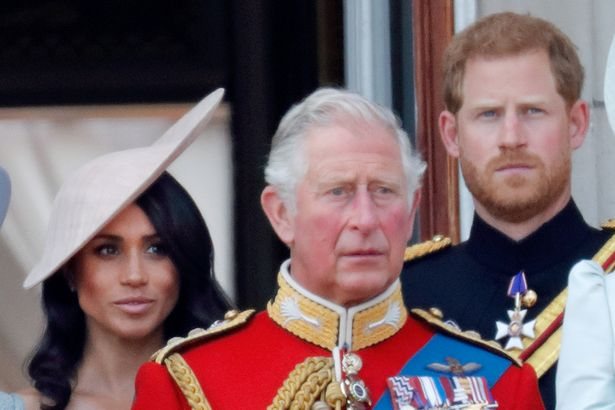
Uganda has withdrawn from the Duke of Sussex's Invictus Games, a decision announced by the country's military chief and linked to tensions surrounding Prince Harry and Meghan Markle. General Muhoozi Kainerugaba, son of the Ugandan president, made the surprise announcement in a post on X, stating the nation would no longer participate in the event due to what he described as the «Harry-Meghan nonsense».
The general's statement framed the withdrawal as an act of respect for King Charles amid the ongoing division within the royal family. The decision marks a significant setback for the Invictus Games, the international sporting event founded by Prince Harry for wounded and injured service personnel and veterans, which has sought to expand its global reach across continents including Africa.
In response, sources close to Prince Harry have reportedly blamed the King's recent guidance on the Duke and Duchess of Sussex's royal status for the development. According to those familiar with the Sussex team's position, a letter from King Charles addressing the couple's standing in the UK is seen as a contributing factor to the diplomatic fallout. The team's reaction suggests that the formal clarification of Harry and Meghan's roles, issued as they spend more time back in Britain, has had unintended consequences on the Duke's charitable and public engagements.
The withdrawal raises questions about the future of the Invictus Games' expansion strategy and the intersection of royal family dynamics with international diplomacy. Uganda had been viewed as a potential host or key participant for future editions of the Games, which have previously been held in the UK, the United States, Canada, and Australia. The loss of Ugandan participation represents a tangible impact of the personal and institutional rifts within the British monarchy on a global stage.
The Invictus Games organisation has not yet issued a formal statement regarding Uganda's decision. However, the incident underscores how the ongoing narrative surrounding the Duke and Duchess of Sussex continues to affect Prince Harry's independent initiatives. The King's letter, intended to clarify protocol and titles, has instead become a point of contention in the eyes of the Sussex camp, who view it as an escalation of the family dispute with real-world ramifications.
General Kainerugaba's post did not elaborate on the specific nature of the «nonsense» to which he referred, but his wording aligns with a broader sentiment expressed by some international figures who have grown weary of the publicised family disagreements. The general's loyalty to the British Crown, expressed through this decision, highlights the complex web of allegiances and perceptions that royal figures navigate in their overseas relationships.
As the Invictus Games continue to grow as a symbol of resilience for veterans worldwide, the political and personal controversies surrounding its founder now appear to be influencing participation decisions. The coming weeks may reveal whether other nations follow Uganda's lead or whether diplomatic efforts can mend the rift before the next scheduled Games.
65