
Trump Rejects Seven-Day Iran Ceasefire and Taunts Tehran Over Strait of Hormuz
US President Donald Trump has reportedly turned down a seven-day ceasefire proposal from Iran and told staff he expects to resume hostilities after the November midterms, while posting a map image renaming the Strait of Hormuz as the «Trump Strait».
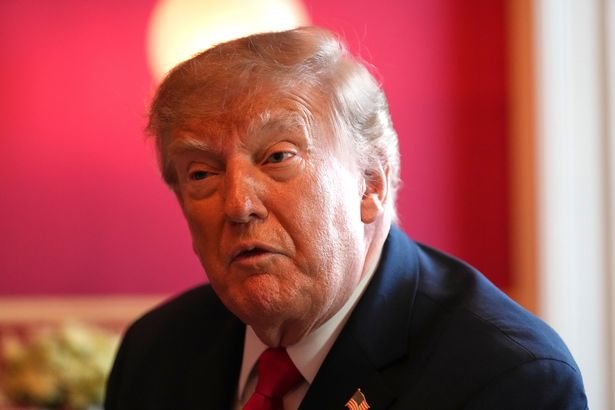
US President Donald Trump has rejected a seven-day ceasefire proposal put forward by Iran and has told his staff that he expects to resume military hostilities once the November midterm elections are over, according to reports. The decision, first reported by the Wall Street Journal, marks a sharp escalation in the US-Iran conflict and signals that Washington is preparing for a longer confrontation rather than a negotiated pause.
The ceasefire plan, which Tehran presented as a route to reopening the Strait of Hormuz, was dismissed by the White House. The strait is the world's most important oil chokepoint, carrying roughly a fifth of global petroleum supplies, and its closure has already pushed energy markets into turmoil. Iran's proposal would have seen the waterway reopened under a temporary truce, but the offer was turned down in favour of continued military pressure.
Minutes after the ceasefire was rejected, Trump posted an image on social media showing the Strait of Hormuz relabelled as the «Trump Strait». The post was widely read as a deliberate provocation aimed at Tehran and at domestic audiences, and it quickly became the most shared element of the story. The image carried no formal policy announcement, but it underscored the president's personal framing of the conflict.
According to the Wall Street Journal, Trump has told advisers he does not want to be seen as ending the war on terms that could be portrayed as a concession to Iran. Instead, he has indicated that military operations will continue, with a possible pause in place until after the midterms to avoid political fallout during the campaign. The timing has raised questions about how far electoral calculations are shaping the conduct of the war.
The conflict has already reshaped global energy flows. With the Strait of Hormuz effectively closed to normal traffic, oil prices have climbed and shipping companies have rerouted tankers around the Cape of Good Hope, adding weeks to journeys between the Gulf and European markets. Insurers have raised war-risk premiums for vessels in the region, and Gulf states have accelerated work on pipeline bypasses that can carry only a fraction of the volumes normally moved by sea.
Iran's proposal for a seven-day truce was presented as a humanitarian and economic measure, allowing repairs to damaged infrastructure and the partial restoration of shipping. It was not clear from the reports whether the plan included any political conditions or a longer-term framework. The rejection suggests that Washington is not currently seeking a negotiated exit, and that any pause in fighting will be driven by US domestic politics rather than by the terms on offer from Tehran.
European governments, which have been pressing for de-escalation, are likely to be unsettled by the prospect of renewed hostilities after the midterms. The war in Iran is already weighing on the UK and EU economies through higher energy costs, and any further disruption to Gulf shipping would add to inflationary pressure. The Chagos Islands and other overseas basing questions have also become entangled in the wider strategic debate, as allies reassess their exposure to a prolonged conflict.
For now, the immediate signal from Washington is that the ceasefire is off the table and that the military campaign will continue. The «Trump Strait» post may be remembered as a piece of political theatre, but it also reflects a real decision: the United States is not ready to trade a pause in fighting for a reopening of the world's most critical oil route.
12