
Tower Hamlets residents lose High Court challenge over Chinese mega-embassy
A High Court judge has dismissed a challenge by Tower Hamlets residents against Government approval for China’s new mega-embassy in London. Campaigners say the fight is not over.
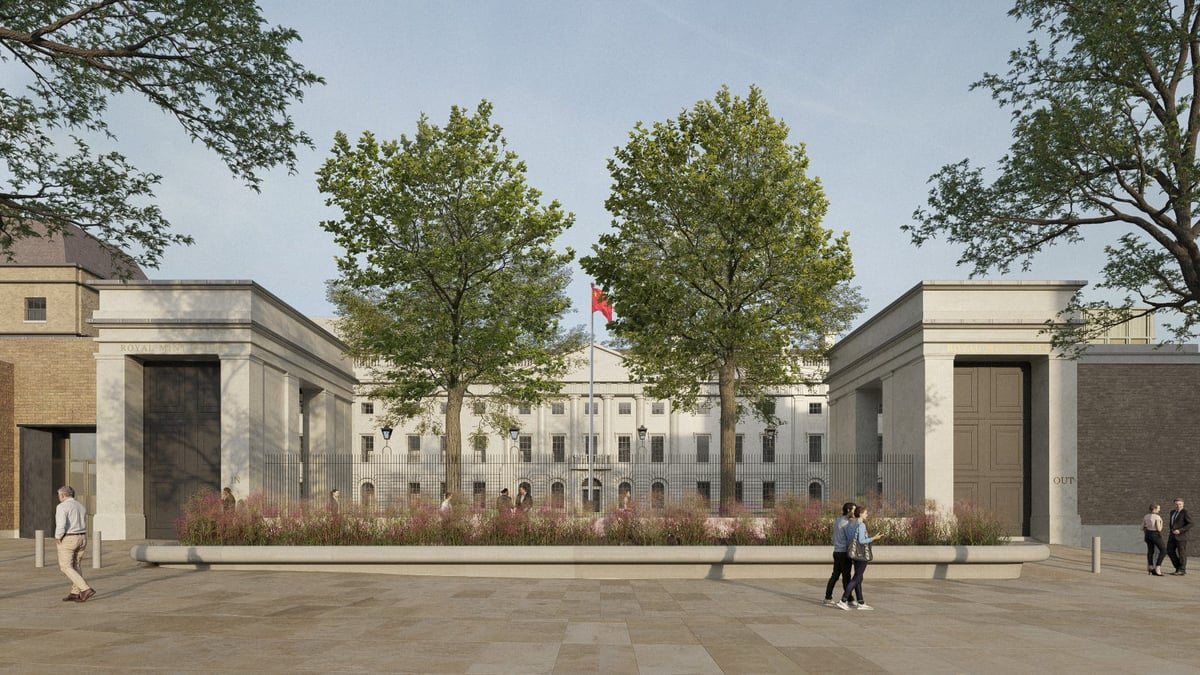
Residents in Tower Hamlets have lost a High Court challenge against Government approval for a new Chinese mega-embassy in London, after judges rejected a legal bid to overturn planning permission for the controversial project.
The ruling upholds a decision that was taken by ministers despite strong local opposition and warnings from critics that the embassy could be turned into a huge spying centre. The site is in the east London borough of Tower Hamlets, where the proposed diplomatic compound has become one of the most contested planning issues in the capital.
The legal action was brought by residents who argued that the planning process had not properly considered the risks, including the possibility that the compound could be used for espionage. They also said the scale and security footprint of the development were incompatible with life in a densely populated neighbourhood.
Campaigners reacted with defiance after the judgement. «It doesn’t change the fact that a fortress doesn’t belong in our community,» they said, vowing to continue their fight against the scheme.
The High Court ruling is the latest development in a controversy that has transformed a planning application into a major national security debate. Critics of the project say it would give Beijing a strategic foothold in London and could turn the city into a «power centre» for China.
The project has become known as a mega-embassy because of its size, and opponents have repeatedly warned that a diplomatic compound of this kind could be used for intelligence-gathering activity. Those concerns were at the heart of the challenge considered by the court, but the judges concluded that the Government’s approval was lawful.
The decision means that, unless a further legal challenge is mounted, the planning permission will remain in place. Opponents may now look for other ways to block or delay the development, and campaigners have given no indication that they are ready to accept the outcome.
The controversy reflects a broader debate about foreign influence in Britain. While embassies are a normal part of international life, the size and location of this proposal have made it exceptional. What began as a local planning dispute has grown into a story about security, diplomacy, and the relationship between the British state and Chinese interests.
The case has also highlighted the tension between international diplomacy and local planning control. Embassies are protected by diplomatic norms, but they are still required to go through the normal planning system, and the case has raised questions about how much weight national security concerns should carry in such decisions.
For the residents who brought the case, the judgement is a serious setback after a long campaign. They have argued throughout that a project of this magnitude should not be imposed on a community without fuller scrutiny and a clearer explanation of its consequences.
The immediate practical effect of the ruling is that the Government’s approval stands. But the wider argument over the embassy is unlikely to disappear. The description of the building as a fortress in the middle of a community continues to shape the debate, and the political fight over the Chinese mega-embassy in London appears far from over.