
The Patriot bottleneck is becoming a strategic supply-chain crisis
Ukraine’s winter demand, U.S. stock pressures and European readiness needs are colliding in a missile market that cannot expand fast enough.
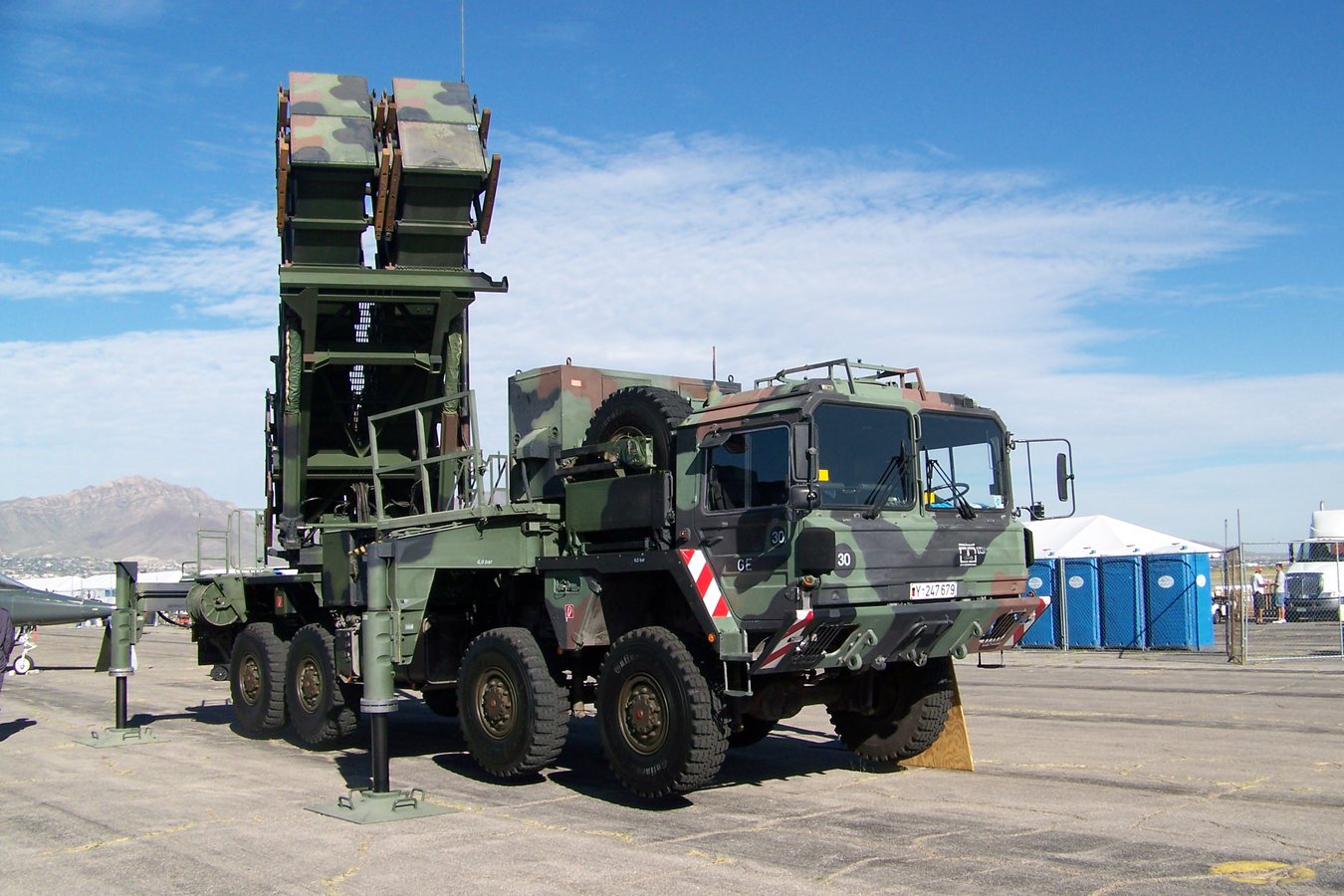
The Patriot interceptor shortage is no longer a narrow procurement issue. It is becoming a strategic supply-chain crisis linking the war in Ukraine, U.S. global commitments and Europe’s attempt to rebuild its own air-defense posture. The common constraint is physical output: too many governments need the same high-end missiles before industry can manufacture enough replacements.
A report attributed to Politico says Germany, Poland, Spain and Greece are reluctant to run down their Patriot stocks because the United States cannot quickly refill them. That is the strategic logic of a constrained network. A transfer to Ukraine improves defense at the point of current Russian attack, but it also reduces resilience elsewhere until the production system catches up.
Ukraine’s winter requirement illustrates the scale. European defense commissioner Andrius Kubilius estimated roughly 700 PAC-2 and PAC-3 missiles for four months. Lockheed Martin delivered 620 PAC-3 MSE interceptors in 2025. The company has agreed with the U.S. government to lift annual PAC-3 MSE capacity from around 600 to 2,000, but the framework runs for seven years and depends on investment throughout the supplier base.
The European leg of the chain is also expanding. Germany is financing a contract for several hundred Patriot missiles for Ukraine. RTX says its new GEM-T facility in Schrobenhausen will support the Ukrainian order and strengthen supply-chain resilience. This matters strategically because it gives Europe more industrial depth instead of forcing every additional unit of demand back into a U.S. queue.
For the next winter, however, the network still depends on inventory redistribution. Kyiv asked nearly 40 partner states in July to transfer Patriot missiles from existing stocks and take replacement later from already contracted production. That is a classic bridge mechanism in a supply crisis: use available inventory to cover the immediate shock while new capacity is built behind it.
The difficulty is that every node in the network has its own threat model. Poland needs missile defense on NATO’s eastern flank. Germany is rebuilding national readiness and supporting alliance deployments. Spain and Greece maintain their own air-defense requirements. The United States must allocate scarce interceptors across several theaters. A central planner could simply redirect the stock to the highest current threat, but the transatlantic system is made of sovereign governments, each accountable for its own risk.
The most important supply-chain variable is therefore not only total factory capacity but replacement confidence. If a government believes a donated missile will sit unreplaced for years, it will protect its warehouse. If contracts, production slots and financing are visible, the same government has more room to move current stock. Industrial planning and alliance burden-sharing have become parts of the same decision.
Russia is exploiting the timing mismatch. A major attack on Kyiv in early August went through without Ukrainian interceptions of the ballistic missiles in the salvo. The Financial Times said on August 11 that Russia produces around 70 ballistic missiles a month and fired 198 in the preceding month. That means the Western supply chain is racing not against an abstract target but against an adversary’s active production and launch cycle.
The long-term solution is obvious: more production, more distributed capacity and larger standing inventories. The immediate solution is politically harder. Europe and the United States have to decide how much scarcity to share with themselves in order to prevent Ukraine from carrying almost all of it during the months before new factories can change the balance.
93