The Balkans’ Russia travel corridor is narrowing as EU visa rules spread
Montenegro will require visas from Russians in November, while Serbia still offers 30 visa-free days. Belgrade’s EU-alignment plan means the remaining Serbian exception is increasingly strategic rather than permanent.
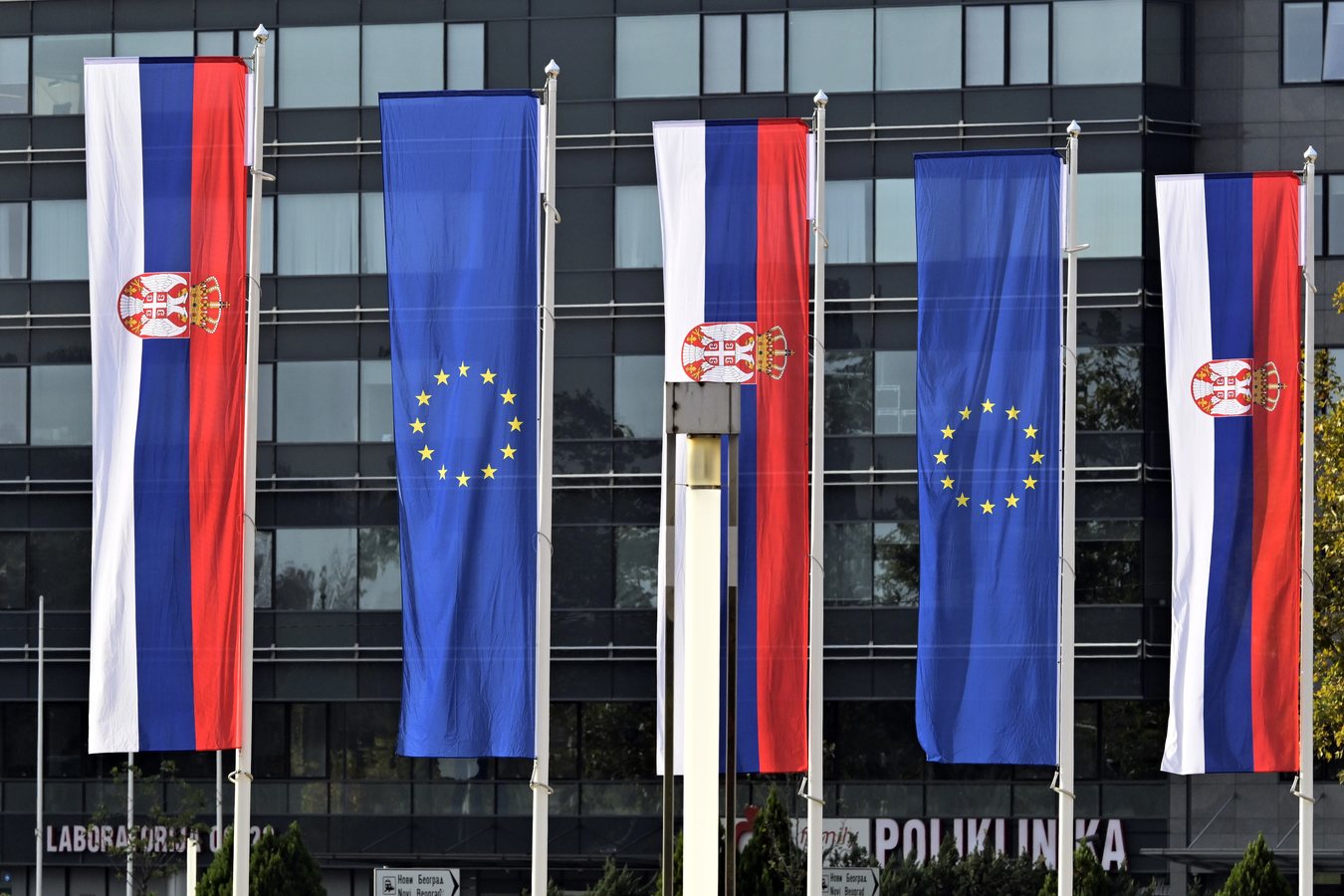
A familiar travel corridor for Russian citizens in the Balkans is beginning to narrow. Montenegro has decided to require visas from Nov. 1, while neighboring Serbia still allows holders of ordinary Russian passports to enter visa-free for up to 30 days. The contrast is not merely about tourism. It reflects the different speeds at which Western Balkan candidates are absorbing the European Union’s external-border and visa rules.
Serbia’s current position is unambiguous at the border. Its Foreign Ministry still lists Russia as visa-free for ordinary passport holders staying no more than 30 days. Belgrade has not announced a decree setting a date for ending the arrangement. Yet the strategic environment around the rule has changed.
The European Commission has already identified Russia as part of Serbia’s visa-policy divergence. In its sixth report under the visa suspension mechanism, the Commission said Serbia maintained visa-free arrangements with 16 countries whose citizens were on the EU’s visa-required list, including Russia. Serbia adopted a harmonization plan in November 2023 and indicated that full alignment for those countries would occur one year or six months before EU accession. Brussels called for faster progress.
Montenegro has now converted the same kind of alignment pressure into a specific border rule. Its government adopted a decree on July 23 requiring visas from citizens of Russia, Belarus, China, Saudi Arabia and Türkiye from Nov. 1. Podgorica presented the decision as full alignment with EU visa policy, satisfaction of a closing benchmark in Chapter 24 and implementation of its Reform Agenda.
That change affects the geography of mobility. Once Montenegro imposes visas, Serbia will stand out more clearly as an accessible destination for Russian travelers in a region moving toward EU rules. That can preserve commercial value for airlines, hospitality companies, property markets and cross-border services, but it also makes Serbia’s divergence more visible in accession negotiations.
Belgrade is already discussing the relevant systems with Brussels. In April, Interior Minister Ivica Dačić met EU Commissioner Magnus Brunner to discuss irregular migration, border management and visa-policy harmonization. Serbia said it remained committed to continued alignment with EU standards in home affairs. This is the institutional route through which a future visa change would emerge.
The year 2027 is often used as shorthand for Serbia’s European timetable, but the shorthand can mislead. Serbian officials have spoken of completing the major reforms required for EU membership by 2027. That is not a guaranteed EU accession date and it is not a fixed date for Schengen entry. The visa question can therefore move earlier or later depending on negotiations, political choices and the sequencing of reforms.
Russia makes the issue particularly strategic because Serbia has tried to maintain room for relations with Moscow while pursuing European integration. Visa-free access is a small rule compared with foreign-policy alignment or sanctions, but it is tangible: it affects real people at the border and provides Brussels with a measurable test of legal convergence.
Montenegro’s decision has not forced Serbia to act, but it has changed the regional baseline. If Belgrade later imposes visas on Russians, the move will not be an isolated travel restriction. It will mark another step in the re-routing of the Western Balkans away from exceptional national arrangements and toward a common European external-border system. Until then, Serbia remains the important exception: 30 visa-free days, with no announced end date.
63