
Prolonged Drought Affects Southern and Eastern Germany
Germany is experiencing persistent drought, particularly in the southern and eastern regions, due to a lack of rainfall since last autumn, according to the Helmholtz Centre for Environmental Research.
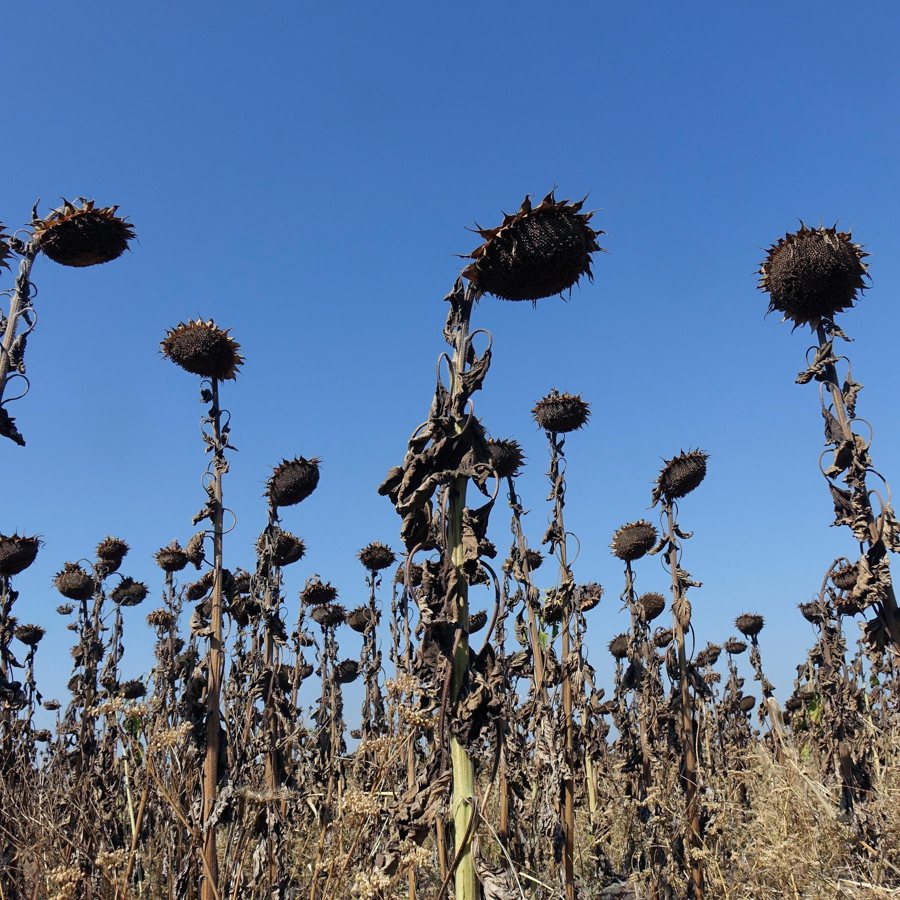
Germany is grappling with a prolonged drought that is particularly severe in the southern and eastern parts of the country, according to the Helmholtz Centre for Environmental Research (UFZ). The lack of rainfall since last autumn has left soils parched, raising concerns about water availability, agriculture, and ecosystems. The UFZ, a leading environmental research institution, has been monitoring soil moisture levels across Germany and reports that the situation is worsening as the dry spell continues into the spring season.
The drought is most acute in regions such as Bavaria, Saxony, and Brandenburg, where soil moisture deficits are significantly below average. In these areas, the topsoil has become extremely dry, affecting plant growth and increasing the risk of wildfires. The UFZ's drought monitor, which tracks soil moisture in various layers, indicates that the upper soil layers are particularly affected, with some areas experiencing conditions comparable to the severe drought years of 2018 and 2019. This has prompted local authorities to implement water-saving measures and to advise farmers to adjust their planting strategies.
The consequences of the drought are already visible in the agricultural sector. Farmers in the affected regions are reporting stunted crop growth, particularly for winter wheat and rapeseed, which rely on adequate soil moisture during the spring growing season. The German Farmers' Association has expressed concern that without significant rainfall in the coming weeks, harvest yields could be substantially reduced, leading to economic losses. Additionally, the dry conditions have heightened the risk of forest fires, with several small blazes reported in Saxony and Brandenburg in recent weeks. Firefighters have been on high alert, and some regions have imposed bans on open fires and barbecues in forests.
The drought also poses challenges for water management. In parts of eastern Germany, groundwater levels have dropped, and some municipalities have issued warnings about potential water shortages for households and businesses. The UFZ has noted that the drought is not limited to Germany but is part of a broader pattern of dry weather affecting central and eastern Europe. Climate scientists attribute this trend to changing weather patterns linked to global warming, which are making droughts more frequent and intense. The lack of precipitation since autumn has been compounded by higher-than-average temperatures in some months, accelerating evaporation and further depleting soil moisture.
Looking ahead, the UFZ's forecasts suggest that the drought could persist if the coming weeks do not bring substantial rainfall. The agency's drought monitor uses data from a network of weather stations and satellite observations to provide near-real-time assessments of soil moisture. While some short-term relief is possible from isolated showers, the overall outlook remains concerning. The German Weather Service (DWD) has also noted that the long-term forecast does not indicate a return to normal precipitation levels in the immediate future, meaning that the drought could deepen.
In response, the German government has begun to assess the situation and consider support measures for affected farmers and communities. The Federal Ministry of Food and Agriculture has indicated that it is monitoring the drought closely and may activate emergency aid programs if conditions worsen. Environmental groups are calling for more sustainable water management practices and investments in drought-resistant crops to mitigate the impacts of future dry spells. The UFZ emphasizes that the current drought underscores the need for improved monitoring and adaptation strategies to cope with the increasing frequency of extreme weather events driven by climate change.
The situation in Germany is part of a wider European drought crisis. Neighboring countries such as Poland, the Czech Republic, and Austria are also experiencing dry conditions, with similar impacts on agriculture and water resources. The European Drought Observatory has flagged several regions as being at risk, highlighting the transboundary nature of the problem. As the spring progresses, all eyes will be on the weather, with farmers, water managers, and policymakers hoping for rain to alleviate the growing pressure on the environment and the economy.
98