
Nepal-Tibet floods death toll reaches 626 as nearly 3,000 remain missing
Rescue teams in Nepal and Tibet continue searching for survivors after devastating floods killed at least 626 people and left nearly 3,000 missing. Helicopter operations have been suspended due to weather, while Chinese authorities report the risk of a glacial lake bursting has decreased.
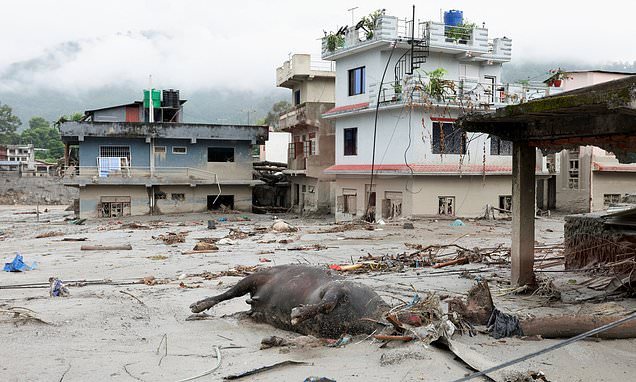
Rescue workers and military personnel are working around the clock in Nepal and Tibet after devastating floods killed at least 626 people and left nearly 3,000 missing, officials confirmed. The disaster, which struck on Wednesday, has overwhelmed local communities and prompted an international response as survivors grieve for relatives and homes swept away by the water.
Nepalese authorities believe the death toll could rise further, with approximately 2,500 people still unaccounted for in Nepal alone. Among the missing are 33 British nationals, according to official figures, as a UK rescue team arrived in the region to assist with search and recovery operations. Chinese rescuers working at the border crossing have reported finding nothing but ruins, with the scale of destruction hampering efforts to locate survivors.
Helicopter rescues have been temporarily suspended due to adverse weather conditions, complicating efforts to reach isolated communities in the mountainous terrain. Helicopters had played an important role in evacuating survivors and delivering supplies to areas cut off by the floods, and their grounding marks a significant setback for the rescue operation.
Chinese authorities said today that the risk of a lake formed after a glacier collapse bursting near the China-Nepal border has decreased, as its size appears to have shrunk. Satellite images from Thursday morning suggest that water in the lake, which straddles the border at the confluence of two rivers, has been slowly flowing through and gradually decreasing the reservoir, state broadcaster CCTV reported, citing the Water Resources Ministry.
The floods have left a trail of destruction across the region, with survivors describing the sudden onset of the disaster and the loss of everything they owned. Local officials are now seeking international help to identify and store the dead, as the number of casualties overwhelms existing facilities. The task of recovering bodies from the debris and mud is expected to continue for days, if not weeks.
The disaster has drawn attention to the vulnerability of glacial lakes in the Himalayas, which are formed by melting glaciers and can burst suddenly, releasing massive volumes of water downstream. Climate scientists have warned that rising temperatures are increasing the frequency and severity of such events, though the immediate focus remains on the humanitarian response.
International aid has begun to arrive, with rescue teams from several countries joining the effort. The UK team's arrival adds to the multinational operation already underway, as workers sift through rubble and mud in search of survivors. Local communities, many of whom have lost their homes and livelihoods, are being housed in temporary shelters while authorities assess the full extent of the damage.
Officials have cautioned that the final death toll may not be known for some time, given the difficulty of accessing remote areas and the number of people still listed as missing. The search and rescue operation continues, with workers racing against time to find any remaining survivors before the window for rescue closes.
55