Iranian Officials Call for Revenge After U.S. Strikes Kill Ayatollah Khamenei
Senior Iranian officials are calling for revenge against the United States and Israel following the killing of Ayatollah Ali Khamenei, as a new wave of attacks disrupts shipping through the Strait of Hormuz and draws Bahrain into the conflict.
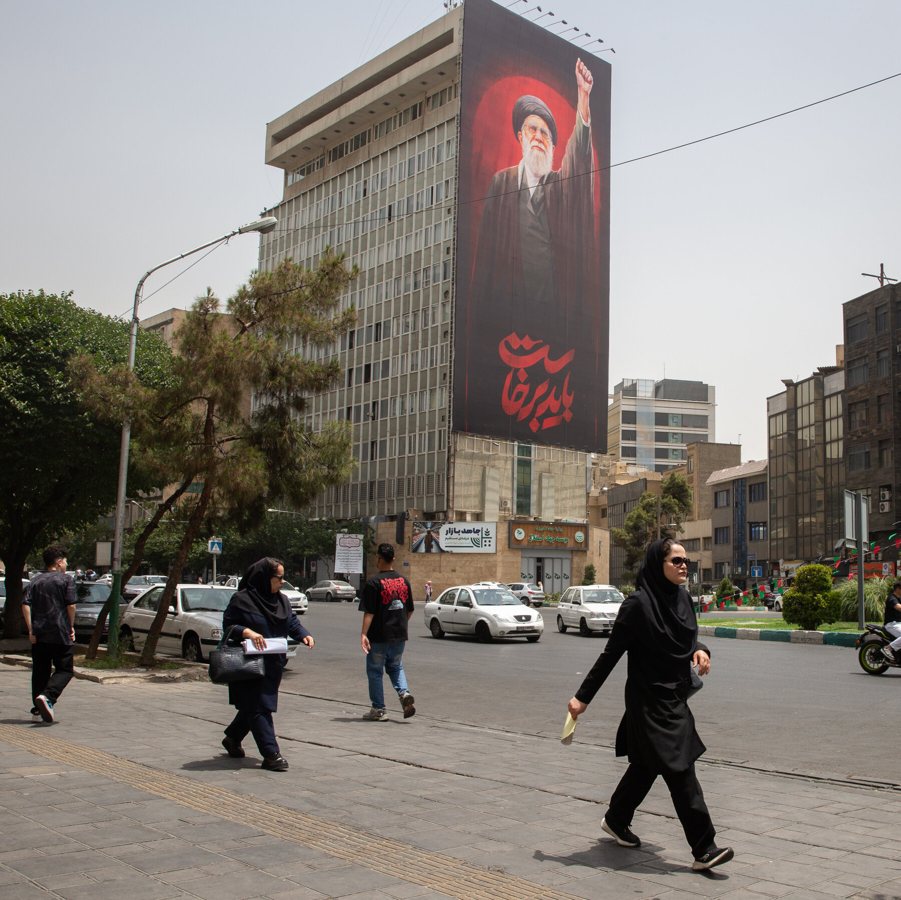
Senior Iranian officials have called for revenge against the United States and Israel following the killing of the late supreme leader, Ayatollah Ali Khamenei, as a new exchange of attacks pushes the region into deeper uncertainty. The escalation marks a significant intensification of hostilities, with Tehran vowing retaliation and launching fresh strikes against what it described as U.S. military facilities and infrastructure in Bahrain.
The latest wave of violence comes after the United States conducted a series of strikes against Iranian targets, which reportedly killed Khamenei. In response, Iranian leaders have publicly demanded retribution, framing the supreme leader’s death as an act of aggression that must be answered. The situation has rapidly deteriorated, with both sides trading attacks and diplomatic channels appearing increasingly ineffective.
On Sunday, traffic through the Strait of Hormuz, a critical waterway for global oil shipments, plummeted to its lowest level in a month, according to a marine intelligence firm. The sharp decline in crossings reflects the growing instability in the region, as commercial shipping faces heightened risks from military operations. The strait, located between Iran and the Arabian Peninsula, is a vital chokepoint through which about one-fifth of the world’s petroleum passes. Any sustained disruption could have significant implications for global energy markets.
Bahrain’s military has accused Iran of targeting civilians in its latest attacks on the kingdom. In a statement, the general command of Bahrain’s military said that Iran continues its systematic hostile approach through heinous attacks with missiles and drones that target civilians. It added that air defenses intercepted and destroyed a number of Iranian aerial attacks earlier on Sunday. The accusations highlight the widening scope of the conflict, which now directly involves Bahrain, a key U.S. ally in the region and home to the U.S. Navy’s Fifth Fleet.
The United States launched a new attack wave on Iran on Sunday, with Tehran responding by stating that diplomacy has proven futile. The exchange of strikes has effectively ended any remaining hopes for a negotiated settlement, as both sides appear committed to military action. The U.S. strikes were reportedly aimed at degrading Iran’s ability to launch further attacks, but they have also galvanized Iranian hardliners who see the conflict as an existential struggle.
The killing of Khamenei, who had served as Iran’s supreme leader for decades, represents a profound shock to the country’s political and religious establishment. His death has created a power vacuum and intensified calls for revenge among senior officials and military commanders. Analysts warn that the situation could spiral into a broader regional war, drawing in other actors such as Hezbollah in Lebanon and various militia groups in Iraq and Syria that are aligned with Iran.
The conflict has also raised concerns about the safety of civilian populations in the region. Bahrain’s military emphasized that Iran’s attacks deliberately targeted civilians, a charge that Tehran has denied. The kingdom has been a frequent target of Iranian rhetoric and proxy actions, but the latest direct strikes represent a significant escalation. Bahraini authorities have called for international support to counter what they describe as Iranian aggression.
The disruption of shipping through the Strait of Hormuz is already having economic repercussions. Oil prices have risen sharply in response to the instability, and insurance premiums for vessels transiting the region have increased. Shipping companies are rerouting cargoes where possible, adding costs and delays to global supply chains. The situation remains fluid, with no immediate prospect of de-escalation.
International reactions have been mixed. The United States has defended its strikes as necessary to protect its interests and allies, while European and Asian nations have called for restraint and a return to diplomacy. However, with Tehran declaring diplomacy futile and Washington signaling continued military readiness, the path to a ceasefire appears uncertain. The United Nations has urged both sides to avoid further escalation, but its appeals have so far gone unheeded.
The coming days are likely to see further exchanges of fire, as Iran seeks to avenge Khamenei’s death and the United States aims to prevent Iranian retaliation from succeeding. The conflict has already reshaped the strategic landscape of the Middle East, with long-term consequences for regional stability, global energy security, and international relations. As the situation develops, the world watches with growing concern.
90