
From Rotterdam to Kyiv, Ukraine Is Repatriating a Political Memory
The Konovalets reburial shows how Ukraine is turning scattered European graves into a state-run memorial network, using diplomacy, protocol and a new national cemetery to connect past independence movements with the present.
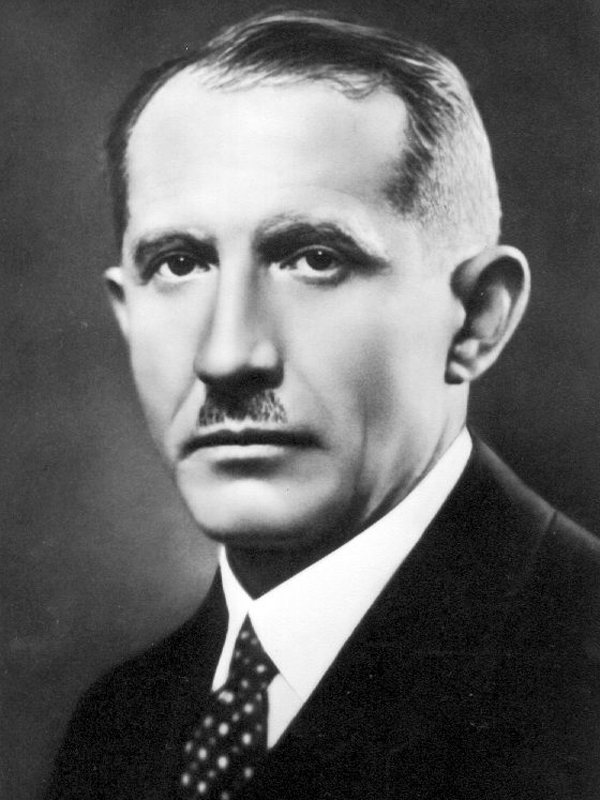
The planned transfer of Yevhen Konovalets from Rotterdam is a small logistical operation with a much larger political meaning. A report on Aug. 11 said his remains had been exhumed at Crooswijk Cemetery for transport to Ukraine. Official Ukrainian and Rotterdam channels had not separately announced completion of the exhumation by early evening, but the state architecture around the move is already fully visible.
Ukraine’s Cabinet of Ministers issued Order No. 703-r on July 15, assigning specific functions to ministries and institutions. The Foreign Ministry handles Dutch permissions and international transport. The veterans and defense institutions are involved in the reburial and military honors. Commemorative events are planned at the border, in Kyiv and at the National Military Memorial Cemetery.
This is therefore not a private transfer of remains. It is a state-managed repatriation, and the choice of destination is as significant as the transport itself. The National Military Memorial Cemetery is being developed as a central site for people whom the Ukrainian state connects to the long struggle for sovereignty.
Konovalets fits that narrative directly. He was a colonel in the Army of the Ukrainian People’s Republic and later became the first leader of the Organization of Ukrainian Nationalists in 1929. His political network operated across borders because the Ukrainian state project had failed and many of its activists lived in exile.
The Soviet Union also treated those networks as a security target. Konovalets was assassinated in Rotterdam on May 23, 1938. Ukraine’s Foreign Intelligence Service, citing archival material, identifies NKVD officer Pavlo Sudoplatov as the operative and says the mission was carried out on Stalin’s instructions. The burial at Crooswijk was therefore the endpoint of a transnational conflict between a Soviet state and a stateless nationalist movement.
Nearly nine decades later, the balance of institutions is reversed. Independent Ukraine now has diplomatic representation in the Netherlands, a government capable of negotiating exhumation permits and a national cemetery designed to receive the remains. Rotterdam confirmed in May that the Ukrainian embassy had formally approached the municipality about the grave.
The case also reveals a broader network. In May, Ukraine repatriated Andriy Melnyk and Sofia Fedak-Melnyk from Luxembourg. The presidential office said the process would continue with other historical figures buried abroad. European cemeteries are thus becoming nodes in a new state policy of memory, with diplomatic missions functioning as the practical bridge between old exile communities and institutions in Kyiv.
For international observers, the key point is not whether every historical interpretation of Konovalets is shared. The OUN’s history is politically contested, and later branches of the movement became central to some of Europe’s most difficult wartime debates. The present action is about how the Ukrainian state defines continuity and sovereignty in its own memorial policy.
That policy is emerging during a major war, which gives the symbolism additional force. Reburying 20th-century independence figures beside the institutional memory of contemporary defenders presents Ukraine’s statehood as a continuous project interrupted by occupation and restored through successive generations.
The next stage will make that symbolism public. Once the remains leave Rotterdam, the route into Ukraine, the ceremonies and the final burial will turn a diplomatic process into a national event. The transfer is therefore not merely from one cemetery to another; it is from an old transnational network of exile to a new state-controlled center of memory.
68