
From Penal Colony to Front Line: Russia’s Female Recruitment Route Draws Abuse Allegations
A wartime pipeline that moved women from prison into military medical units is now the subject of sexual-abuse allegations, highlighting how Russia’s manpower strategy concentrates power over vulnerable recruits.
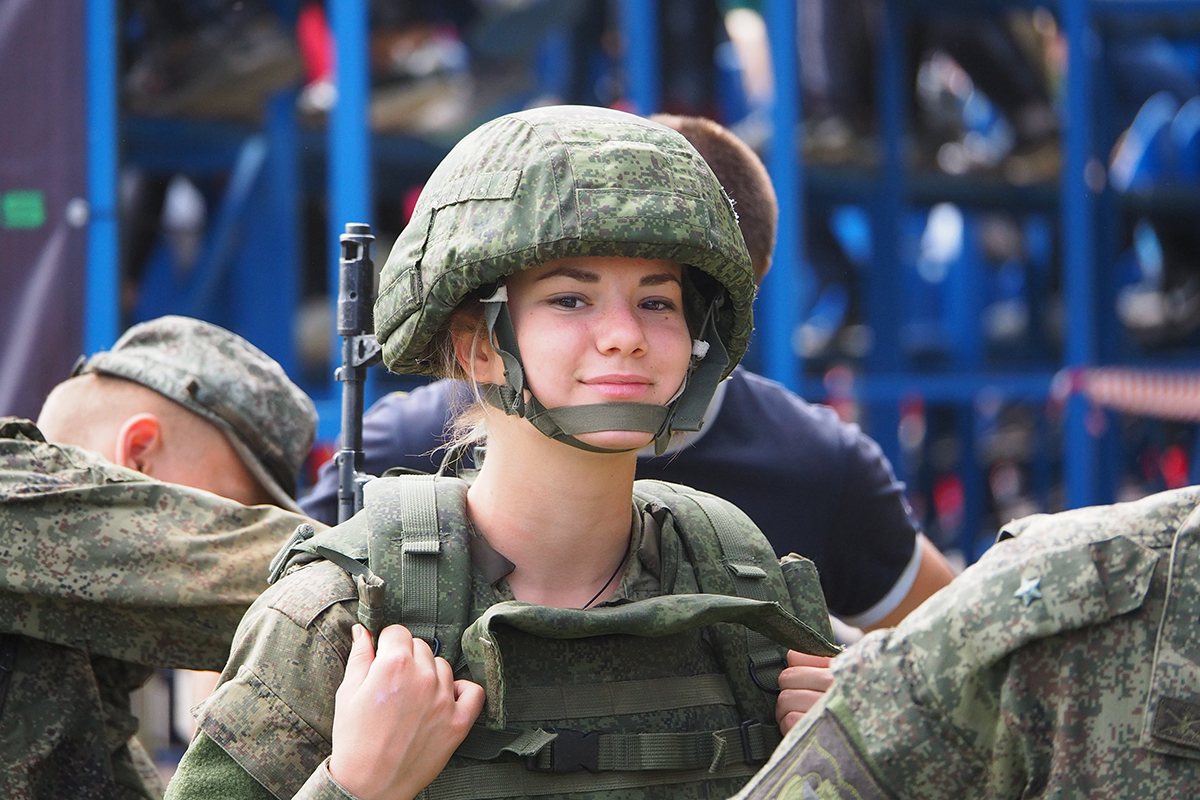
Russia’s wartime recruitment network has linked prisons, military contracts and frontline units into a single route for manpower. Verstka’s latest investigation examines what that route meant for women: a promised exit from incarceration followed by service in a hierarchy that controlled their location, safety and future, and allegations that some commanders exploited that control for sex.
The women in the recruitment wave described by the outlet were offered one-year contracts, monthly pay starting at 220,000 rubles, injury compensation and release from the remainder of their sentences. Several hundred were trained and deployed as military medics in the war against Ukraine, according to Verstka.
The system’s strategic logic is straightforward. Prison populations provide a pool of recruits who have powerful reasons to accept dangerous work. But those same incentives create leverage after enlistment. A safer hospital posting, a forward deployment and the expectation of release can become bargaining chips in a hierarchy where the recruit has little room to walk away.
One woman told Verstka that a commander offered to keep recruits at a hospital if they visited him at night, rather than send them closer to the front. Some women agreed. The source said they later discovered he could not actually determine their postings. The alleged exchange illustrates how perceived authority may be enough to generate coercion even when the promised benefit is beyond the officer’s real power.
Lyudmila Poltarakova describes a more direct abuse of rank. She told Verstka that regimental commander Sergey Zhitkov summoned her to give massages and later became aggressive. Poltarakova alleges he raped her in February 2025 and continued the sexual violence in March. No publicly available court judgment has established Zhitkov’s guilt.
She also alleges that she was later expected to provide sexual services to another senior serviceman. After a confrontation, she was transferred to a different medical battalion, but says she was forced to sign a statement denying that Zhitkov had abused her. Poltarakova said she signed because she feared what refusing would mean for her service.
In June 2026, according to Verstka, Poltarakova filed a rape complaint with a military prosecutor. Her story then intersected with the mechanics of frontline deployment. On June 30, a separate publication identified her as a member of the 370th Separate Medical Battalion and carried an appeal in which she said more than 80 convicted women had signed Defense Ministry contracts. She described women working as medics in evacuation teams at the front.
On July 1, the same outlet reported that Poltarakova said she had received an urgent order to deploy forward and feared she could be killed. Verstka later said she was alive and at the front. It also reported a criminal case against her for refusing a combat order and said no criminal case had been opened over her rape complaint. Publicly accessible procedural documents independently establishing those two statuses have not been found.
The prison-to-war route predates the 2024 phase in the new investigation. Current Time reported in March 2023 that women prisoners were being recruited, including by Defense Ministry representatives. RFE/RL later interviewed a woman who enlisted from a prison colony in summer 2023 and worked as a nurse in the Donetsk region. She described unwanted advances and recruitment terms that did not match the reality of service.
That chronology matters strategically. It suggests the system had time to encounter and learn from the particular risks facing female prisoners before the later recruitment wave. Yet the latest allegations describe familiar vulnerabilities: unclear promises, dependence on commanders and weak separation between disciplinary power and mechanisms for reporting abuse.
Poltarakova’s case now sits at the intersection of Russia’s manpower policy and military justice. What happens next will indicate whether the state can investigate allegations produced by its own recruitment route without allowing deployment orders and discipline to become tools that silence the people who entered through it.
69