
Europol warns museum heists turning more violent as thieves recruited on social media
Europol warns that museum thefts are becoming increasingly violent, with criminals recruited via social media and shifting focus to precious metals, jewels, and cultural artefacts for higher profits.
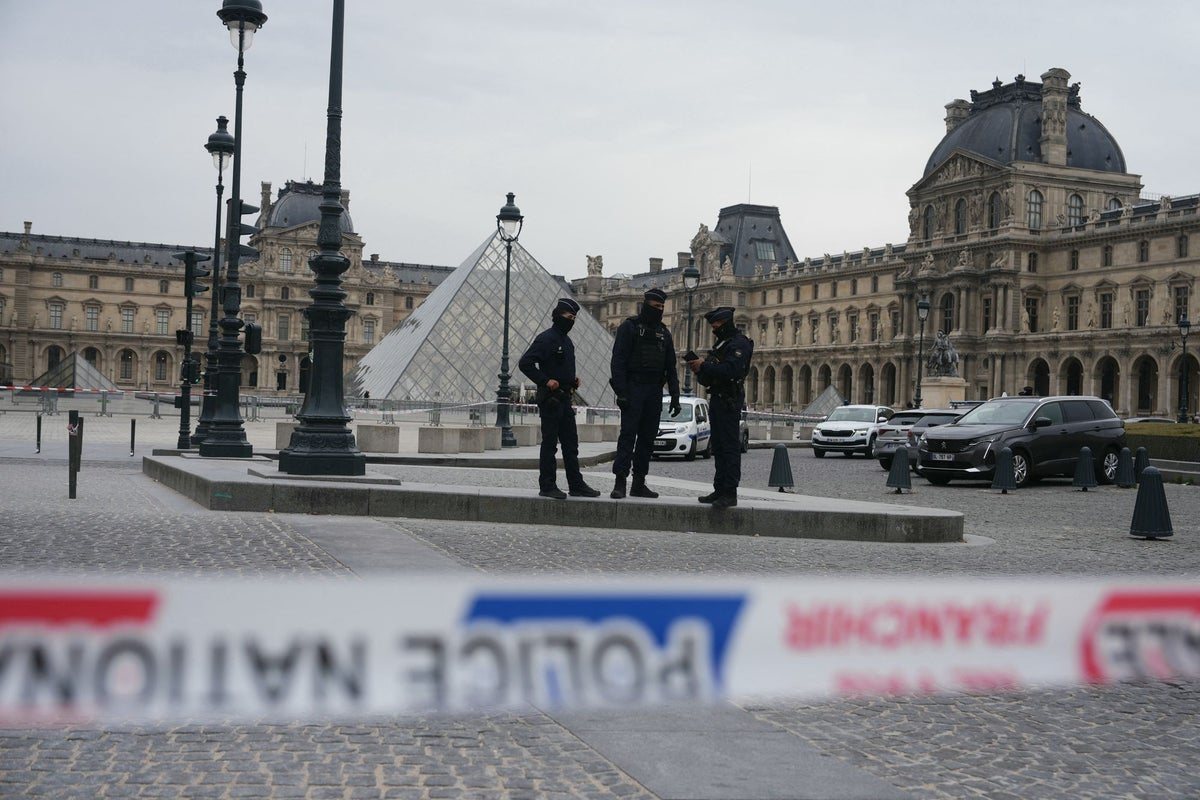
Art thieves are becoming more violent and are increasingly recruited through social media platforms, according to a new report from Europol, the European Union's law enforcement agency. The agency warned that museum heists are evolving, with criminals adopting new strategies and shifting their attention toward precious metals, jewels, and cultural artefacts that offer greater financial returns.
The report highlights a concerning trend in which organised crime networks use social media to identify and recruit individuals for theft operations targeting museums and cultural institutions. These recruits are often drawn into criminal activity through online engagement, with perpetrators then employing more aggressive tactics during the commission of thefts. Europol's analysis points to a growing willingness among thieves to use violence, marking a departure from the traditionally stealthy approach associated with art and artefact theft.
Beyond the rise in violence, the agency noted a strategic pivot in the types of items targeted. Rather than focusing exclusively on famous paintings or high-profile artworks that are difficult to sell on the open market, criminals are increasingly targeting precious metals, jewellery, and other cultural artefacts. These items are considered more attractive because they offer greater profitability and are often easier to liquidate without attracting immediate attention.
The shift in focus reflects a broader change in the criminal landscape surrounding cultural property. Items such as gold artefacts, antique jewellery, and historically significant objects can be melted down, resold, or traded through networks that are harder for authorities to trace. Europol's warning underscores the challenges faced by museums and law enforcement agencies across Europe as they work to protect cultural heritage from increasingly sophisticated and ruthless criminal operations.
The agency's findings come amid heightened awareness of the vulnerabilities of cultural institutions. Museums have long been considered targets for theft, but the new report suggests that the nature of these crimes is changing. The combination of social media recruitment and a preference for high-value, easily movable goods presents a fresh challenge for security officials tasked with safeguarding collections.
Europol's report serves as a call to action for cultural institutions to reassess their security measures and for law enforcement to adapt to the evolving tactics of criminal networks. The agency emphasised the need for international cooperation to track stolen goods and dismantle the networks behind these increasingly violent heists.
56