
Eucalyptus plantations in Brazil create ‘green desert’ that dries rivers and displaces families
Large-scale eucalyptus plantations in Brazil, promoted since the 1980s as a cheap and fast-growing reforestation solution, have turned into an ecological and social crisis, drying up water sources, reducing biodiversity, and forcing local communities off their land.
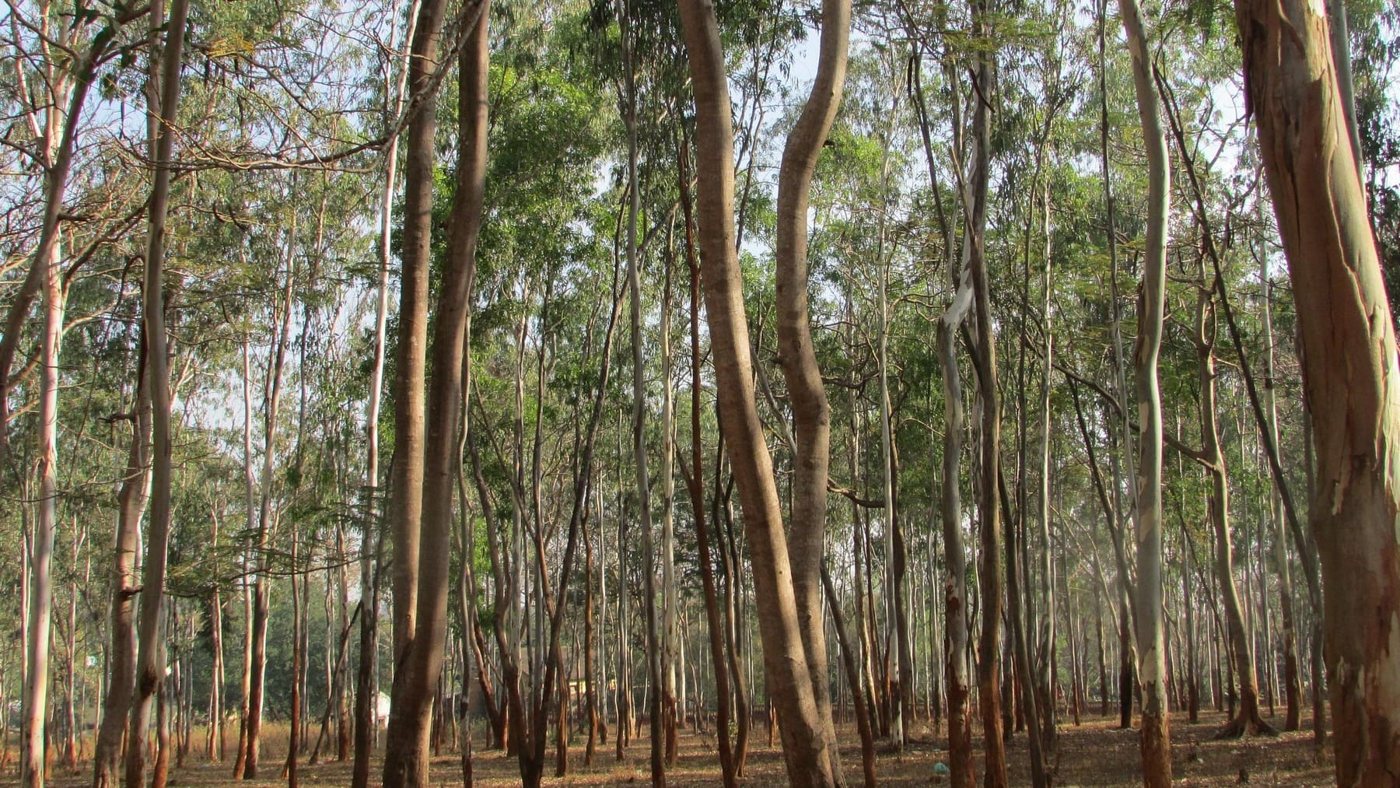
Large-scale eucalyptus plantations in Brazil, promoted since the 1980s as a cheap and fast-growing reforestation solution, have turned into an ecological and social crisis, drying up water sources, reducing biodiversity, and forcing local communities off their land. What was once seen as a simple way to boost the economy through timber, cellulose, and charcoal production has created what experts and local residents now call a «green desert» — vast, uniform stretches of trees that do not function like natural forests.
In the states of Minas Gerais and Bahia, the consequences are becoming increasingly severe. In Minas Gerais alone, eucalyptus plantations cover approximately 1.4 million hectares. In the southern part of Bahia, the expansion of these plantations since the 1980s and 1990s has reached about 600,000 hectares in the so-called cellulose valley. These are not small plots; they are enormous blocks that transform the landscape, replacing native cerrado vegetation, farmland, and pasture with rows of eucalyptus trees.
The environmental impact is dramatic. Eucalyptus trees consume large amounts of water, and in dry regions this pressure is especially noticeable. In Minas Gerais, studies have linked the plantations to an additional water consumption of about 230 liters per square meter compared to the native cerrado, and a drop in the water table of around half a meter per year. The most affected areas are the «veredas» — humid zones that act as natural sponges, recharge aquifers, and help sustain streams. When these areas degrade, the loss is not only ecological but also agricultural.
Families that once irrigated their crops — rice, corn, sugarcane — and depended on wells or cisterns now face water rationing or must buy water. The loss of water sources has also led to the disappearance of springs and a reduction in stream flow. The plantations simplify the soil, reduce biodiversity, and eliminate the traditional uses that many families had for the cerrado, such as grazing livestock and gathering native plants.
The social cost is equally high. In Minas Gerais, communities have reported the use of agrochemicals, plantations near water sources, loss of common areas, precarious working conditions, and the displacement of small farmers to less fertile land. The expansion of eucalyptus plantations has made agriculture less viable, pushing families out of areas they have inhabited for generations. The «green desert» is not just an environmental problem; it is a driver of rural exodus and social inequality.
The case of eucalyptus in Brazil illustrates how a poorly managed reforestation project can cause extensive economic and environmental damage. While the trees produce valuable cellulose and timber, the long-term costs — depleted water resources, degraded soil, and displaced communities — are increasingly difficult to ignore. The experience serves as a cautionary tale for other regions considering large-scale monoculture plantations as a quick fix for deforestation or economic development.
In recent years, some local movements and researchers have called for a shift toward more sustainable land-use practices, including the restoration of native vegetation and agroforestry systems that combine trees with crops and livestock. However, the scale of the existing plantations and the economic interests behind the cellulose industry make change slow and contested. The «green desert» continues to expand, and with it, the water crisis and social displacement deepen.
79