
Biden sighting puts health, privacy and political legacy back in focus
A reported church appearance in Delaware followed Hunter Biden’s candid remarks about his father’s cancer pain. The episode highlights how a former leader’s illness can remain politically resonant without being a current matter of state capacity.
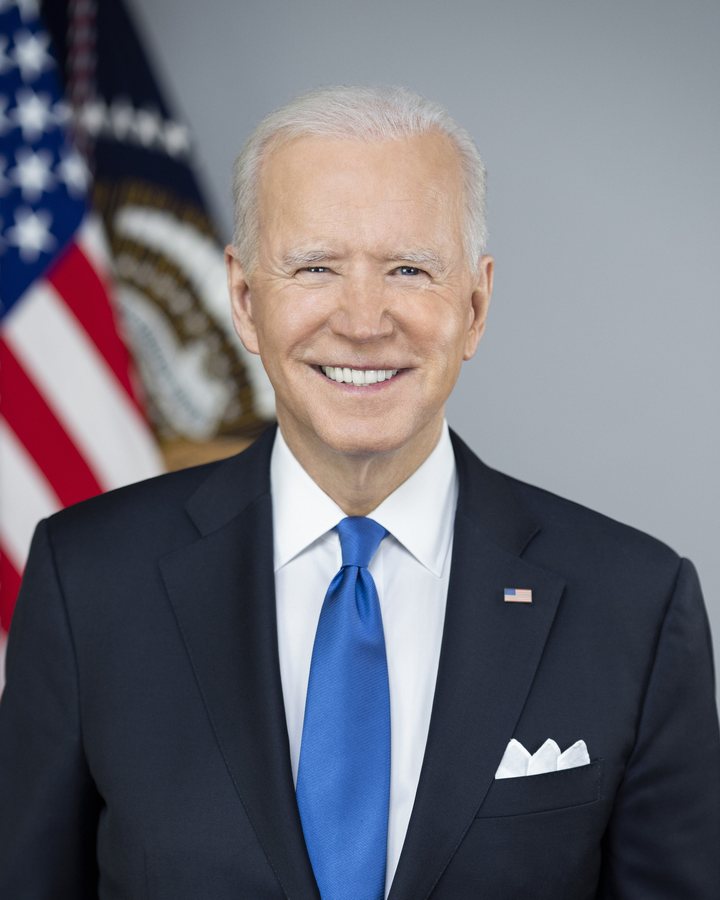
A short reported sighting of Joe Biden in Wilmington has reopened a much larger conversation about the relationship between health, political legacy and privacy after power. The Telegram channel Ateo Breaking says the former US president was filmed on Saturday leaving Mass at St. Joseph on the Brandywine and walking toward a vehicle. The clip appeared a day after Hunter Biden described his father’s metastatic prostate cancer as painful and debilitating.
The video’s exact date and provenance have not been independently verified by MAIR. No second indexed report has confirmed that the scene was recorded on Aug. 8, and the claim that this was Biden’s first public appearance after Hunter’s interview remains unproven. The church’s official calendar does confirm a 5 p.m. Saturday vigil Mass that day.
What makes the episode globally interesting is not the walk itself, but the changing status of Biden’s health as a political fact. During his presidency, physical capacity had immediate institutional implications. Every debate over stamina, cognition or medical transparency was connected to executive authority. In 2026, Biden is a private citizen and former president, yet the same imagery continues to circulate through a political lens.
That persistence reflects the unresolved history of his final years in office. Age and health were central to debates inside the Democratic Party and across the electorate. Cancer was diagnosed only after he left office, but the new illness inevitably becomes part of how the public reads his post-presidential life. Hunter’s remarks add a family perspective that official political communication rarely provides.
The underlying diagnosis has been public since May 2025. Biden’s office said he had prostate cancer with a Gleason score of 9, Grade Group 5, and metastasis to bone. It also said the cancer was hormone-sensitive. He later received hormone treatment and radiation. In July 2026, Biden said treatment was going well, while detailed recent clinical data have not been released.
The National Cancer Institute explains that metastatic hormone-sensitive prostate cancer can be treated with androgen-deprivation therapy and additional systemic agents. Bone metastases can cause significant pain. Those facts help reconcile two images that might otherwise seem contradictory: a patient may be receiving effective treatment and still live with pain or fatigue; he may attend a church service and still have serious metastatic disease.
The church itself also matters. St. Joseph on the Brandywine is a longstanding parish for Biden and his family. Independent photographs show him attending Mass there on June 13, 2026. If the Aug. 8 clip is authenticated, it would fit an established personal routine rather than signal a formal political comeback.
For international audiences, former leaders occupy an unusual space. They no longer make binding state decisions, but they retain influence through memory, networks, endorsements, fundraising, writing and symbolic appearances. Health therefore changes the pace at which they can participate without automatically becoming a constitutional issue. In Biden’s case, illness appears to be narrowing the form of public life rather than eliminating it.
That distinction should shape coverage. There is public value in reporting an important former leader’s confirmed diagnosis, treatment and statements from his family. There is less value in turning an unverified clip or a visible gait into an amateur medical assessment. The strategic significance of a former president’s health is real only where it connects to actual political activity or institutional consequences.
Hunter’s interview may ultimately matter more than the sighting because it changes the public language around the illness. Until now, much of the official discussion emphasized treatability and response. A son describing pain shifts attention toward quality of life. That does not mean a new medical deterioration has been established; it means the public has been given a more intimate account of what advanced cancer can involve.
The story is therefore about boundaries as much as about Biden. The boundary between public and private information. The boundary between political relevance and medical curiosity. The boundary between a confirmed diagnosis and a social-media inference. Those lines become harder to maintain around people who have spent decades under cameras.
For now, the verified record supports a restrained conclusion: Biden continues treatment for metastatic prostate cancer; his son says the disease causes serious pain; he has continued selected activities, including previously documented church attendance; and a new clip is being presented as an Aug. 8 church exit. Beyond that, prognosis and progression remain matters for clinical evidence, not political optics.
51