
Argentina’s Wamani Bet Links Geopolitical Distance to Private Resilience
The ranch is a small but revealing node in a larger strategy: wealthy entrepreneurs are treating South America, local energy and offline computing as insurance against systemic conflict.
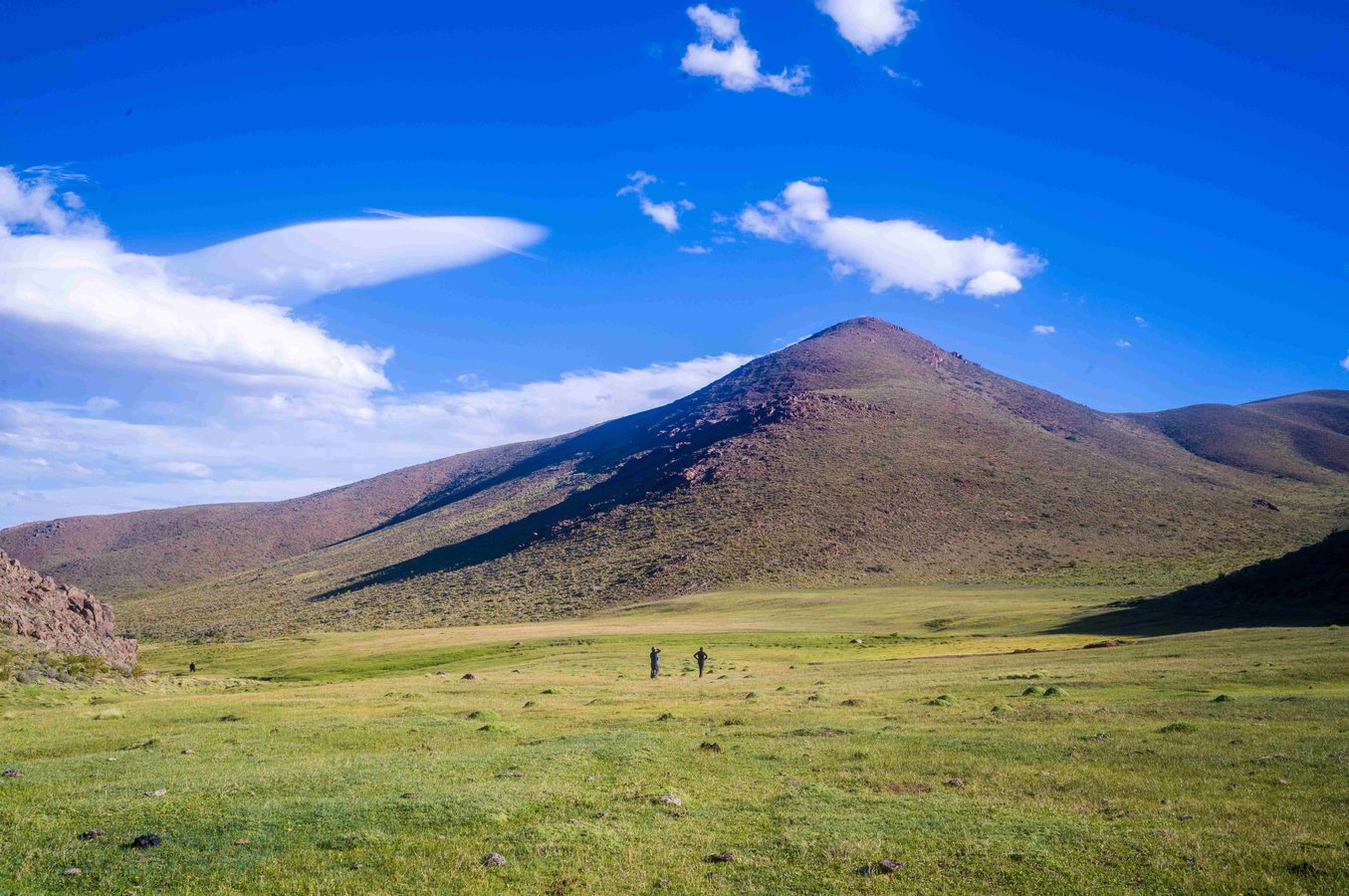
Wamani is not a geopolitical institution, but the logic behind it is geopolitical from the first hectare. The 32,000-hectare ranch in Mendoza was acquired by Martín Varsavsky and five partners after Javier Milei’s election, and it is being developed around a proposition that wealthy investors increasingly take seriously: distance from major conflict zones can itself be a strategic asset.
The property sits near the Andes in western Argentina. It now includes small homes, geodesic domes, solar power and an airstrip. Wamani’s official website says it also has basic Starlink connectivity and markets the estate as a remote tourism destination. The owners intend to add cattle and have considered expanding onto neighboring land suitable for crops.
Their digital contingency plan follows the same logic. Varsavsky told the Financial Times that the group is studying whether it can download large language models onto computers powered by solar energy. If global servers failed, local models would preserve a limited layer of computing and stored knowledge. That would not replace the global internet, but it could reduce dependence on cloud infrastructure at the moment when international networks are most disrupted.
The ownership group connects Argentina’s refuge thesis to global technology capital. Varsavsky owns 50%. The Financial Times names OLX co-founder Alec Oxenford, who serves as Argentina’s ambassador in Washington, and Kind founder Dan Lubetzky among the five partners. Lubetzky is a billionaire, while Varsavsky’s fortune is estimated at about $700 million. The viral phrase “billionaires’ ark” therefore captures the wealth around the project but not the exact status of every participant.
The reported cost is almost $10 million so far, according to Varsavsky. Claims that more than $10 million has already been spent go beyond the Financial Times account. Because construction is continuing, that distinction could disappear over time, but it matters in describing the project today.
Varsavsky has also tried to translate the refuge thesis into national policy. He has proposed what he calls a “tranquility visa” for wealthy people seeking the right to move to Argentina during a major global war. The Milei government is separately developing a citizenship-by-investment program. These are different proposals, but both treat mobility and legal access as part of the infrastructure of security.
In that sense, Wamani is a physical endpoint in a broader route. Capital first seeks a politically acceptable jurisdiction. It then acquires land, transport access and energy. Food production and water reduce logistics exposure. Local computing creates another layer of redundancy. The project is less a bunker than a private supply chain compressed into one geography.
Yet no route is independent of its environment. Mendoza is arid, and the Financial Times notes strong Andean winds that can periodically make the exposed property difficult to use. Local water sources, solar panels and an airstrip still require maintenance, labor and replacement parts. Even a deliberately isolated site depends on systems beyond its boundary.
Wamani’s tourism operation is therefore strategically relevant. The official site lets visitors inquire about stays and advertises meals, activities and transport. The owners are considering Airbnb. Normal commercial use keeps infrastructure active, staffed and maintained rather than freezing it as an emergency-only asset.
The project’s significance is not that a handful of entrepreneurs can escape every conceivable disaster. They cannot. It is that private capital is beginning to map geopolitical risk into land, mobility, energy and data at the household or consortium level. Wamani turns a worldview into infrastructure: if global networks are fragile, build smaller networks you can control. That logic is likely to matter well beyond one ranch in the Andes.
52