
Drumcree Stand-off Ends After Protesters Told of New Process
A tense stand-off in Northern Ireland over the Drumcree Orange Order parade has dispersed after protesters were told a new process would address the long-running dispute. The march was approved to go down the nationalist Garvaghy Road for the first time in almost 30 years, prompting political appeals for calm.
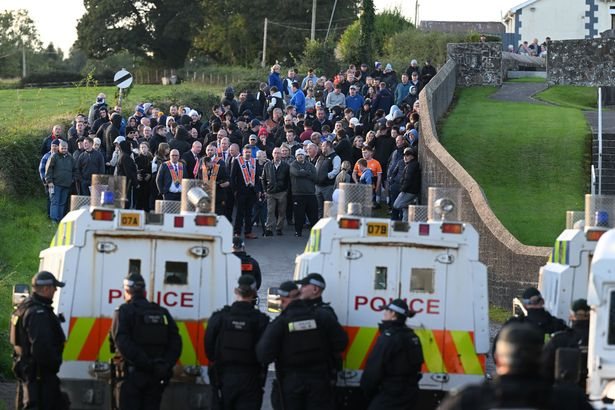
A tense stand-off in Northern Ireland over the contested Drumcree Orange Order parade has ended after protesters dispersed when they were told a new process would be established to address the long-running dispute. The confrontation had erupted after the Orange Order assembled to walk the Drumcree parade route, with the march approved to go down the nationalist Garvaghy Road in Portadown for the first time in almost 30 years.
The decision to permit the parade along the largely Catholic Garvaghy Road was taken late at night and has been described as «madness» by critics. The late approval sparked immediate tensions, with thousands of protesters blocking the Orange Order march and a significant police operation underway. The stand-off raised fears of a return to the kind of civil unrest that once made Drumcree a flashpoint during the Troubles.
The Drumcree parade has faced a prohibition since 1998, having been linked to major civil unrest during the Troubles. Its return to the Garvaghy Road represents a significant and controversial shift in the long-standing dispute over the route. The stand-off on Sunday saw the Orange Order assemble to walk the route, but the situation was defused after protesters were informed of a process to address the underlying issues.
Northern Ireland Secretary Chris Bryant appealed for calm on all sides as the stand-off developed. Greater Manchester Mayor Andy Burnham also appealed for «calm on all sides» as protesters blocked the march. The escalating political row over the parade is set to test the stability of the powersharing institutions in Belfast, with Sinn Féin and the DUP among the stakeholders in the devolved administration.
The Police Service of Northern Ireland managed the operation as the stand-off unfolded. The involvement of the Northern Ireland Secretary and the appeals from senior political figures underscored the sensitivity of the situation. The fact that the parade was approved for the Garvaghy Road for the first time in almost three decades marked a departure from the prohibition that has been in place since 1998.
The announcement of a «process» to address the Drumcree dispute appears to have been the key factor in persuading protesters to disperse. The nature and scope of that process have not been detailed, but its mere announcement was enough to end the immediate confrontation. The stand-off had drawn attention from across the UK and Ireland, given the historical significance of the Drumcree parade and its association with civil unrest.
The political row over the parade is expected to continue, with the stability of the powersharing institutions in Belfast at stake. The involvement of Sinn Féin and the DUP, as well as the Court of Appeal, indicates the legal and political complexity of the dispute. The late-night approval of the loyalist march along the largely Catholic Garvaghy Road has been widely criticised, and the decision to allow it has reignited tensions that many had hoped were consigned to the past.
With the protesters now dispersed, attention turns to the promised process and whether it can provide a durable resolution to a dispute that has simmered for decades. The Drumcree stand-off has long been a symbol of the broader challenges of parading and community relations in Northern Ireland. The events of Sunday demonstrated how quickly tensions can flare, but also how a political intervention can defuse an immediate crisis.
6