
A Family Visit Exposed the Reach of Russia’s Treason Prosecutions
Ivan Stolbov lived in Ukraine and made small donations there, but his Russian citizenship and a trip to Yekaterinburg brought the conduct into a 13-year treason case.
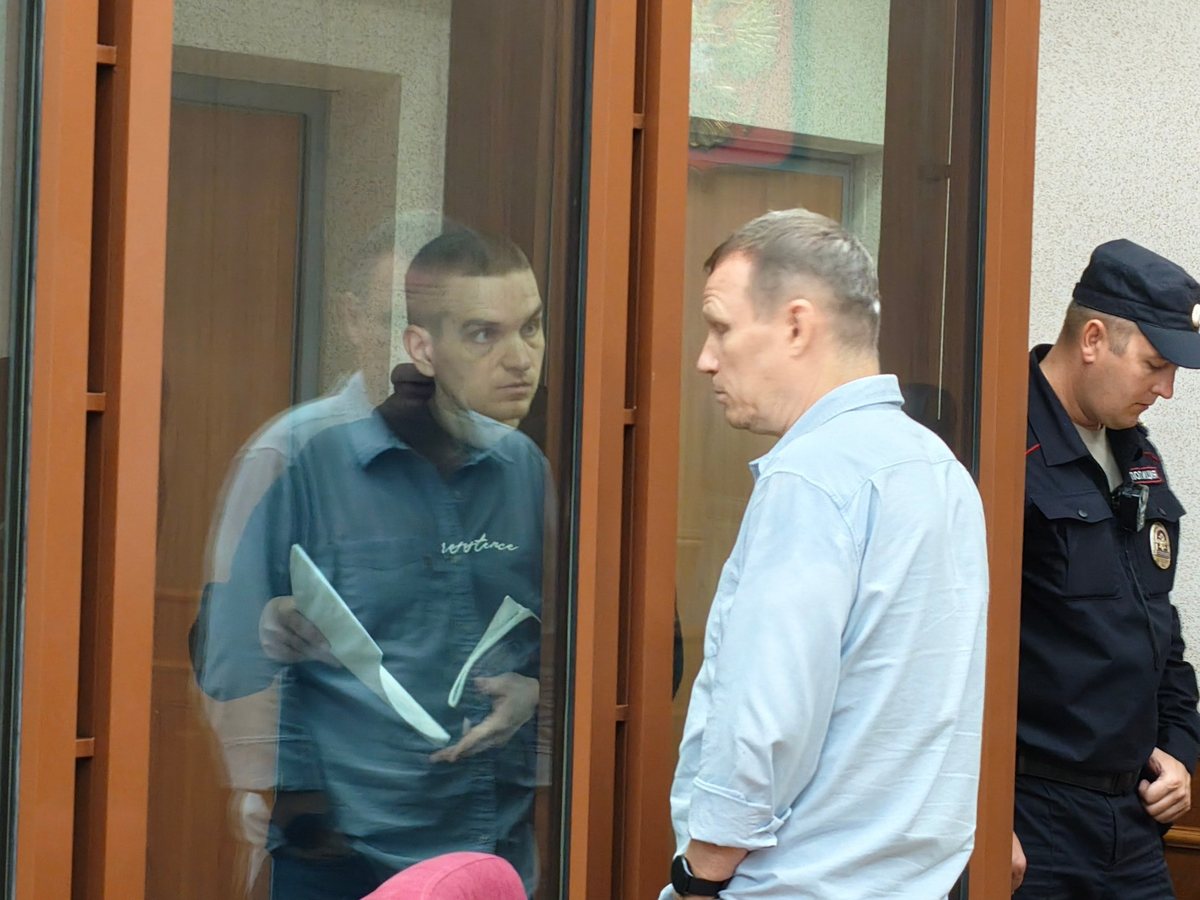
The decisive border crossing in Ivan Stolbov’s case came after the conduct at the centre of the prosecution had already begun. He was living in Ivano-Frankivsk, Ukraine, making small transfers to a Ukrainian organisation. In 2025 he travelled to Russia to visit his mother. He was detained at Yekaterinburg’s Koltsovo Airport and has now been sentenced to 13 years in a strict-regime penal colony for treason.
That sequence shows how Russia’s national-security system can reach citizens who have built their lives abroad. Stolbov, 34, was born in Sarapul and retained Russian citizenship, according to Mediazona’s report from the courtroom. He had no Russian registration and worked as a procurement manager in Ukraine before his arrest.
The Sverdlovsk Regional Court said the case involved 11 transfers made from May 2023 through October 2025, each worth approximately 100 Ukrainian hryvnias. The court put the aggregate value at 5,466.13 rubles.
Russian authorities say the recipient organisation later used funds to buy tactical medical supplies, equipment, ammunition, weapons-related items and military vehicles for Ukraine’s armed forces. The publicly available court statement gives that conclusion but not a detailed public accounting that links Stolbov’s individual payments to particular purchases.
The legal route is Article 275 of the Russian Criminal Code. It is a citizenship-based treason provision: the offence is defined as conduct by a Russian citizen, and financial assistance to a foreign state or organisation can qualify when authorities say the activity is directed against Russia’s security. The statutory punishment runs from 12 to 20 years, with life imprisonment also possible.
Stolbov received 13 years, plus one year of restricted freedom and a 300,000-ruble fine. His phone and 5,466.13 rubles were ordered confiscated. The ruling has a 15-day appeal period before taking legal effect if no challenge is filed.
The route from airport detention to treason prosecution was not straightforward in public records. Mediazona found that Stolbov was repeatedly held under administrative charges in July 2025. His mother and sister arrived to meet him after one expected release but did not see him leave. His lawyer later said he had been driven away from the detention facility itself.
The case fits a broader strategic shift in Russian internal security. Verstka has identified at least 1,904 defendants in treason, espionage and related cases since 2022, with 1,497 named. It found 65 Russian defendants accused over transfers benefiting Ukraine. Average treason sentences, by its calculation, rose to 16 years in the first half of 2026.
This enforcement model creates a network rather than a purely territorial risk. The relevant elements can be separated across countries: citizenship in Russia, residence in Ukraine, a digital payment to an organisation there and, later, a family visit that brings the person within physical reach of Russian authorities.
Stolbov can still challenge the judgment. But the broader consequence is already clear for people with Russian citizenship living abroad: acts carried out in another country may remain legally actionable in Russia, and a future trip back can turn that latent exposure into detention and prosecution.
62