
Valve Refuses to Cut Steam Frame Specs Despite Memory Shortage Price Rises
Valve has confirmed it will not reduce the specifications of its upcoming Steam Frame VR headset to offset rising component costs, prioritising product quality over a lower price point as the global memory shortage pushes hardware prices higher.
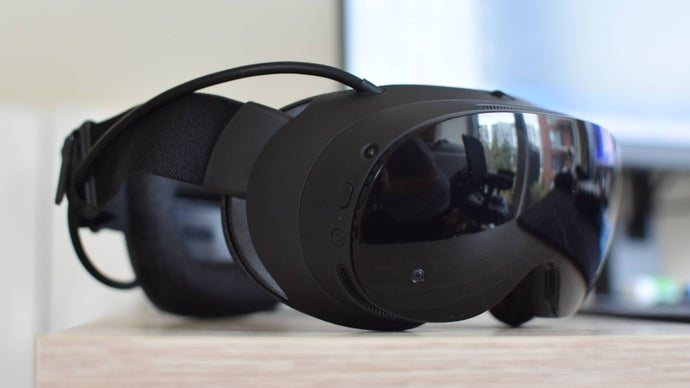
Valve has confirmed that it will not reduce the specifications of its forthcoming Steam Frame virtual reality headset in order to keep prices down, despite a global shortage of memory components that has forced up costs across the consumer electronics industry. The company told reporters that cutting the Frame's hardware capabilities was never considered, even as the component crisis took hold.
The Steam Frame, Valve's second in-house VR headset following the Index released in 2019, is a standalone-capable device that can also stream games from a PC. It features a boosted specification sheet compared with its predecessor, and is designed to function without being tethered to a computer. That standalone capability makes it as vulnerable to the rising cost of RAM and other parts as any laptop or desktop computer.
The memory shortage, sometimes referred to online as «RAMnarök», has had wide-ranging effects on hardware manufacturing and even game development. Some manufacturers have responded by raising prices, while others have reverted to lower-memory models or removed dedicated video memory altogether in an effort to keep costs down. Valve has taken a different approach, opting to maintain the Frame's intended specifications rather than compromise its performance.
The decision means the headset will launch at a higher price than originally anticipated. The base model is confirmed to start at £889, a figure that places it firmly in the premium segment of the VR market. Valve has acknowledged that the price is steep, but has stated that its goal is to «expand the market» for virtual reality headsets rather than simply cater to existing enthusiasts.
According to Valve, the Steam Frame addresses a fundamental and long-running problem with VR hardware: the trade-off between comfort, performance and the need to be tethered to a powerful PC. The headset is described as lightweight and comfortable, with a design that makes it a pleasure to use for PC-to-VR streaming. As a standalone device, however, early impressions suggest it may not yet be fully ready for mainstream adoption, with some reservations about its capabilities when untethered.
The pricing and specification decisions come at a time of significant uncertainty in the PC hardware market. The shortage of affordable components has affected everything from graphics cards to system memory, and the effects are being felt by both consumers and manufacturers. Valve's choice to absorb higher costs rather than dilute the product reflects a strategic bet that quality and experience will matter more to buyers than a lower entry price.
Sign-ups for the Steam Frame opened today, and the company has indicated that availability may be limited initially. The headset has been the subject of rumours for years and was officially unveiled ten months ago. Its launch marks Valve's most significant push into standalone VR since the original Index, and the company is positioning it as a device that can appeal beyond the existing niche of VR enthusiasts.
Whether that strategy succeeds will depend on how consumers respond to the £889 price tag in a market where affordable PC components remain scarce. For now, Valve appears willing to let the product speak for itself rather than compromise on the hardware that underpins it.